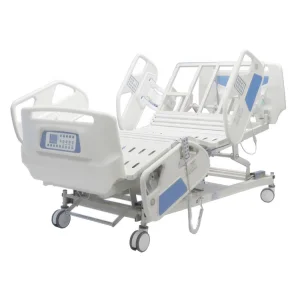
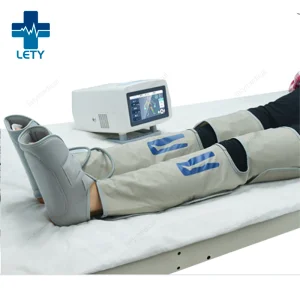
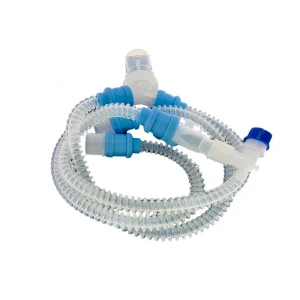
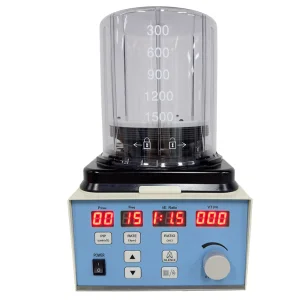
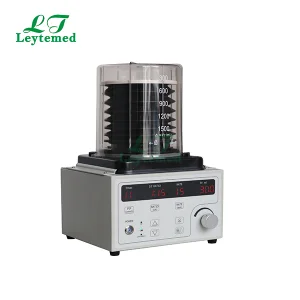
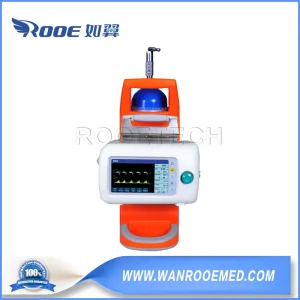
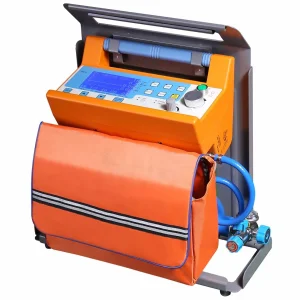
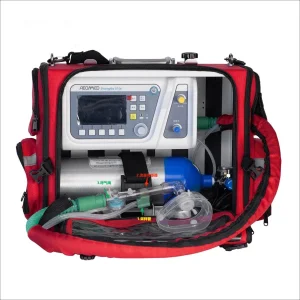
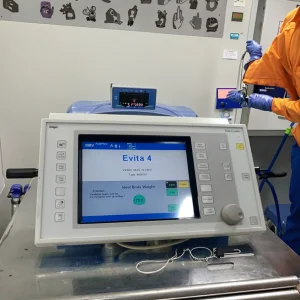
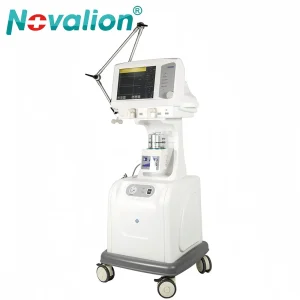
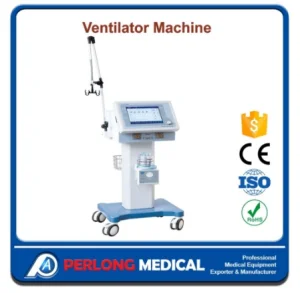
High-performance portable systems engineered for emergency and critical care.
Strategic Insights into Market Shifts and Technical Evolution
The global portable medical device market is undergoing a seismic shift, driven by the increasing decentralization of healthcare. As healthcare systems transition from hospital-centric models to "point-of-care" and home-based recovery, the demand for high-performance, compact, and energy-efficient respiratory devices has skyrocketed. Portable ventilators and monitoring systems are no longer just "emergency backups"; they are now the backbone of modern ICU extensions, ambulances, and remote clinics.
Information Gain: Unlike stationary ICU equipment, portable medical devices must balance complex clinical algorithms with rugged durability. The integration of Lithium-ion battery technology, high-frequency turbine flow, and wireless data transmission allows these devices to operate seamlessly during patient transport, ensuring "zero-interruption" care—a critical factor in reducing mortality rates during inter-hospital transfers.
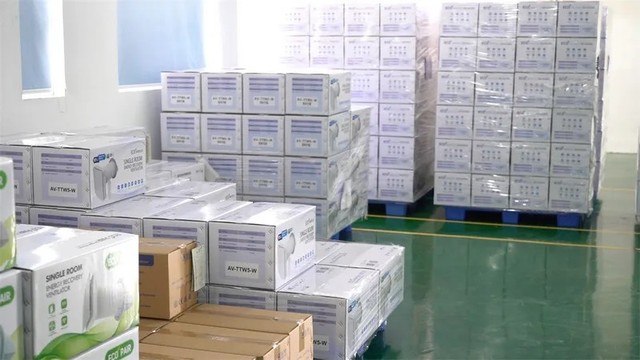
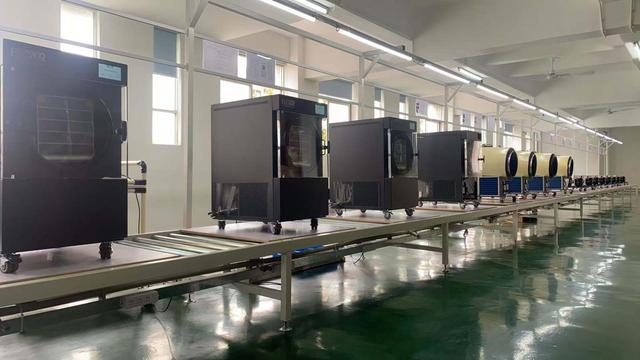
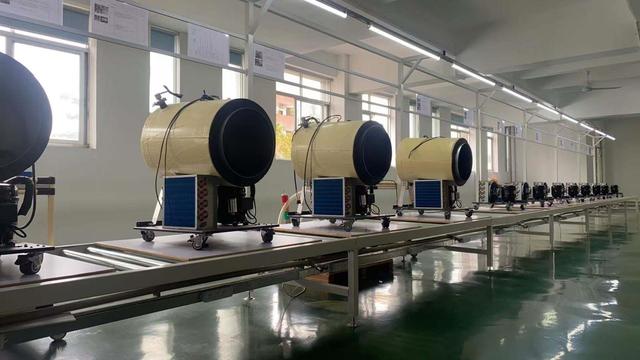
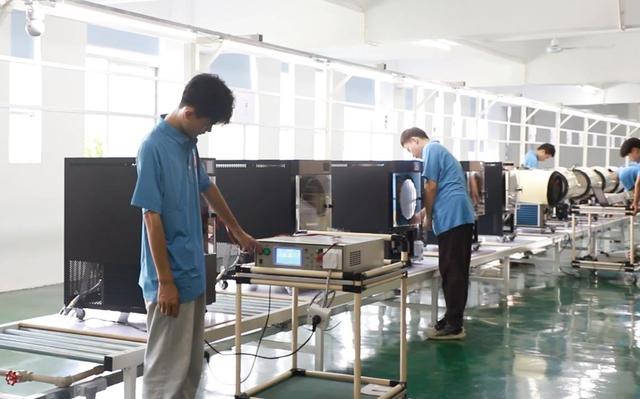
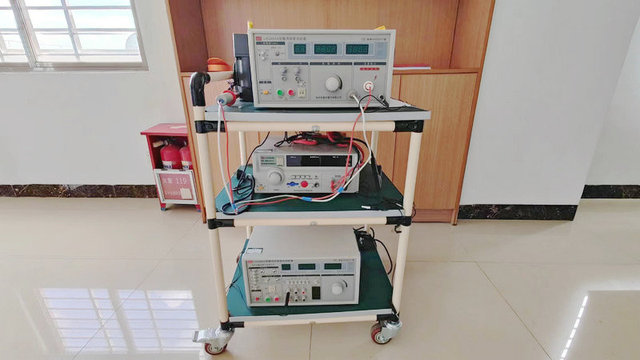
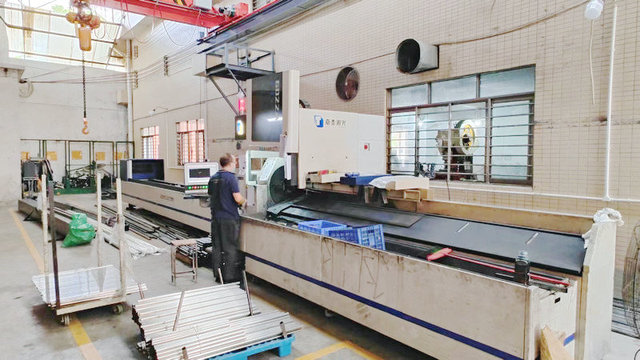
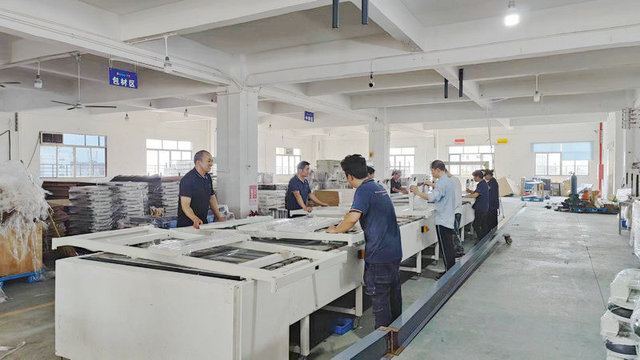
Established in 2015 in the heart of China's medical technology hub, Hangzhou QMS Medical Co., Ltd. has rapidly ascended as a premier manufacturer of ICU ventilators and emergency respiratory solutions. Operating from a 10,000 square meter state-of-the-art facility, the company integrates advanced R&D with precision manufacturing.
With a dedicated workforce of over 220 professionals, including senior biomedical engineers and quality assurance specialists, QMS Medical focuses on the entire lifecycle of medical devices—from fluid dynamics research to AI-driven patient monitoring integration.
"Our mission is to empower healthcare providers with reliable, cost-effective, and intelligent ventilation technology that saves lives in the most challenging environments."
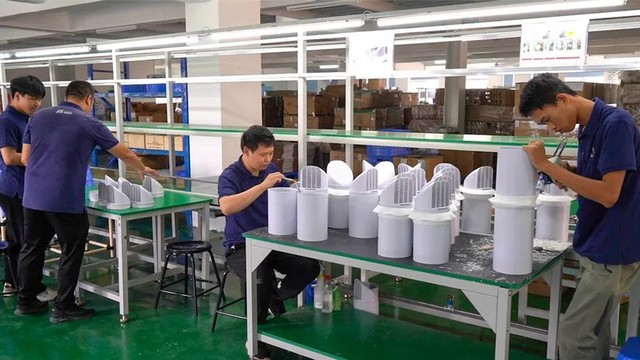

Efficiency, Ecosystem, and Rapid Iteration
China's "Medical Valley" ecosystems provide instant access to high-precision sensors, micro-compressors, and medical-grade plastics, reducing lead times by 40% compared to Western counterparts.
Factories like QMS Medical leverage "Agile Manufacturing," allowing for rapid prototyping and firmware updates to meet evolving clinical protocols in real-time.
Leading Chinese exporters maintain strict adherence to CE, ISO 13485, and FDA guidelines, ensuring seamless entry into North American, European, and Asian markets.
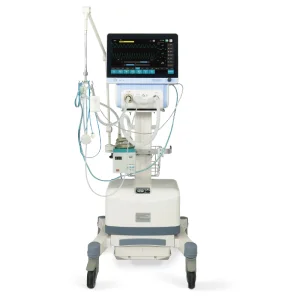
In high-traffic urban areas, portable ventilators like the AV-2020 provide critical life support during transit, featuring vibration-resistant designs and long battery life.
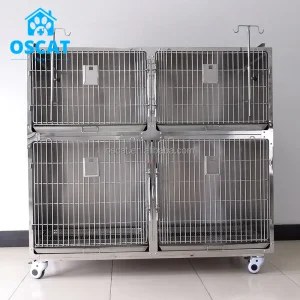
Modern clinics now use dedicated units like the OSCAT Veterinary ICU, which includes specific CO2 detection tailored for animal physiology.
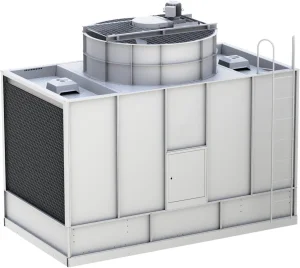
High-risk industrial environments require Industrial Cooler Equipment and air filtration systems to maintain worker health and prevent heat-related trauma.
Ensuring clinical excellence through advanced hardware and intelligent design.
 QMS Medical