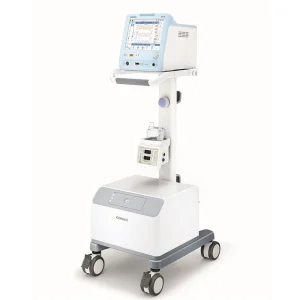
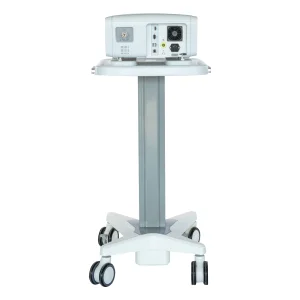
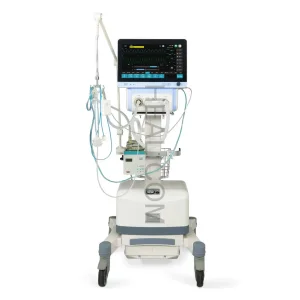
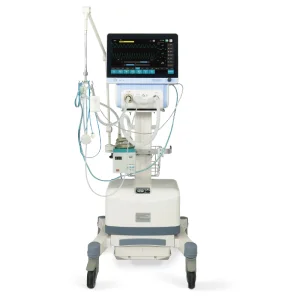
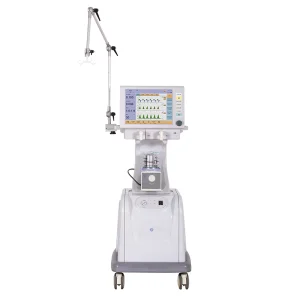
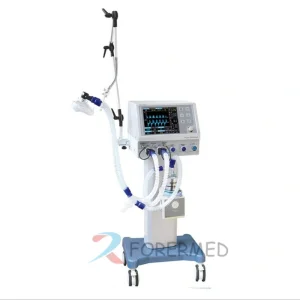
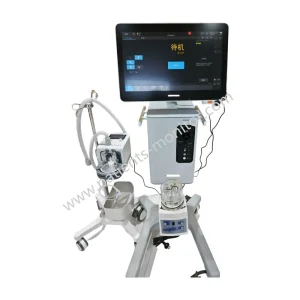
In the high-stakes environment of Neonatal Intensive Care Units (NICU) and adult ICUs, the demand for precision respiratory support has never been greater. High-Frequency Oscillatory Ventilation (HFOV) and High-Frequency Jet Ventilation (HFJV) represent the pinnacle of lung-protective strategies, offering a lifeline to patients who fail conventional mechanical ventilation. As a leading High Frequency Ventilator Factory & Exporter, Hangzhou QMS Medical Co., Ltd. is at the forefront of this technological revolution.
High-frequency ventilators operate on a fundamentally different physiological principle than traditional ventilators. By delivering tidal volumes smaller than the dead space at frequencies ranging from 3 to 15 Hz, these devices maintain constant mean airway pressure, promoting alveolar recruitment while minimizing the risk of ventilator-induced lung injury (VILI). This "lung-protective" approach is critical for neonates with Respiratory Distress Syndrome (RDS) and adults with Acute Respiratory Distress Syndrome (ARDS).
Hangzhou QMS Medical Co., Ltd. is a professional manufacturer specializing in medical ventilators, ICU ventilation systems, and respiratory care equipment for healthcare institutions worldwide. Established in 2015, the company is located in Hangzhou, China, a city recognized for its strong medical technology and advanced manufacturing industries.
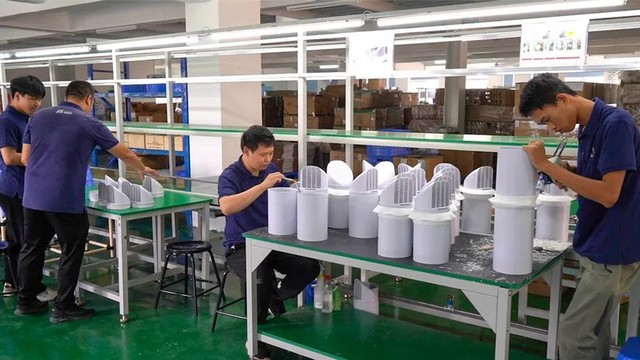
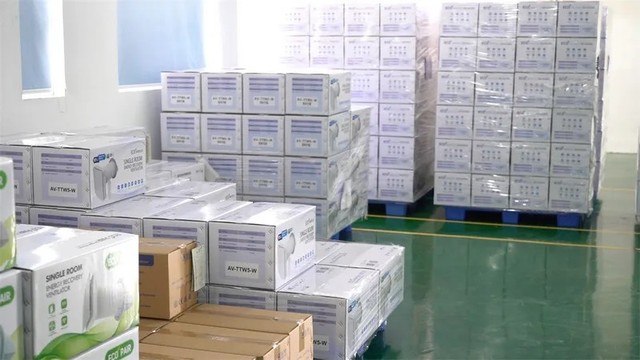
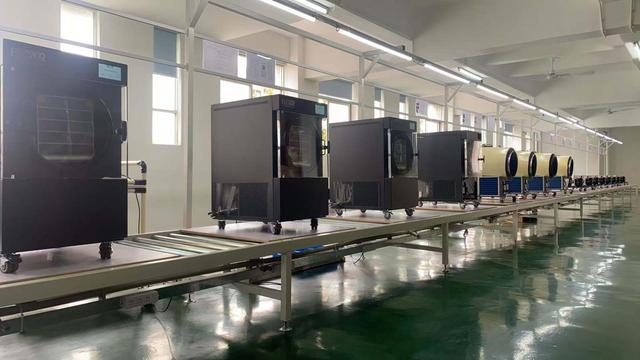
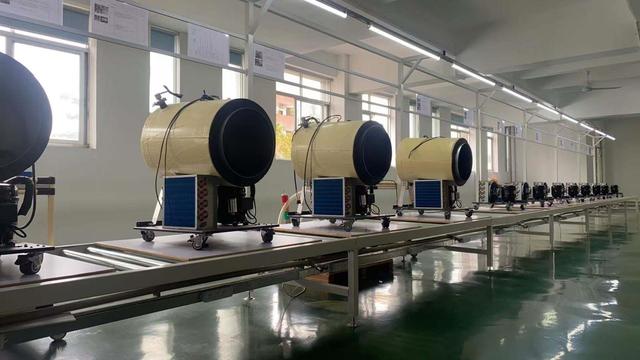
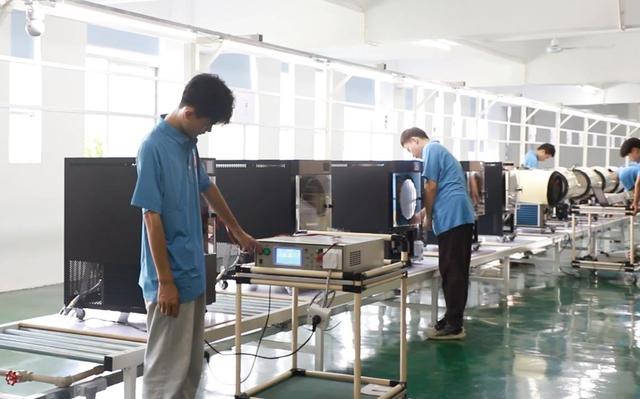
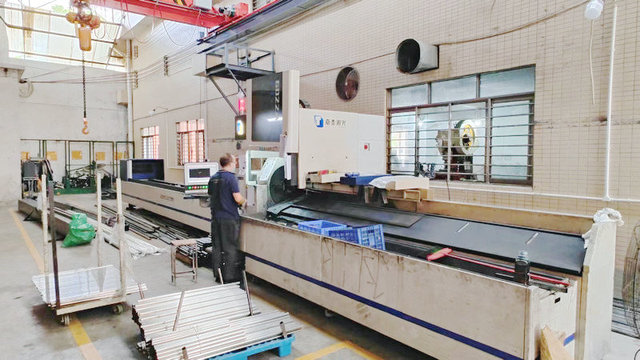
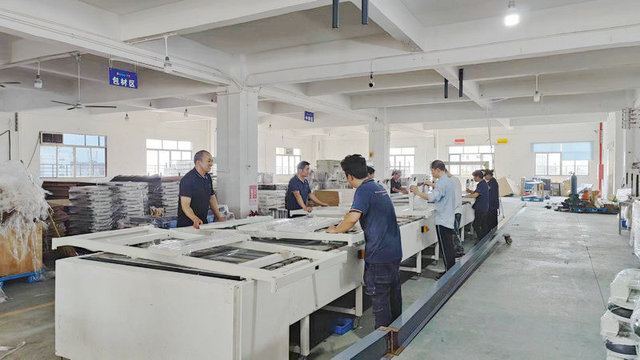
The company operates a modern production facility covering approximately 10,000 square meters and employs more than 220 skilled professionals, including engineers, technicians, and quality management specialists. QMS Medical focuses on the research, development, production, and supply of respiratory support technologies designed for hospitals, intensive care units, emergency departments, ambulance services, and home healthcare applications.
Our commitment to E-E-A-T (Experience, Expertise, Authoritativeness, and Trustworthiness) is reflected in every device we manufacture. By integrating cutting-edge sensor technology with robust pneumatic systems, we ensure that our ventilators provide consistent, reliable performance in the most demanding clinical scenarios.
Modern ventilation is shifting toward automated, AI-driven algorithms that adjust frequency and amplitude in real-time based on lung compliance and resistance. This reduces the cognitive load on clinicians and personalizes patient care.
The integration of IoT allows ICU ventilators to transmit data to centralized dashboards, enabling senior pulmonologists to consult on cases remotely—a crucial feature for hospitals in emerging markets.
There is a growing demand for "high-frequency performance in a portable package." Our R&D focuses on battery-efficient, lightweight systems for air-ambulance and intra-hospital transport.
International hospital groups and health ministries look for specific criteria when selecting a High Frequency Ventilator Exporter:
Hangzhou QMS Medical addresses these needs through our tailored OEM/ODM services and dedicated global support network, serving Europe, North America, Asia, the Middle East, and Latin America.
Implementing SpO2-FiO2 closed-loop control to automatically maintain target saturation levels, particularly in preterm infants to prevent retinopathy.
Developing interfaces that allow high-frequency oscillation via nasal prongs, reducing the need for invasive intubation and its associated risks.
Utilizing machine learning to predict patient weaning readiness and potential complications before they manifest clinically.
Our solutions extend beyond the device itself. We provide comprehensive respiratory care ecosystems:
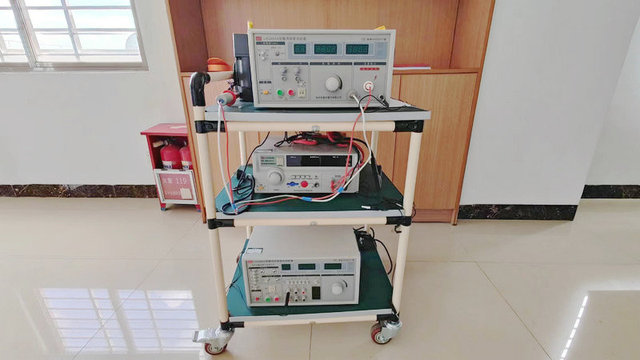
We implement comprehensive quality management procedures throughout product design, component sourcing, assembly, testing, and final inspection. Our global exporters ensure that local technical teams are equipped with calibration tools and spare parts to minimize device downtime.
Navigating the complex landscape of medical device regulations is our forte. We assist our partners with registration documentation, ensuring that every ventilator meets the stringent safety standards of the destination country.

 QMS Medical