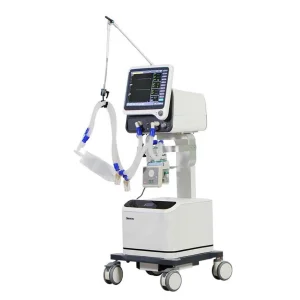
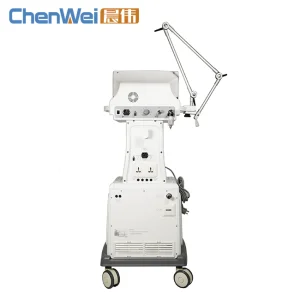
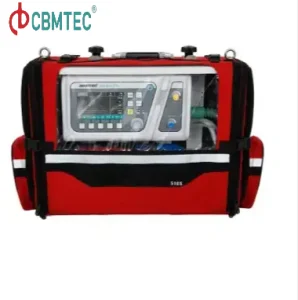
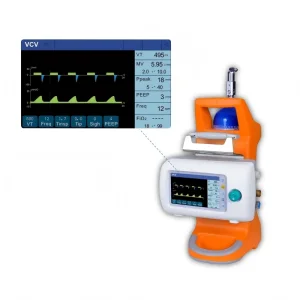
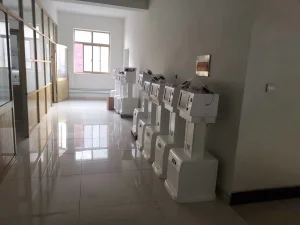
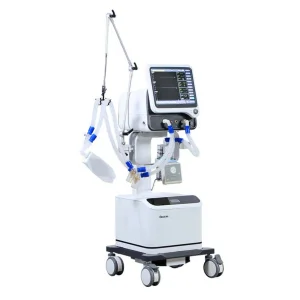
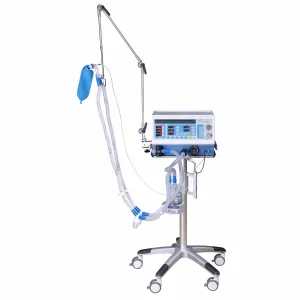
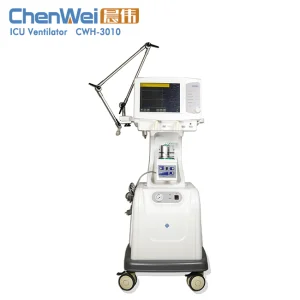
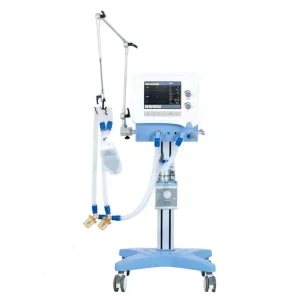
Hangzhou QMS Medical Co., Ltd. is a professional manufacturer specializing in medical ventilators, ICU ventilation systems, and respiratory care equipment for healthcare institutions worldwide. Established in 2015, the company is located in Hangzhou, China, a city recognized for its strong medical technology and advanced manufacturing industries.
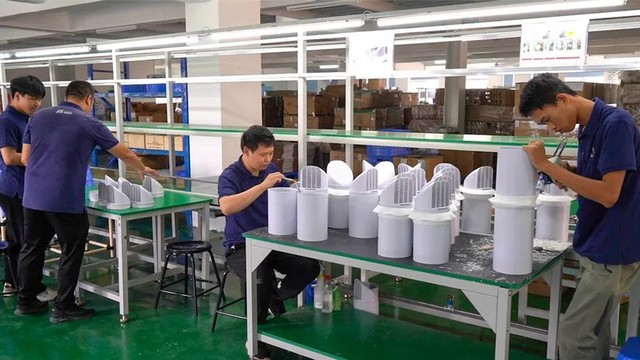
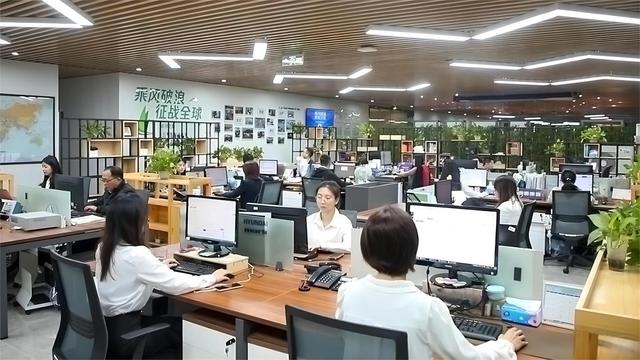
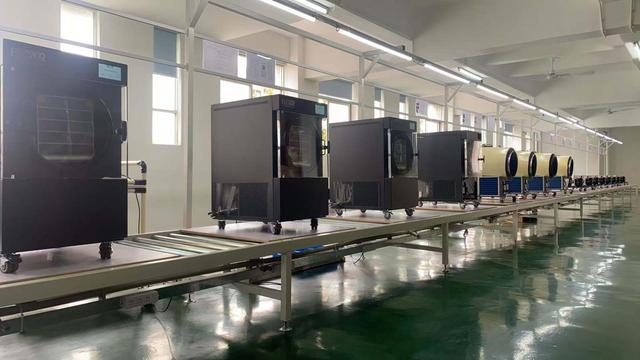
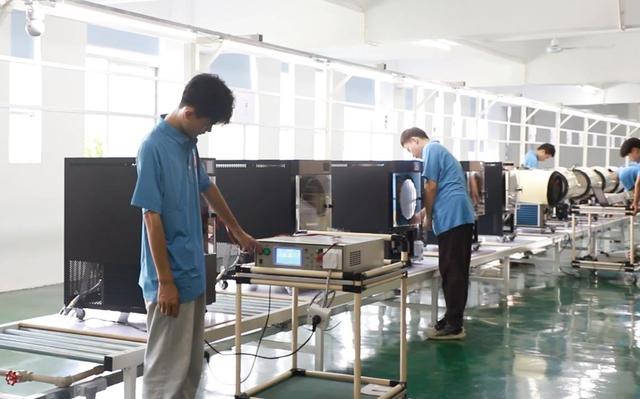
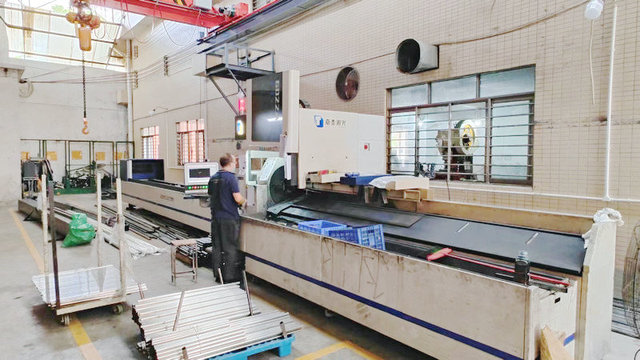
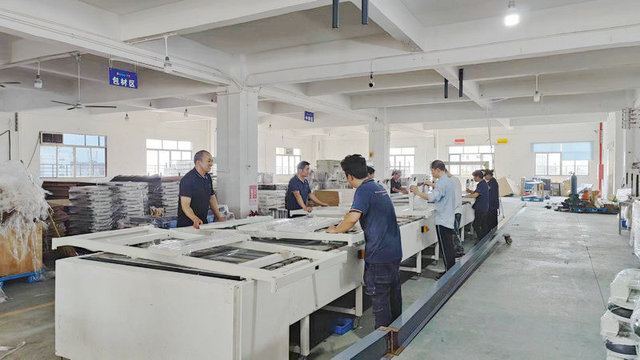
The company operates a modern production facility covering approximately 10,000 square meters and employs more than 220 skilled professionals, including engineers, technicians, and quality management specialists. QMS Medical focuses on the research, development, production, and supply of respiratory support technologies designed for hospitals, intensive care units, emergency departments, ambulance services, and home healthcare applications.
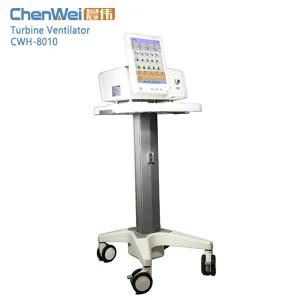
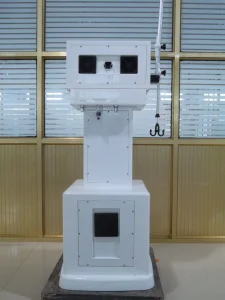
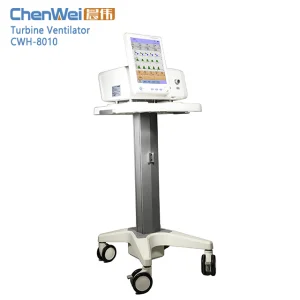
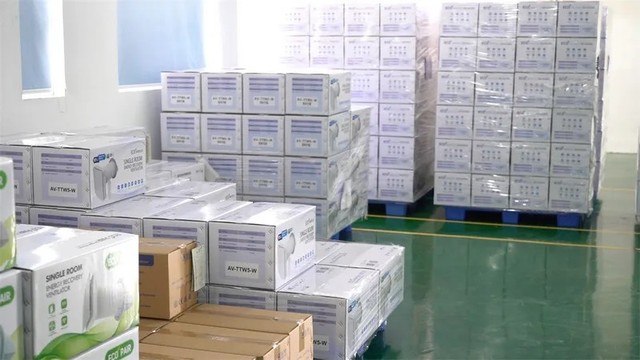
Serving customers across Europe, North America, Asia, the Middle East, Africa, and Latin America, Hangzhou QMS Medical Co., Ltd. provides flexible OEM and ODM manufacturing services. Its product portfolio includes ICU ventilators, portable ventilators, transport ventilators, emergency respiratory support systems, and non-invasive ventilation devices.
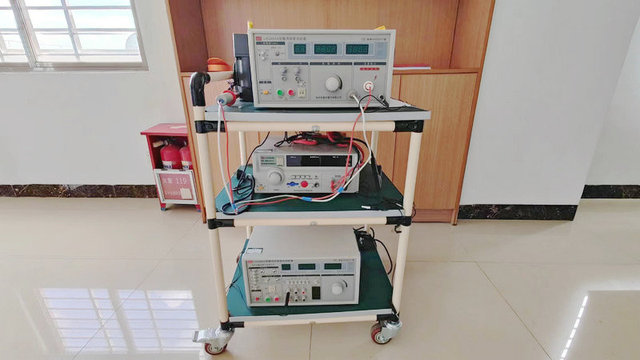
Supported by a dedicated R&D team, QMS Medical implements comprehensive quality management procedures throughout product design, component sourcing, assembly, testing, and final inspection. The company is committed to delivering respiratory care solutions that support healthcare professionals in managing critical and long-term respiratory conditions.
SQM Factory Area
Professional Staff
Year Established
Global Regions Served
In the wake of global health challenges, the demand for critical care ventilators has transitioned from a standard hospital requirement to a strategic national asset. The global market is currently witnessing a paradigm shift where technological integration—such as AI-driven weaning protocols and remote monitoring—is becoming the baseline for modern "Manufacturer" standards.
China has emerged as a global hub for medical device manufacturing, not just due to cost-effectiveness, but because of supply chain vertical integration. Manufacturers in Hangzhou, like QMS Medical, benefit from a local ecosystem of precision component suppliers, from high-speed turbine sensors to medical-grade biocompatible plastics.
This proximity allows for rapid prototyping and iterative R&D, shortening the "Design-to-Delivery" cycle by up to 40% compared to traditional Western manufacturing hubs. For global procurement officers, this translates to higher availability and faster adaptation to new clinical guidelines.
The industry is moving toward Intelligent Ventilation. Modern critical care ventilators are no longer passive air-delivery machines. They are now diagnostic hubs. Key trends include:
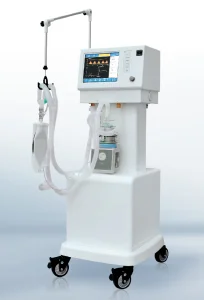
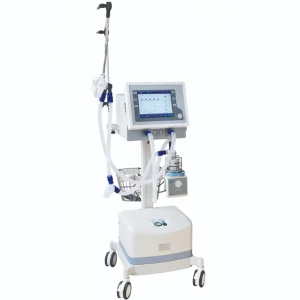
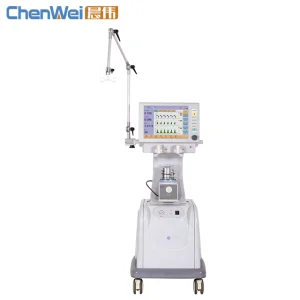
In high-acuity environments, ventilators must offer comprehensive invasive modes (VCV, PCV, SIMV) and precise PEEP control to manage ARDS and multi-organ failure. Our "Advanced ICU Ventilators" provide the high-dynamic response required for these scenarios.
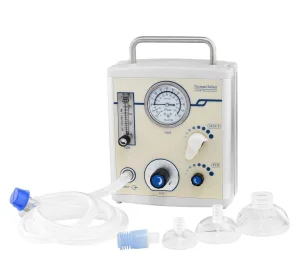
Ambulances and air-medevac teams require lightweight, shock-resistant portable ventilators. These devices must maintain stable tidal volumes despite the vibrations and pressure changes inherent in mobile emergency care.
Durability and internal battery life are critical. Manufacturers are now designing ventilators with "ruggedized" casings and internal air compressors to function in environments without stable wall-oxygen or power supplies.
 QMS Medical