In the modern medical era, the intensive care ventilator has evolved from a simple mechanical bellows to a sophisticated, AI-driven life support system. As a leading intensive care ventilator supplier, we recognize that the global demand for respiratory care is no longer just about volume; it is about precision, adaptability, and integration. The industry is currently witnessing a paradigm shift where "Lung-Protective Ventilation (LPV)" and "Patient-Ventilator Synchrony" have become the gold standards of clinical efficacy.
The global market for intensive care ventilators is projected to reach unprecedented heights as healthcare infrastructures in emerging economies undergo massive upgrades. High-acuity environments in North America and Europe are focusing on closed-loop control systems, which automatically adjust ventilation parameters based on real-time patient feedback. Meanwhile, in regions like Southeast Asia and Latin America, the focus is on high-durability, cost-effective turbine-driven ventilators that can operate reliably even in areas with unstable pressurized air supplies.
Hangzhou QMS Medical Co., Ltd. is a professional manufacturer specializing in medical ventilators, ICU ventilation systems, and respiratory care equipment for healthcare institutions worldwide. Established in 2015, the company is located in Hangzhou, China, a city recognized for its strong medical technology and advanced manufacturing industries.
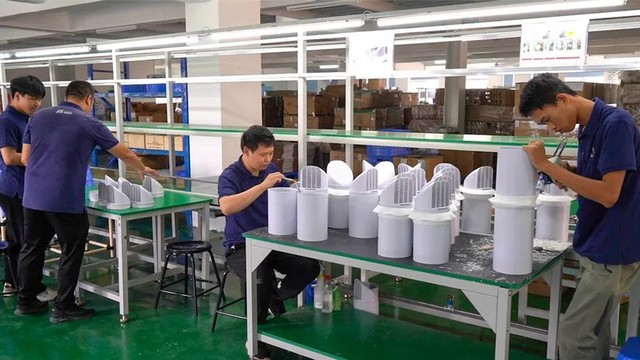
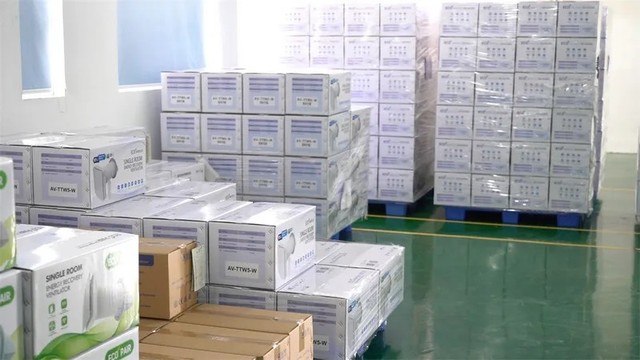
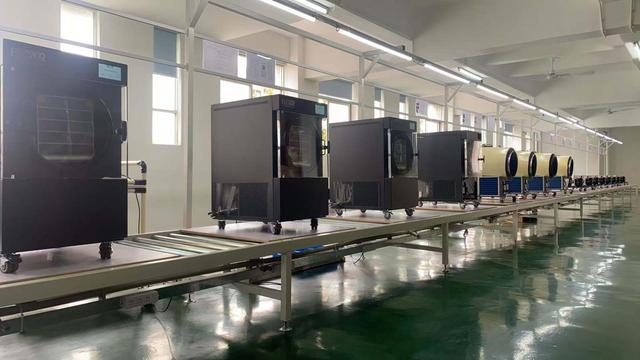
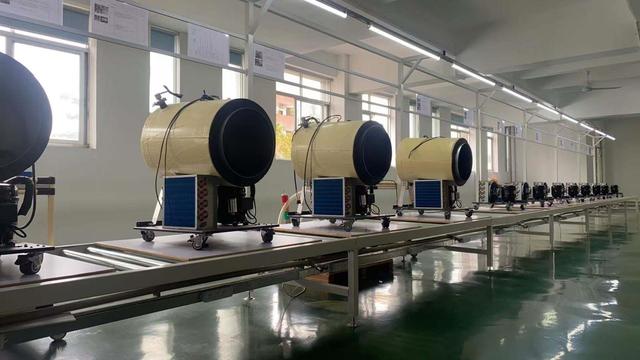
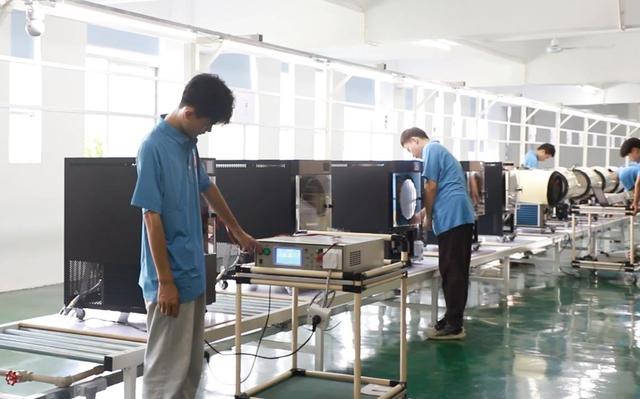
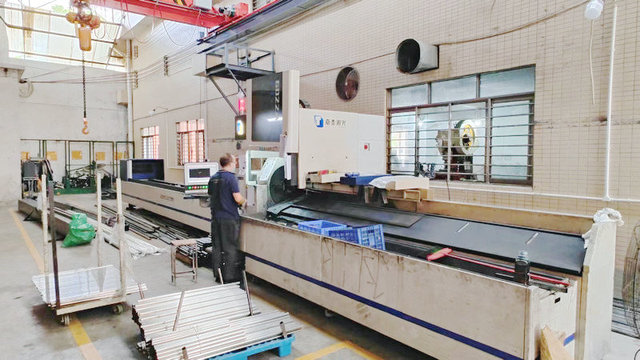
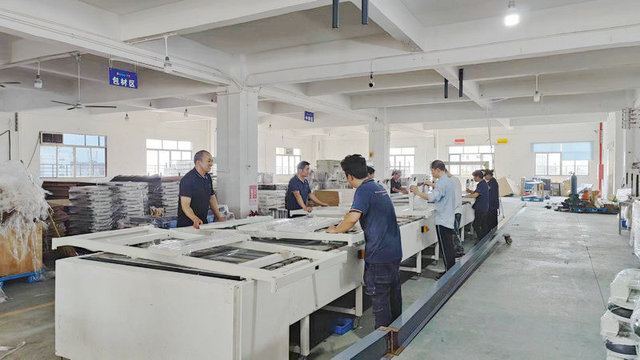
The company operates a modern production facility covering approximately 10,000 square meters and employs more than 220 skilled professionals, including engineers, technicians, and quality management specialists. QMS Medical focuses on the research, development, production, and supply of respiratory support technologies designed for hospitals, intensive care units, emergency departments, ambulance services, and home healthcare applications.
Its product portfolio includes ICU ventilators, portable ventilators, transport ventilators, emergency respiratory support systems, non-invasive ventilation devices, and intelligent patient monitoring integration solutions. The company continuously invests in product innovation and engineering development to improve ventilation performance, operational reliability, and clinical usability across diverse healthcare environments.
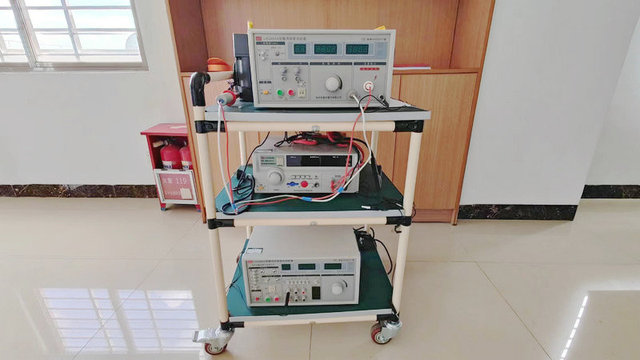
Supported by a dedicated R&D team and advanced manufacturing capabilities, QMS Medical implements comprehensive quality management procedures throughout product design, component sourcing, assembly, testing, and final inspection. The company is committed to delivering respiratory care solutions that support healthcare professionals in managing critical and long-term respiratory conditions.
China has transitioned from a high-volume manufacturer to a high-tech innovation hub in the medical device sector. At Hangzhou QMS Medical, we leverage the unique advantages of the Hangzhou "Smart Manufacturing" cluster to provide information gain to our procurement partners.
Our proximity to the world’s leading sensor and micro-pump manufacturers allows us to shorten the R&D cycle by 40% compared to Western counterparts, enabling faster deployment of new ventilation modes.
With a 10,000sqm facility, we utilize vertically integrated supply chains, ensuring that every valve, turbine, and software algorithm is optimized for cost-efficiency without compromising medical safety.
Our products undergo rigorous testing according to CE and ISO 13485 standards. We ensure every unit leaving the factory meets the highest safety requirements for life-critical equipment.
Next-generation ventilators are integrating machine learning algorithms to predict patient "asynchrony" before it occurs. As a forward-thinking intensive care ventilator supplier, our R&D focuses on weaning protocols that use AI to analyze historical data, significantly reducing the duration of mechanical ventilation.
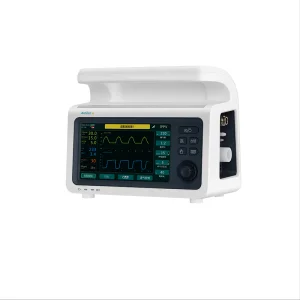
The boundary between "Transport" and "ICU" ventilators is blurring. Devices like our Amoul T5 offer ICU-grade performance (including high-flow oxygen therapy and capnography) in a rugged, portable form factor suitable for air ambulances and disaster relief.
In the post-pandemic world, remote monitoring has become essential. Modern ICU systems now feature 5G/Wi-Fi connectivity, allowing senior consultants to review ventilation waveforms and adjust settings from a central command center, enhancing the efficiency of the entire hospital ecosystem.
A "one size fits all" approach does not work in critical care. We categorize our solutions into specific operational environments:
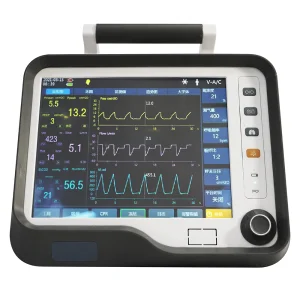
High-complexity units capable of Invasive (IV) and Non-Invasive (NIV) ventilation with advanced monitoring (ETCO2, P0.1, RSBI).
Lightweight, battery-powered systems with anti-vibration technology for ambulances and helicopters.
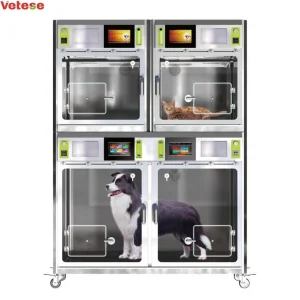
Specialized ventilation for small and large animals, featuring ultra-low tidal volume settings (down to 2ml) for pediatric or small-pet use.
Procuring medical ventilators involves more than just selecting a model. It requires a deep understanding of total cost of ownership (TCO). Professional buyers from Europe, the Middle East, and the Americas now prioritize:

 QMS Medical