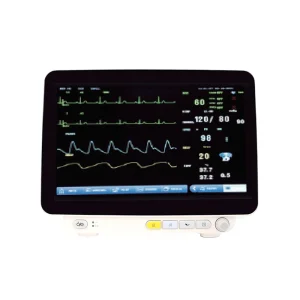
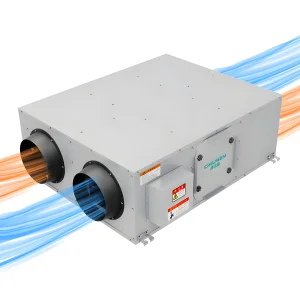
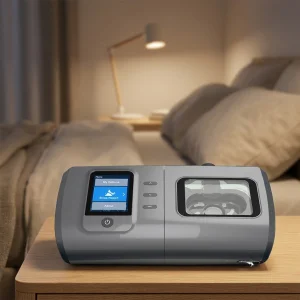
In the rapidly shifting landscape of global medicine, the transport healthcare sector has emerged as the critical link between emergency response and clinical stabilization. As healthcare systems globally grapple with increasing patient acuity and the need for seamless care transitions, the demand for sophisticated, mobile respiratory and monitoring solutions has reached an all-time high.
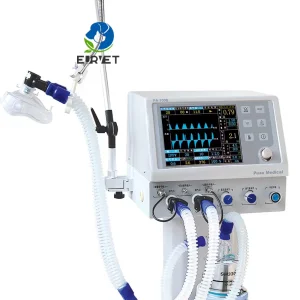
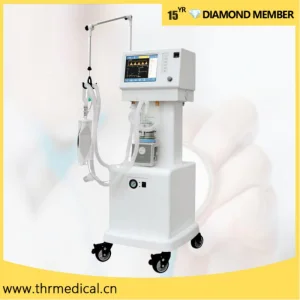
Ventilators are now data hubs, transmitting patient vitals directly to hospital EHR systems before the ambulance arrives.
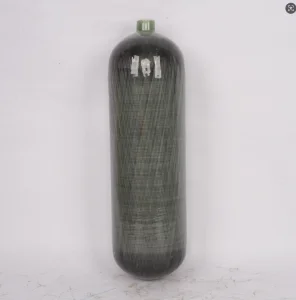
New carbon-fiber oxygen cylinders and high-density lithium-ion batteries allow for longer transport durations across remote areas.
Automated lung-protective ventilation modes adjust in real-time to patient resistance and compliance, reducing clinician workload.
Hangzhou QMS Medical Co., Ltd. is a professional manufacturer specializing in medical ventilators, ICU ventilation systems, and respiratory care equipment for healthcare institutions worldwide. Established in 2015, the company is located in Hangzhou, China, a city recognized for its strong medical technology and advanced manufacturing industries.
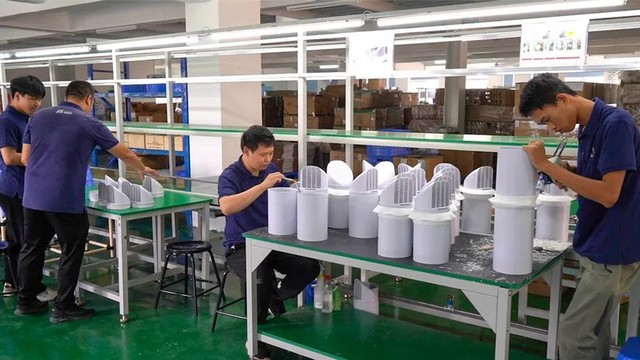
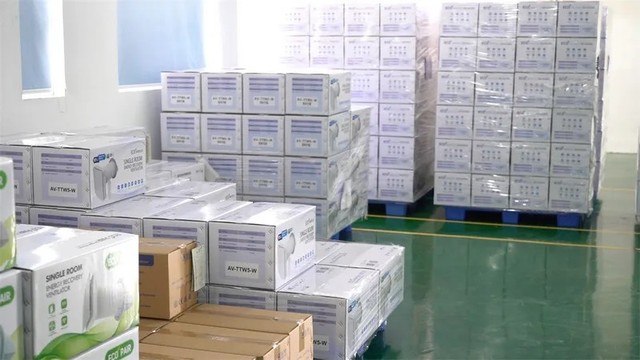
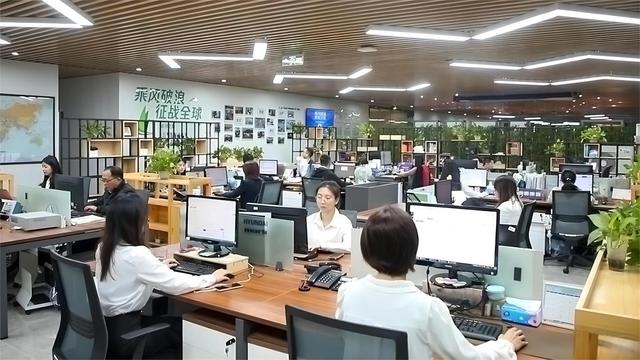
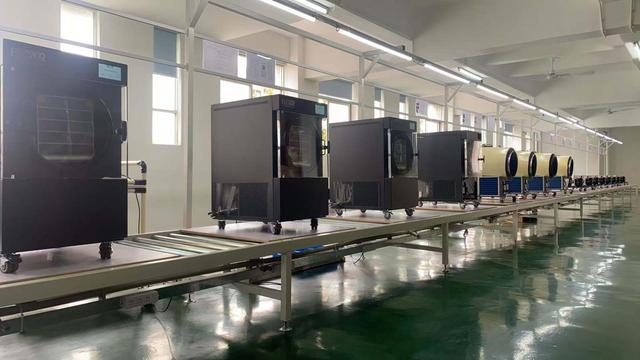
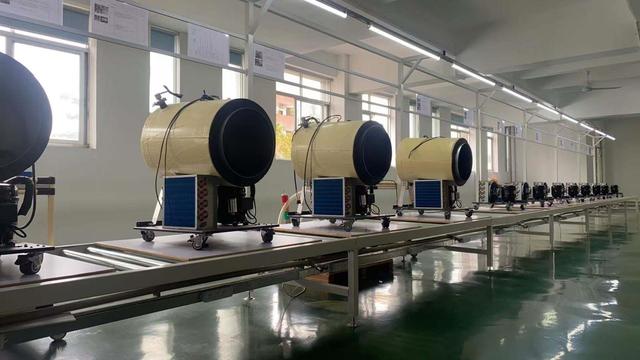
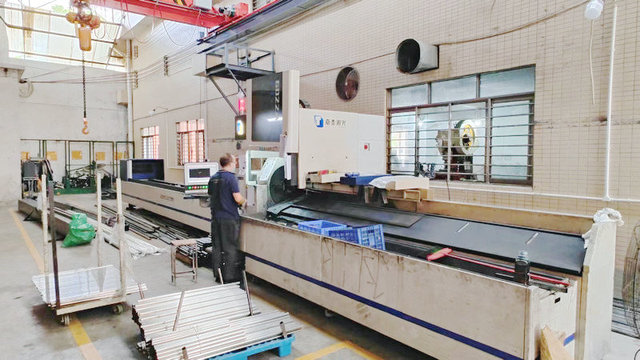
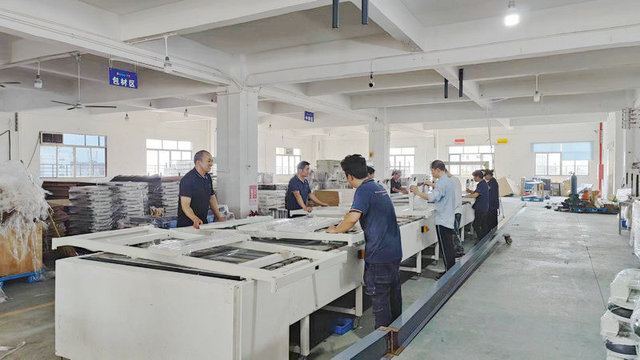
The company operates a modern production facility employing engineers, technicians, and quality management specialists. QMS Medical focuses on the research, development, production, and supply of respiratory support technologies designed for hospitals, intensive care units, emergency departments, ambulance services, and home healthcare applications.
The global healthcare procurement landscape has undergone a paradigm shift. Buyers are no longer just looking for the lowest price; they are seeking supply chain resilience and manufacturing transparency. Hangzhou's medical technology cluster, led by innovators like QMS Medical, embodies the "Factory 4.0" philosophy.
Strategic component sourcing ensures that every sensor and turbine in an ICU ventilator meets rigorous international standards, reducing the risk of mid-life failure.
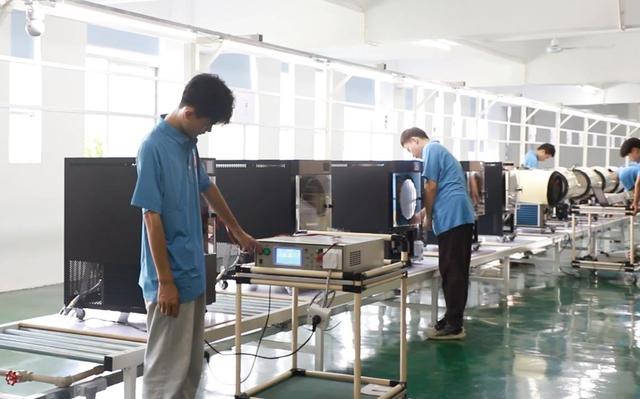
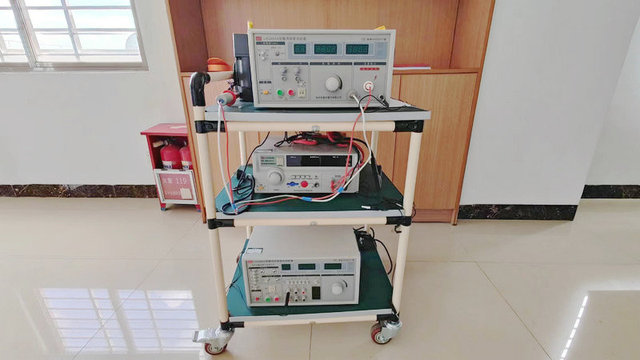
Integrated testing rigs simulate 24/7 ICU environments to ensure reliability before any unit leaves the assembly line.
From custom language interfaces to specific mounting solutions for military or civilian ambulances, Chinese manufacturing agility provides a significant competitive edge.
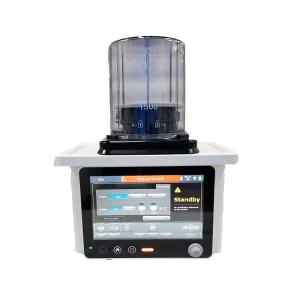
Currently, the transport healthcare market is seeing a surge in dual-use technologies. Equipment designed for neonatal ICU care is being adapted for high-risk transport, while veterinary clinics are adopting human-grade anesthesia technology for advanced pet surgery—a trend clearly reflected in our product portfolio.
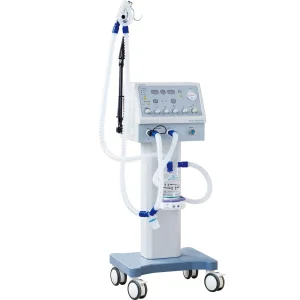
Seamless transition from wall-mounted gas supplies to transport cylinders for intra-hospital transfers (e.g., to CT or MRI suites) without interrupting ventilation cycles.
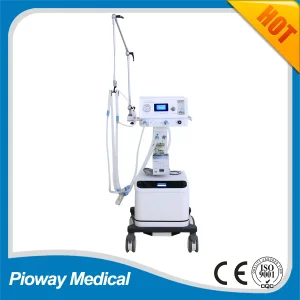
Ruggedized ventilators with shock-absorption frames designed for high-speed ambulance transport and helicopter medevac operations.
Precision anesthesia for exotic animals and large livestock where standard human ventilators may lack the necessary volume range or pressure sensitivity.
Our products are manufactured under strict ISO 13485 standards, with many lines carrying CE and international regulatory approvals for global distribution.
Yes, we provide comprehensive technical documentation, video tutorials, and remote training sessions to ensure clinicians are proficient in operating our advanced ICU systems.
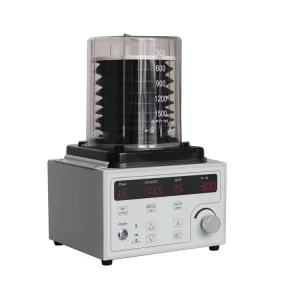
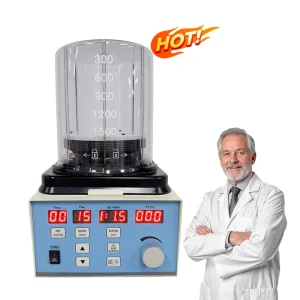
Specifically designed models like the THR-AV-2000B3 are engineered with the sensitivity required for neonatal and pediatric lung protection.
Due to our 10,000 sqm facility and optimized supply chain, standard orders are typically fulfilled within 4-6 weeks, depending on customization requirements.
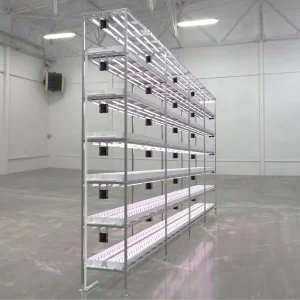
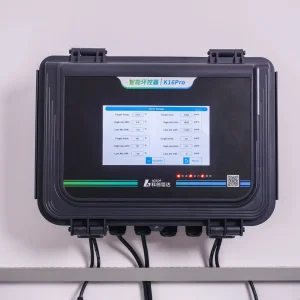
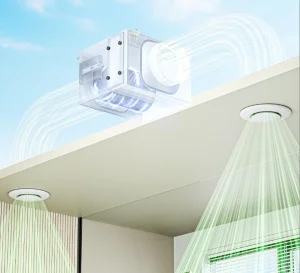
As we look toward 2030, the boundaries between different medical fields—human emergency care, veterinary surgery, and even agricultural environment control—are blurring through the use of Smart Sensors and Integrated Control Systems. Hangzhou QMS Medical remains at the forefront of this convergence, providing the respiratory and monitoring "lungs" of modern healthcare infrastructure.
Our commitment to continuous investment in R&D ensures that every hospital, clinic, and ambulance equipped with QMS technology is prepared for the challenges of tomorrow’s clinical environment.
 QMS Medical