Explore the primary equipment segment engineered to optimize clinical environments, intensive care units, and industrial setups requiring precise pressure regulation.
Analyzing the global dynamics driving demand for continuous positive airway pressure (CPAP) and non-invasive ventilation (NIV) systems across institutional and home-care settings.
Continuous Positive Airway Solutions have transitioned from specialized sleep laboratories into primary emergency departments, critical care wards, and long-term sub-acute care ecosystems. Globally, the rise in chronic obstructive pulmonary diseases (COPD), obstructive sleep apnea (OSA), and cardiovascular-linked respiratory failures has made positive pressure therapy a cornerstone of non-invasive clinical intervention.
Industrialization has fueled manufacturing scaling. Today's market demands more than standalone ventilators; it requires integrated systems featuring high-performance blowers, real-time pressure transducers, and responsive humidification chambers. These components must operate in perfect unison to deliver precise pressure waveforms while ensuring patient safety and comfort.
Export requirements demand rigorous compliance with multiple regulatory frameworks including FDA 510(k), CE MDR, and NMPA approvals. Exporters must maintain traceablity for all critical medical components, ensuring that sensor arrays and mechanical valves maintain calibration across varied environments.
Advanced production facilities utilize computerized artificial lung simulation test stations to benchmark flow-volume loops against diverse patient load scenarios before batch release.
A structural overview of the technological advancements defining the next generation of respiratory support devices and ICU monitoring platforms.
Modern CPAP and auto-CPAP systems are shifting from fixed pressure settings to adaptive algorithms that analyze airway resistance on a breath-by-breath basis. Dynamic tidal volume compensation ensures comfort while reducing the likelihood of hypopnea episodes.
Exported respiratory devices increasingly feature embedded Wi-Fi, Bluetooth, and cellular modules. This connectivity facilitates compliance reporting, enabling sleep specialists and clinical managers to modify device profiles remotely via secure cloud architectures.
Advanced ventilators incorporate high-speed differential pressure sensors and thermistor-based flow meters. These sensors work together to accurately monitor minute ventilation, leakage, and gas temperature, enabling rapid adjustments to patient interfaces.
A deep dive into the corporate infrastructure, R&D priorities, and global supply footprint of an industry leader in clinical respiratory systems.
Hangzhou QMS Medical Co., Ltd. is a professional manufacturer specializing in medical ventilators, ICU ventilation systems, and respiratory care equipment for healthcare institutions worldwide. Established in 2015, the company is located in Hangzhou, China, a city recognized for its strong medical technology and advanced manufacturing industries.
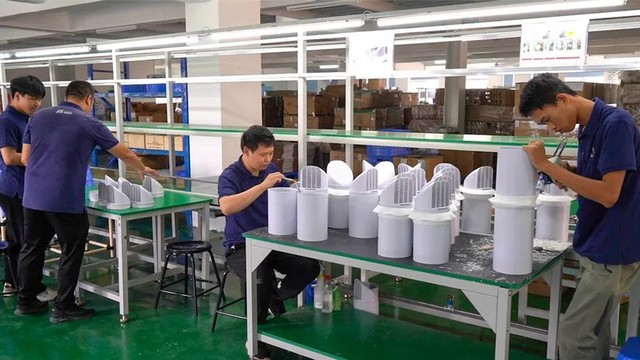
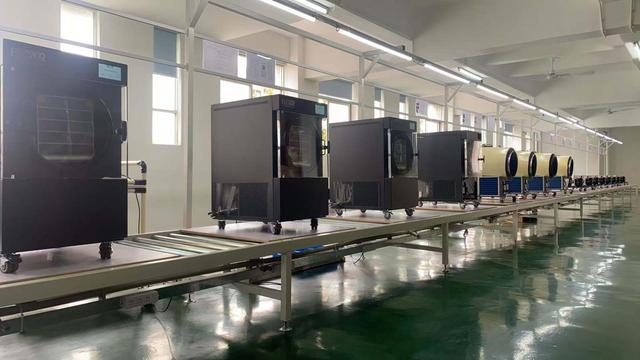
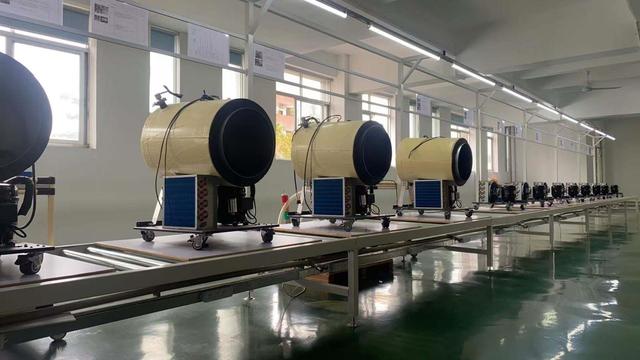
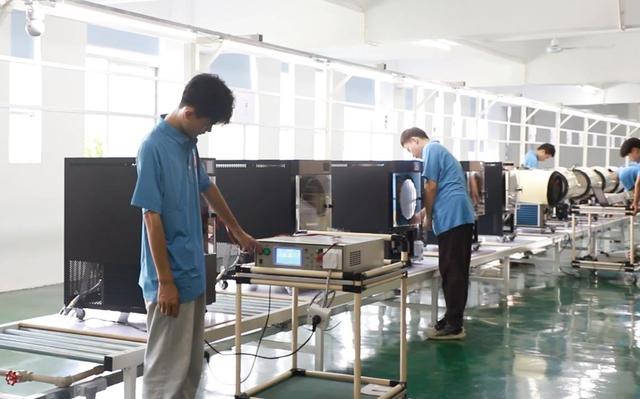
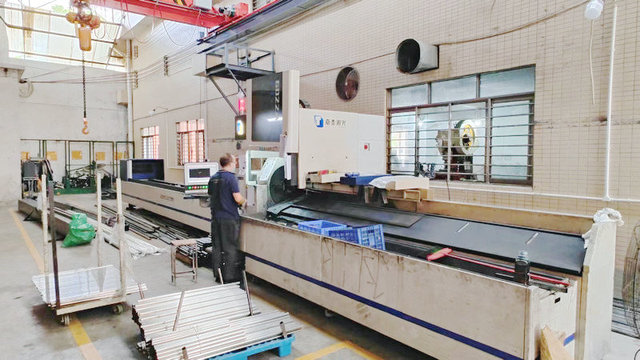
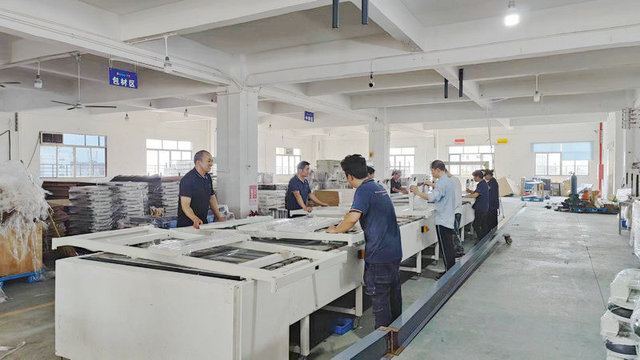
The company operates a modern production facility covering approximately 10,000 square meters and employs more than 220 skilled professionals, including engineers, technicians, and quality management specialists. QMS Medical focuses on the research, development, production, and supply of respiratory support technologies designed for hospitals, intensive care units, emergency departments, ambulance services, and home healthcare applications.
Its product portfolio includes ICU ventilators, portable ventilators, transport ventilators, emergency respiratory support systems, non-invasive ventilation devices, and intelligent patient monitoring integration solutions. The company continuously invests in product innovation and engineering development to improve ventilation performance, operational reliability, and clinical usability across diverse healthcare environments.
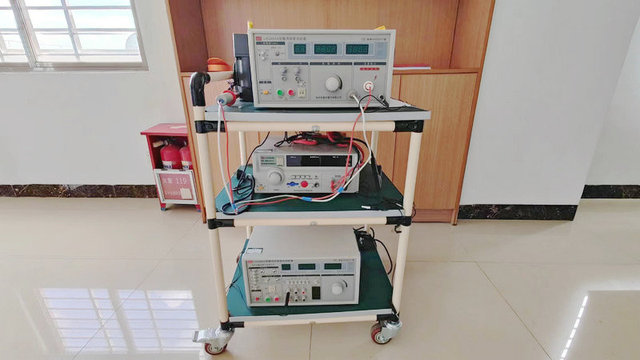
Supported by a dedicated R&D team and advanced manufacturing capabilities, QMS Medical implements comprehensive quality management procedures throughout product design, component sourcing, assembly, testing, and final inspection. The company is committed to delivering respiratory care solutions that support healthcare professionals in managing critical and long-term respiratory conditions.
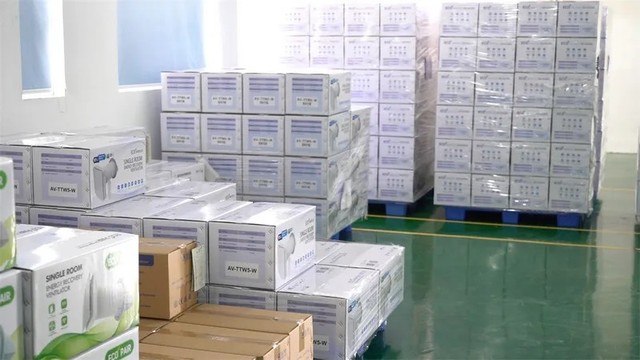
Serving customers across Europe, North America, Asia, the Middle East, Africa, and Latin America, Hangzhou QMS Medical Co., Ltd. provides flexible OEM and ODM manufacturing services to meet different market requirements. Through continuous technological advancement and customer-focused development, the company aims to contribute to the global healthcare industry by providing reliable, efficient, and innovative respiratory care equipment for modern medical applications.

Different operational environments pose unique challenges. Here is how advanced airway and ventilation architectures adapt to diverse deployment scenarios.
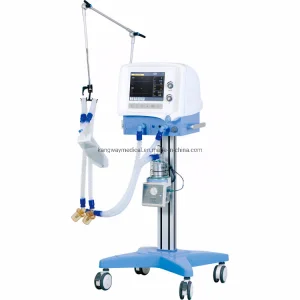
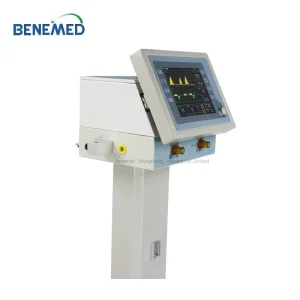
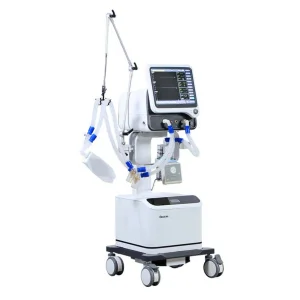
Critical care demands robust invasive and non-invasive ventilation modes (IPPV, SIMV, PCV, CPAP) supported by high-output compressors. Real-time patient monitoring ensures instant lung protection, preventing barotrauma and hypoxemic episodes during intensive therapy.
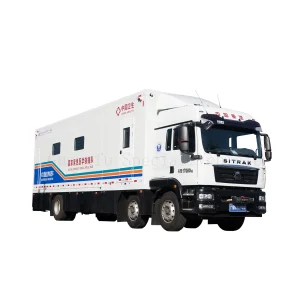
During emergency transit, vibration-resistant, lightweight, turbine-based ventilators deliver reliable respiratory support. These systems run on internal batteries, operating independently of central hospital compressed gas systems.
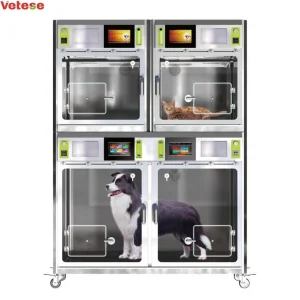
Multi-sensor pet ICU incubators rely on closed-loop thermoregulation, carbon dioxide monitoring, and oxygen enrichment. Precise sensor networks protect small animal patients from respiratory stress.
Pioneering tomorrow's non-invasive respiratory interfaces through continuous engineering improvements and clinical research.
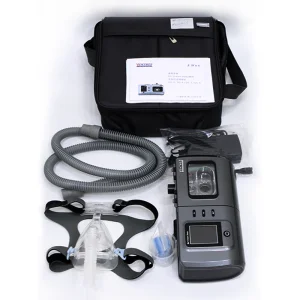
By shifting from external compressors to internal micro-turbines, next-generation ventilators reduce operational noise and footprints, allowing clinical-grade positive pressure therapy to be delivered seamlessly in homecare environments.
Integrated heating systems that adapt dynamically to ambient temperature and flow rates prevent condensation buildup in delivery circuits, improving overall therapy compliance.
Standardizing interfaces with HL7/FHIR communication protocols allows ventilation statistics to integrate directly into hospital Electronic Medical Record (EMR) databases, simplifying clinician workflows.
Optimizing battery management systems (BMS) with high-density lithium-iron-phosphate batteries extends field runtime, ensuring reliability during prolonged power failures or in rural clinics.
Comprehensive equipment, assemblies, and sensor solutions engineered to meet strict international medical standards.
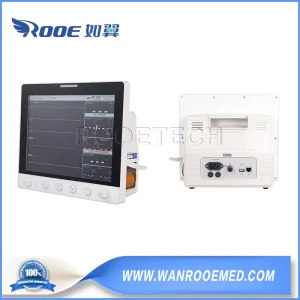
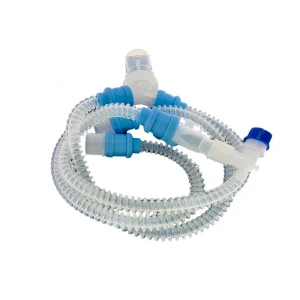
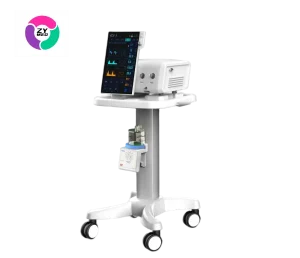
Key technical and regulatory answers for hospital procurement teams, global distributors, and OEM/ODM partners.
Turbine-driven ventilators utilize a high-speed brushless blower to generate respiratory gas flow, drawing ambient air and compressing it internally. This eliminates the need for an external central gas supply, making the device highly portable and ideal for emergency vehicles and transport. Compressor-driven systems rely on external medical gas lines or heavy mechanical compressors, which are generally suited for fixed hospital ICU installations requiring high-pressure oxygen delivery.
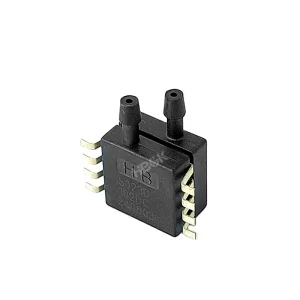
Differential pressure sensors (such as the HBP623 series) continuously monitor pressure drops across the ventilator's inhalation and exhalation paths. This real-time feedback allows the ventilator's microprocessor to calculate accurate flow rates and adjust the blower speed instantaneously. This prevents barotrauma by keeping pressures within safe limits while ensuring the patient receives the target tidal volume.
Yes, QMS Medical provides comprehensive OEM and ODM manufacturing services to meet different market and regulatory requirements. Our 10,000 square meter facility and staff of 220+ professionals support custom housing designs, multi-language system UI updates, specialized sensor integrations, and tailor-made accessories, ensuring full compliance with regional medical device registration standards.
Our medical ventilators and associated equipment are manufactured under a strict ISO 13485-certified quality management system. Depending on the product model and destination market, we provide CE certificates, NMPA approvals, and declarations of conformity, ensuring smooth custom clearance processes and hospital procurement audits globally.
Veterinary ICU systems must accommodate a wide range of patient weights, from small birds to large canine breeds. This requires specialized ventilation software capable of delivering low tidal volumes safely. Additionally, veterinary incubators feature closed-loop temperature and humidity control to prevent hypothermia, coupled with built-in nebulizers for localized therapeutic delivery.
 QMS Medical