In the modern era of medical science and industrial safety, precision ventilation is no longer just about air movement; it is about life-sustaining control. From the micro-pressure adjustments required for neonatal intensive care to the high-volume air exchange needed in chemical manufacturing plants, the "Precision Ventilation Tools" industry has undergone a radical transformation. This whitepaper analyzes the top global suppliers, technological roadmaps, and the vital role of China’s advanced manufacturing in sustaining this global infrastructure.
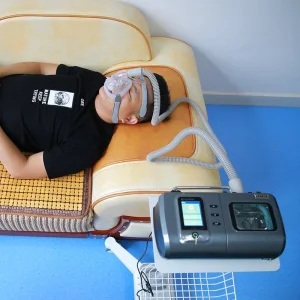
Precision ventilation encompasses tools that provide controlled air delivery, filtration, and pressure management. Whether it is a BiPAP machine for respiratory therapy or an axial fan for industrial heat dissipation, the underlying engineering must adhere to rigorous standards of accuracy and reliability.
Hangzhou QMS Medical Co., Ltd. is a professional manufacturer specializing in medical ventilators, ICU ventilation systems, and respiratory care equipment for healthcare institutions worldwide. Established in 2015, the company is located in Hangzhou, China, a city recognized for its strong medical technology and advanced manufacturing industries.
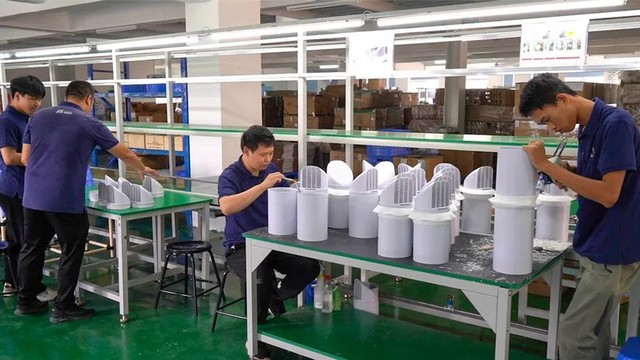
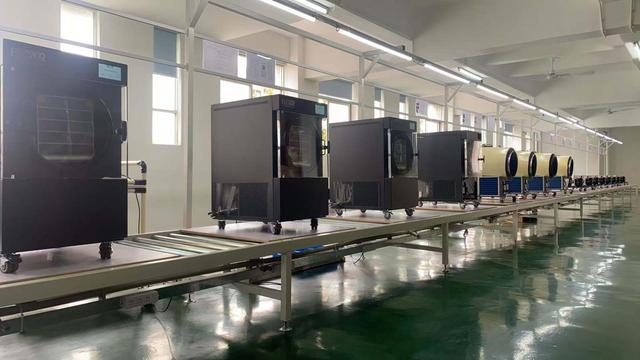
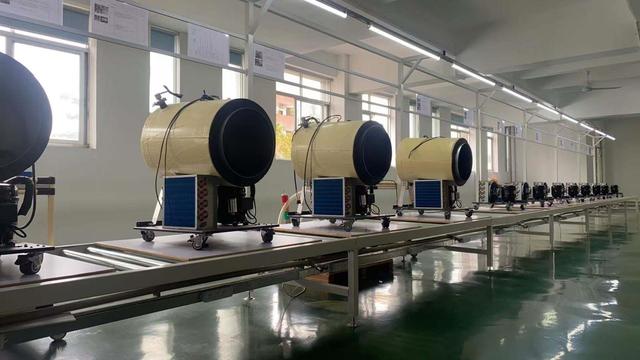
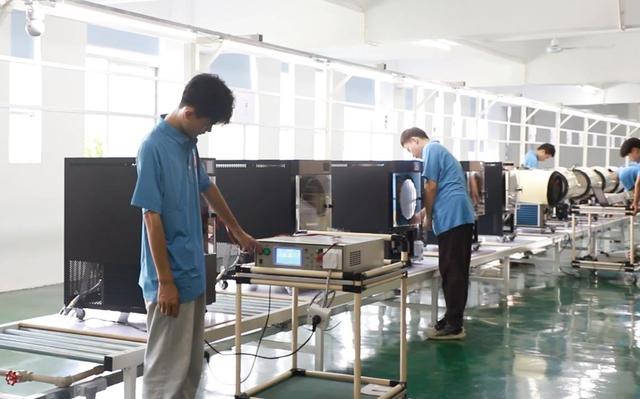
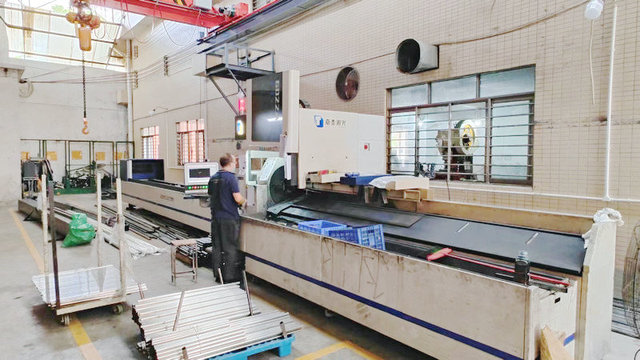
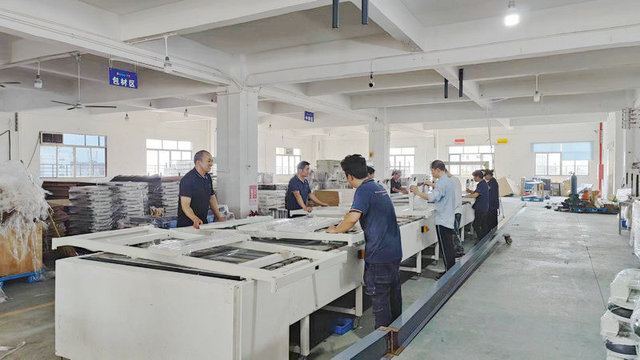
The company operates a modern production facility covering approximately 10,000 square meters and employs more than 220 skilled professionals, including engineers, technicians, and quality management specialists. QMS Medical focuses on the research, development, production, and supply of respiratory support technologies designed for hospitals, intensive care units, emergency departments, ambulance services, and home healthcare applications.
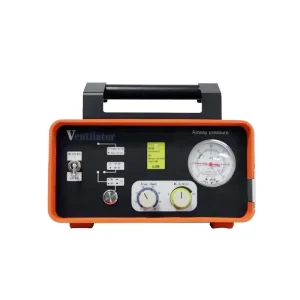
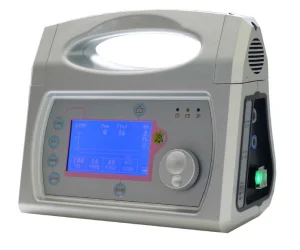
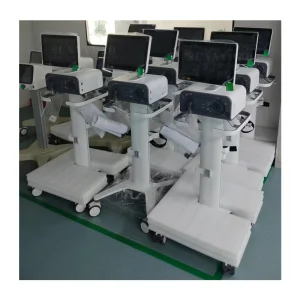
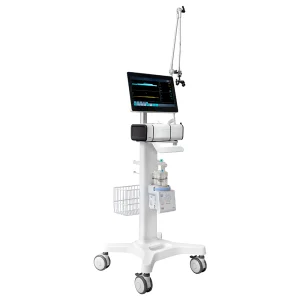
Its product portfolio includes ICU ventilators, portable ventilators, transport ventilators, emergency respiratory support systems, non-invasive ventilation devices, and intelligent patient monitoring integration solutions. The company continuously invests in product innovation and engineering development to improve ventilation performance, operational reliability, and clinical usability across diverse healthcare environments.

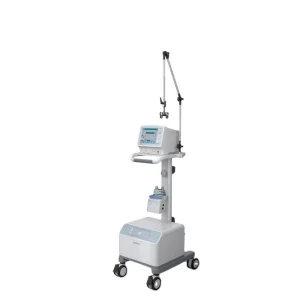
In high-end hospitals across Europe and North America, precision ventilators like the S9130 ICU System are integrated with hospital HIS systems for real-time monitoring and lung-protective ventilation strategies.
Ambulance services in the Middle East and Africa rely on rugged, portable ventilators (e.g., MY-E001r-F) that can withstand vibration and provide stable oxygen delivery during high-speed transport.
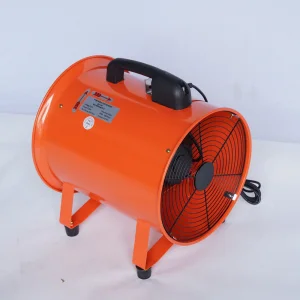
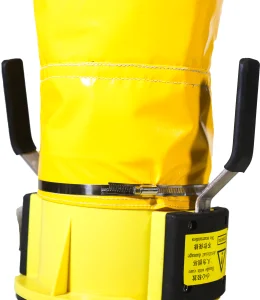
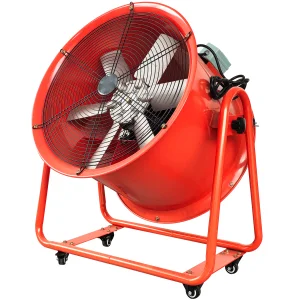
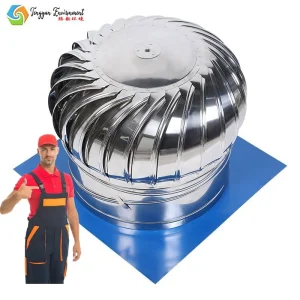
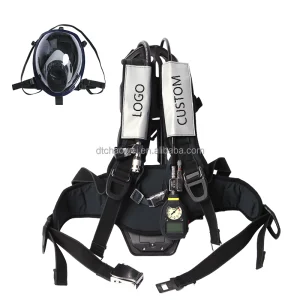
Mining and chemical industries in Latin America use Positive Pressure Breathing Apparatus and Explosion-proof Axial Fans to ensure worker safety in volatile or oxygen-depleted environments.
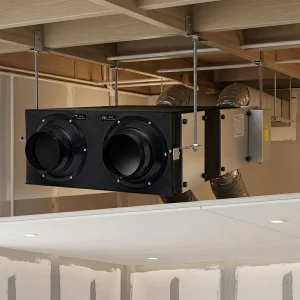
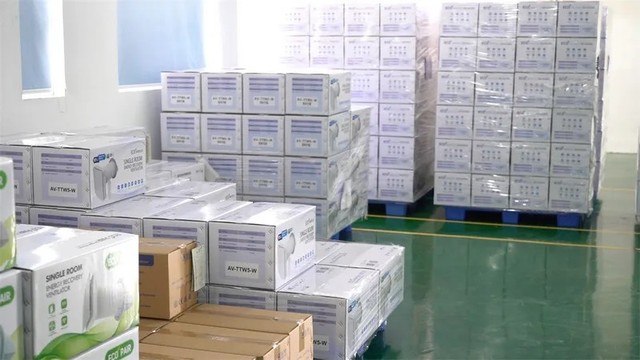
Modern residential buildings are increasingly adopting Heat Recovery Ventilators (HRV) to maintain indoor air quality (IAQ) while minimizing energy loss, essential for green building certifications.
The future of precision ventilation is driven by three pillars: Miniaturization, Connectivity, and Adaptive Intelligence. Current R&D focus is shifting towards AI-assisted ventilation modes where the machine "learns" the patient's breathing pattern to optimize synchrony.
As a global hub for medical and industrial hardware, China offers a unique "Cluster Advantage." Suppliers like Hangzhou QMS benefit from a vertically integrated supply chain where precision sensors, medical-grade plastics, and high-performance motors are sourced within a 200km radius.
This proximity allows for Rapid Prototyping and Cost-Efficient Scaling. Furthermore, the resilience of the Chinese supply chain was proven during global disruptions, where Chinese factories maintained production through advanced automation and flexible logistics, ensuring that life-saving ventilation tools reached global markets without delay.
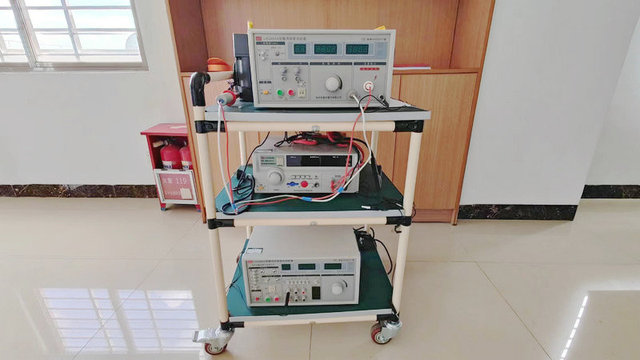
Selling precision ventilation tools globally requires more than just good engineering; it requires adherence to strict regulatory frameworks such as ISO 13485 (Medical Devices), CE Marking, and FDA guidelines. Hangzhou QMS Medical implements comprehensive quality management throughout product design, component sourcing, assembly, and testing.
Local support is also a critical competitive edge. Our global network provides:
 QMS Medical