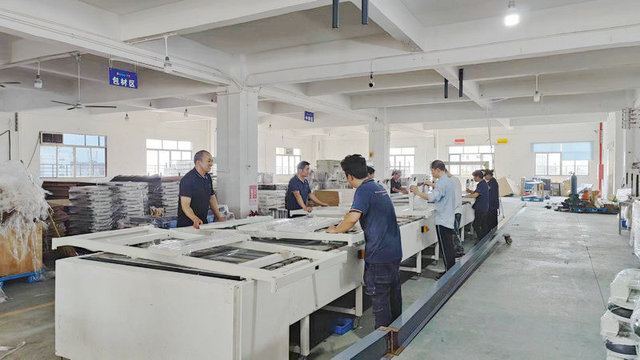
In the post-pandemic era, the global demand for Pulmonary Function Testing (PFT) equipment and advanced ventilation systems has seen a strategic shift. Healthcare providers are moving beyond basic spirometry toward integrated diagnostic ecosystems. This white paper analyzes the core competencies of the Top 10 Lung Function Testing Equipment Factories, with a focus on Hangzhou QMS Medical Co., Ltd. and the broader Chinese manufacturing "Industry 4.0" paradigm.
Modern PFT equipment now utilizes AI-driven semantic analysis to interpret FEV1/FVC ratios and DLCO (Diffusing Capacity of the Lungs for Carbon Monoxide). The integration of real-time gas analysis with flow-volume loops ensures clinical "Information Gain" for physicians.
Factories are no longer just building hardware; they are developing interconnected respiratory care systems that bridge the gap between diagnostic lung function testing and therapeutic ICU ventilation.
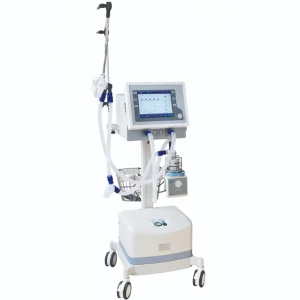
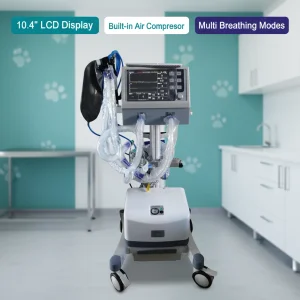
Hangzhou QMS Medical Co., Ltd. is a professional manufacturer specializing in medical ventilators, ICU ventilation systems, and respiratory care equipment for healthcare institutions worldwide. Established in 2015, the company is located in Hangzhou, China, a city recognized for its strong medical technology and advanced manufacturing industries.
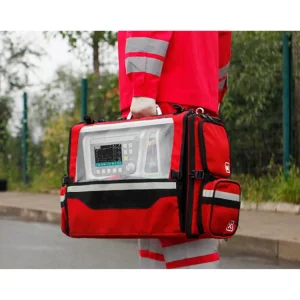
The company operates a modern production facility covering approximately 10,000 square meters and employs more than 220 skilled professionals, including engineers, technicians, and quality management specialists. QMS Medical focuses on the research, development, production, and supply of respiratory support technologies designed for hospitals, intensive care units, emergency departments, ambulance services, and home healthcare applications.
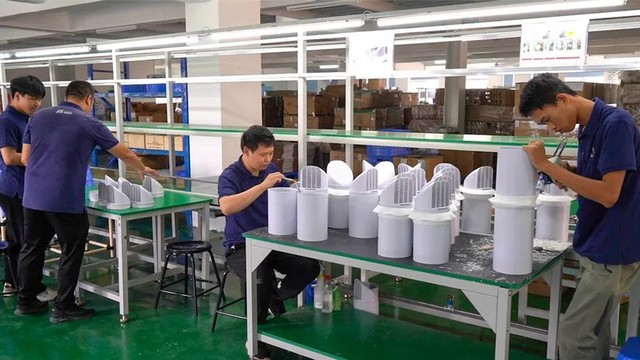
Square Meters Facility
Expert Professionals
Global Export Markets
Certified Standards
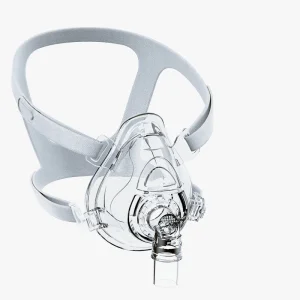
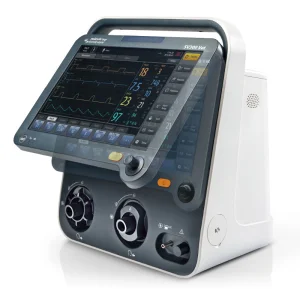
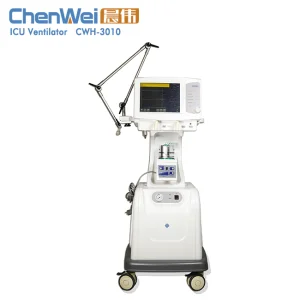
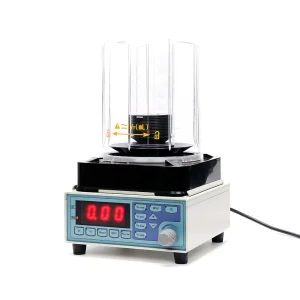
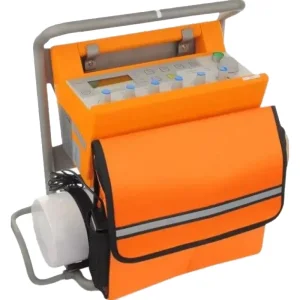
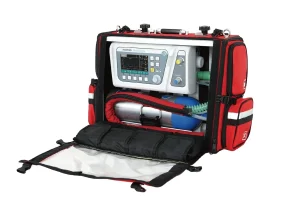
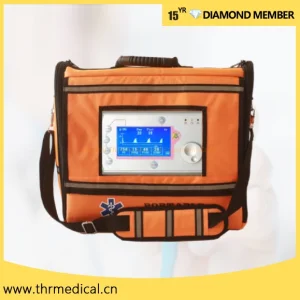
Its product portfolio includes ICU ventilators, portable ventilators, transport ventilators, emergency respiratory support systems, non-invasive ventilation devices, and intelligent patient monitoring integration solutions. The company continuously invests in product innovation and engineering development to improve ventilation performance, operational reliability, and clinical usability across diverse healthcare environments.
The next decade of Lung Function Testing and Respiratory Care will be defined by three major technological pillars:
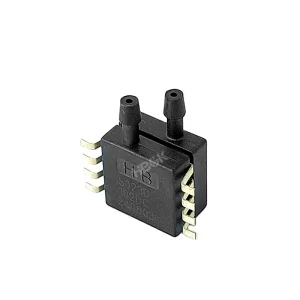
Miniaturization of pressure and flow sensors (like the HBP623 series) allows for wearable PFT devices that provide longitudinal data rather than single-point-in-time measurements, enhancing chronic obstructive pulmonary disease (COPD) management.
Integration with Big Data allows factories to offer Predictive Maintenance for ICU equipment and Population Health Analytics for regional health bureaus.
Development of adaptive ventilation modes that use Neural Respiratory Drive (NRD) to sync perfectly with the patient's own breathing efforts, reducing ICU weaning time by up to 30%.
Global enterprises aren't just looking for machines; they are looking for comprehensive ecosystem solutions that address the full spectrum of respiratory care.
Our systems are designed to integrate with HL7/DICOM protocols, ensuring that PFT results flow directly into the Electronic Medical Record (EMR), reducing administrative burden.
QMS Medical provides flexible OEM and ODM manufacturing services with full compliance support for FDA 510(k), CE MDR, and localized registration in the Middle East and Latin America.
Leveraging Hangzhou's "Medical Tech Valley," we maintain a 98% in-stock rate for critical components, ensuring that global supply chain disruptions do not affect patient care.
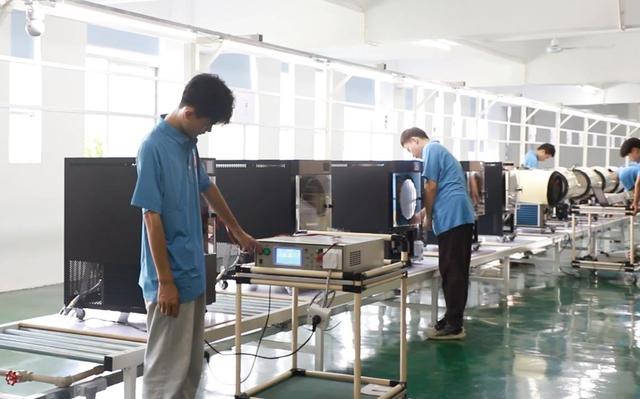
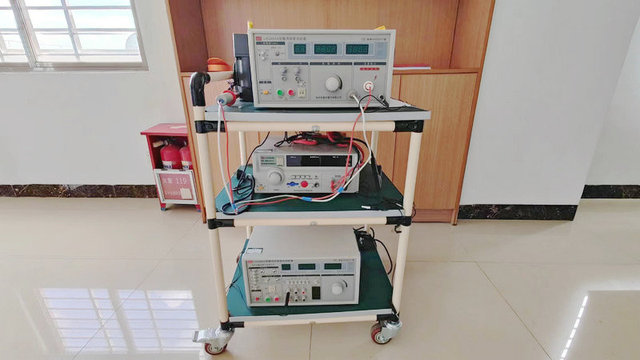
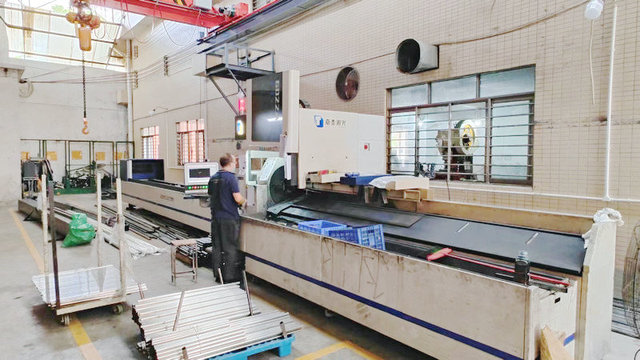
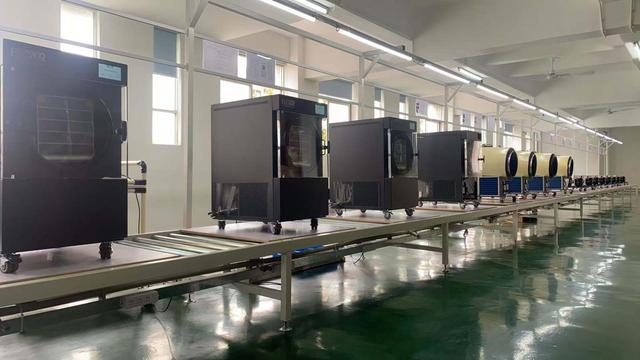
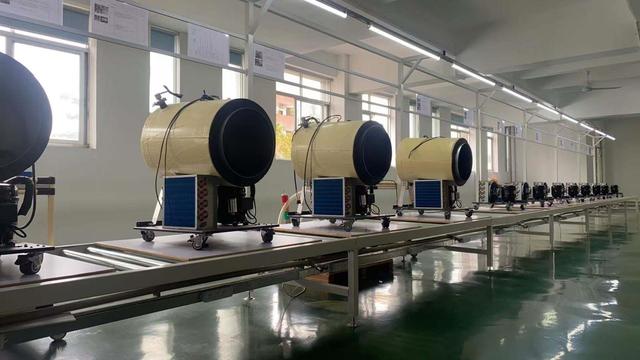
What sets the top 10 factories in China apart is the implementation of Smart Manufacturing. At QMS Medical, our 10,000 sqm facility utilizes:

Strategic buyers from Europe, North America, and Asia typically prioritize the following when selecting a PFT or Ventilator factory:
Verification of ISO 13485 and specific regional certifications is the baseline for entry into premium markets.
Provision of White Papers, Clinical Trial Data, and comprehensive Service Manuals for in-house biomedical engineering teams.
The ability to scale production from 100 units to 5,000 units during public health emergencies without compromising quality.
 QMS Medical