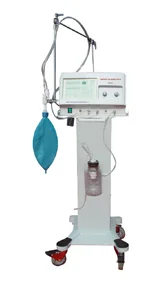
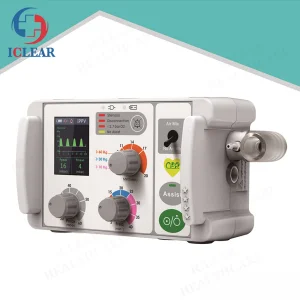
Explore our foundational range of non-invasive pressure support systems, sensors, and diagnostics designed for diverse healthcare applications.
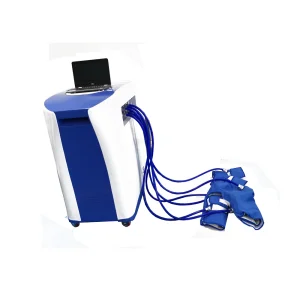
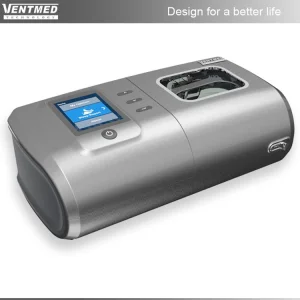
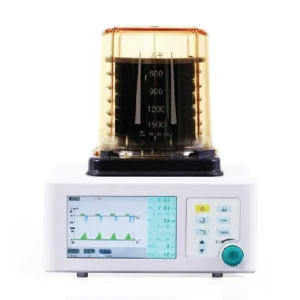
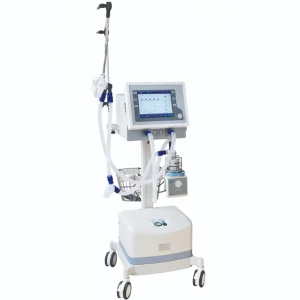
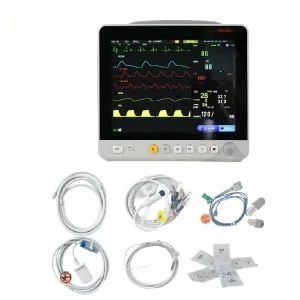
Deep-dive research into the engineering evolution, clinical indications, and global manufacturing systems powering the modern respiratory space.
Hangzhou QMS Medical Co., Ltd. is a professional manufacturer specializing in medical ventilators, ICU ventilation systems, and respiratory care equipment for healthcare institutions worldwide. Established in 2015, the company is located in Hangzhou, China, a city recognized for its strong medical technology and advanced manufacturing industries.
The company operates a modern production facility covering approximately 10,000 square meters and employs more than 220 skilled professionals, including engineers, technicians, and quality management specialists. QMS Medical focuses on the research, development, production, and supply of respiratory support technologies designed for hospitals, intensive care units, emergency departments, ambulance services, and home healthcare applications.
Our product portfolio includes ICU ventilators, portable ventilators, transport ventilators, emergency respiratory support systems, non-invasive ventilation devices, and intelligent patient monitoring integration solutions. The company continuously invests in product innovation and engineering development to improve ventilation performance, operational reliability, and clinical usability across diverse healthcare environments.
Supported by a dedicated R&D team and advanced manufacturing capabilities, QMS Medical implements comprehensive quality management procedures throughout product design, component sourcing, assembly, testing, and final inspection. The company is committed to delivering respiratory care solutions that support healthcare professionals in managing critical and long-term respiratory conditions. Serving customers across Europe, North America, Asia, the Middle East, Africa, and Latin America, Hangzhou QMS Medical Co., Ltd. provides flexible OEM and ODM manufacturing services to meet different market requirements.
The landscape of Bilevel Positive Airway Pressure (BPAP/BiPAP) equipment is undergoing a rapid paradigm shift driven by sensor miniaturization, microfluidics, and cloud analytics. Traditionally, bilevel devices operated on basic dual-pressure settings (Inspiratory Positive Airway Pressure - IPAP, and Expiratory Positive Airway Pressure - EPAP). However, next-generation engineering paradigms integrate advanced closed-loop algorithms designed to dynamically adapt to patient ventilation profiles in real-time.
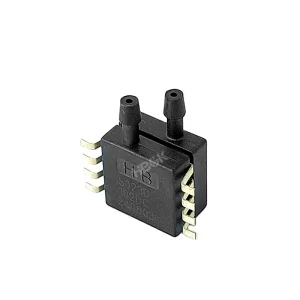
Our design roadmap targets the elimination of patient-ventilator asynchrony—a leading cause of discomfort and treatment failure in non-invasive ventilation (NIV). By incorporating high-frequency micro-electro-mechanical systems (MEMS) such as the HBP623 dual inlet differential pressure transducers, our machines measure pressure fluctuations down to the scale of ±2 kPa with millisecond response rates. This allows the trigger systems to detect the precise initiation of patient inhalation, adjusting the rise time and slope dynamically to mimic natural physiological breathing.
Looking forward, the roadmap is defined by three pillars:
Average Volume Assured Pressure Support automatically adjusts pressure limits to guarantee target tidal volumes despite changes in lung mechanics.
Real-time cellular and Wi-Fi modules enable remote clinician modifications, reducing hospital re-admission rates and enhancing clinical compliance.
By redesigning the multi-stage centrifugal blower chambers, QMS devices operate below 28dB, ensuring optimal sleep architecture for patients.
Modern medical infrastructure requires modular and highly compatible ventilation systems that can transition seamlessly between acute, sub-acute, emergency, and homecare scenarios. QMS Medical engineers respiratory ecosystems that scale across these environments.
In high-pressure ICU environments, our devices function as vital therapy solutions capable of supporting patients with severe hypoxemia or acute hypercapnic respiratory failure.
For chronic conditions like Obstructive Sleep Apnea (OSA) and Chronic Obstructive Pulmonary Disease (COPD), patient compliance is the single most critical parameter.
Beyond human clinical care, our specialized veterinary solutions, such as the Hospital Respiratory Breathing Veterinary Anesthesia Ventilator and multi-parameter monitor configurations, adapt the core respiratory technology for animal healthcare clinics. This versatility illustrates the robustness and adaptability of our engineering architecture across multiple medical verticals.
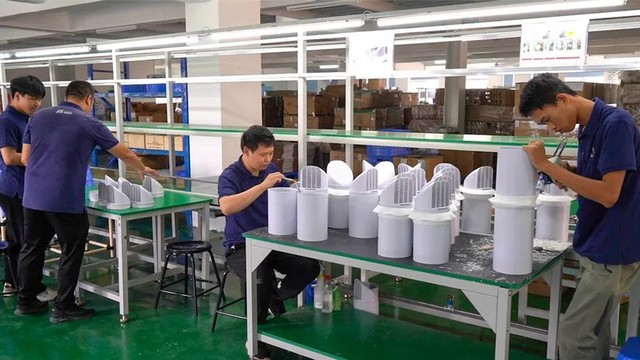
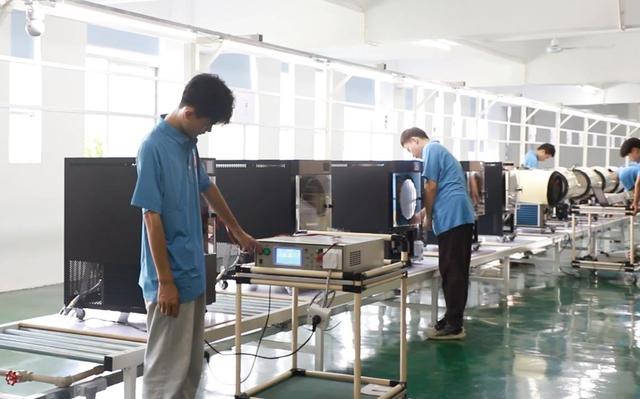
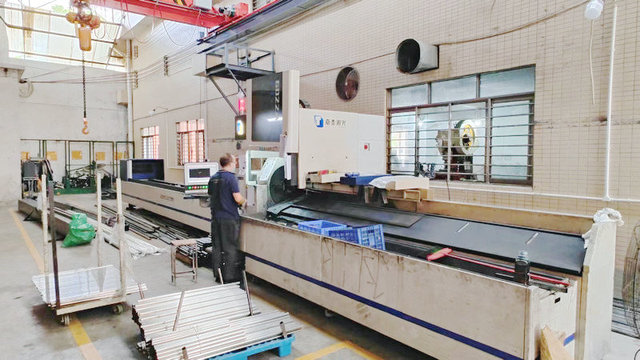
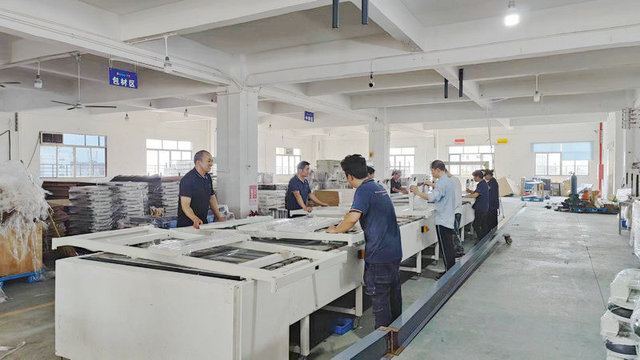
Located in Hangzhou’s high-tech manufacturing corridor, QMS Medical’s 10,000-square-meter facility operates under strict Industry 4.0 directives. By aligning digital workflows with physical assembly, we guarantee zero-defect precision at a production capacity that scales rapidly with global market spikes.
Our smart factory uses a fully digital Quality Management System (QMS) that tracks every individual component—from the micro-differential sensors and blowers to the molded outer casings—through a unique barcoded tracking system. This component traceability ensures absolute transparency under global medical device standards.
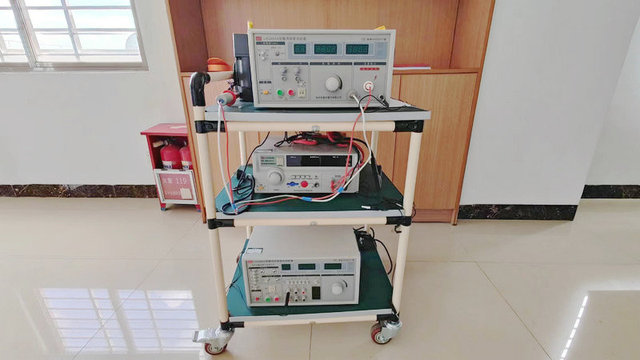
Furthermore, our automated testing benches run 24-hour simulation testing on all finished Bilevel Positive Airway Devices, exposing them to continuous pressure cycling, temperature challenges, and stress conditions before packaging. Our location in Hangzhou provides us with immediate access to a highly integrated, localized supply chain. 90% of our precision electronic and structural elements are sourced within a 150 km radius. This short supply chain protects our clients from geopolitical disruptions and logistics bottlenecks, giving us a major advantage over competitors in other regions.
Exporting class-leading medical devices requires deep compliance alignment with localized regulatory frameworks. QMS Medical's regulatory affairs team has managed successful registrations in over 50 countries, facilitating easy importation and compliance pathways for international medical distributors.
We conform to the highest global standards:
To ensure high client satisfaction post-delivery, we supply localized user manuals, device interface options in multiple languages, and a structured system for firmware updates. For large-scale national healthcare bids, we partner directly with local distributors to provide regulatory support files, technical files, and clinical evaluation reports.
Global B2B medical procurement officers demand more than just standard products; they seek flexible manufacturing partners capable of accommodating custom technical specifications, branding requests, and delivery timelines. QMS Medical offers a structured OEM and ODM pathway designed for top-tier distributors, medical brands, and governmental hospital purchasing networks.
Our customizable features range from cosmetic casing redesigns and custom firmware UI branding to specific pressure-range adjustments. We offer flexible Minimum Order Quantities (MOQs) for initial registration batches, ensuring that partners can launch products in their home territories with minimal risk. Backed by our robust shipping infrastructure and partnerships with major global freight networks, we guarantee safe, temperature-controlled transit of fragile medical electronics to destinations in Europe, North America, the Middle East, and Latin America.
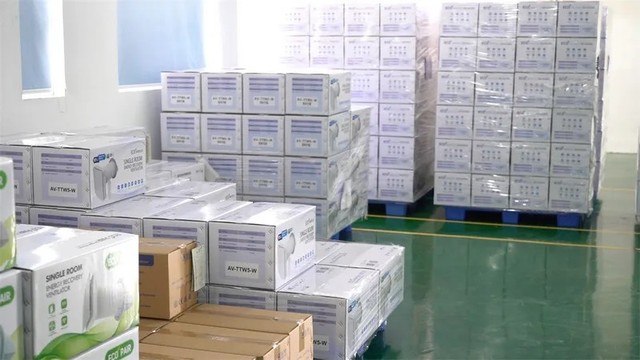
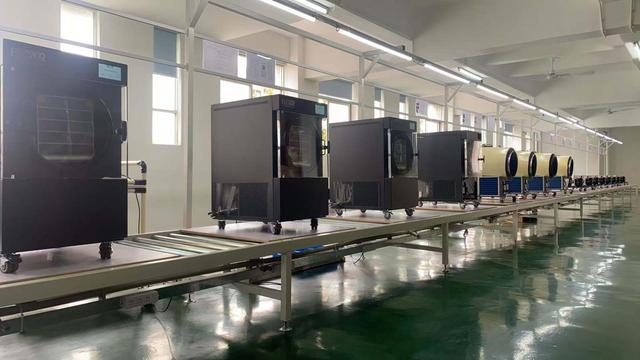
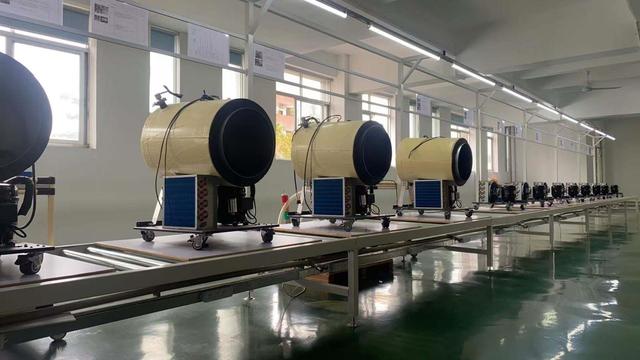
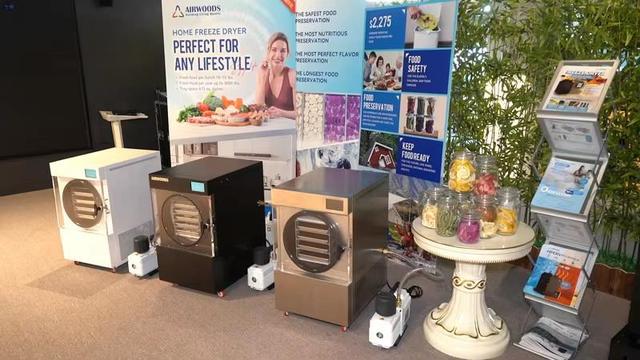
A look inside our 10,000-square-meter facility, displaying our high-tech assembly lines, quality control benches, and R&D labs.

Expert answers addressing the key clinical, engineering, and regulatory questions asked by healthcare buyers.
CPAP (Continuous Positive Airway Pressure) delivers a single, constant pressure to the airway throughout the respiratory cycle. BiPAP delivers two levels of pressure: Inspiratory Positive Airway Pressure (IPAP) when the patient breathes in, and Expiratory Positive Airway Pressure (EPAP) when they breathe out. EPAP is set lower than IPAP to make exhalation easier, which improves comfort and ventilation for patients with complex lung conditions like COPD.
AVAPS (Average Volume Assured Pressure Support) monitors the tidal volume delivered to the patient over several breaths. If the tidal volume drops due to changes in lung compliance or body position, the device automatically adjusts the IPAP level to meet the target volume. This provides the safety of volume-controlled ventilation with the comfort of pressure-controlled ventilation.
We use high-grade silicon micro-machined differential pressure sensors, such as the HBP623 dual inlet transducers. These components undergo thermal compensation during assembly to remain accurate across a wide range of temperatures. Each sensor is calibrated against a laboratory-grade reference to guarantee precise clinical triggering and prevent signal drift.
Yes, our R&D team provides full localization support through our ODM services. We can translate the entire user interface and user manuals into European, Middle Eastern, and Asian languages. We also help adapt system software to meet the specific requirements of regional healthcare systems.
Our non-invasive ventilators are designed to work with high-efficiency particulate air (HEPA) filters on both the inspiratory and expiratory pathways. The internal air channels are sealed and isolated from the electronic components. All external components, including humidification chambers and circuit connectors, are made from medical-grade polymers that can withstand standard disinfection procedures.
We use a digital Enterprise Resource Planning (ERP) system that links every component batch to a specific production run. In the rare event of a component failure, we can quickly trace the source batch and locate all devices in the field that contain parts from that same batch. This ensures total safety and transparency.
Explore our advanced range of critical care, transport, and specialty environmental ventilation systems.

 QMS Medical