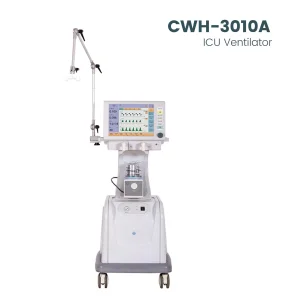
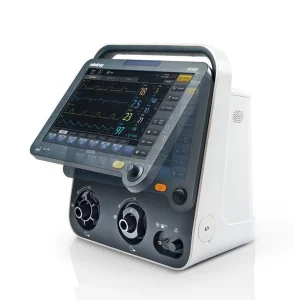
Advanced diagnostic and life-support ventilators engineered specifically for neonatal, pediatric, and adult intensive care environments in Peru.
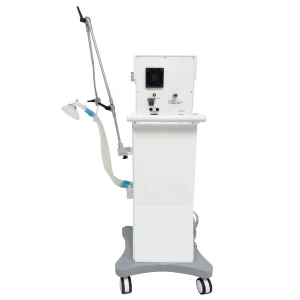
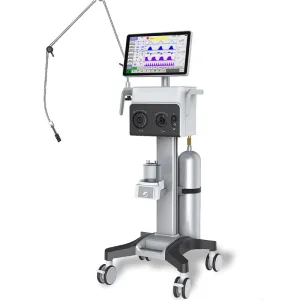
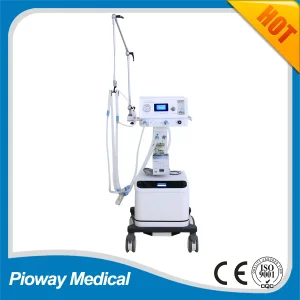
As the focal point of medical distribution in Peru, Metropolitan Lima houses the nation’s primary healthcare facilities, including the Instituto Nacional de Salud del Niño (INSN) in Breña and San Borja, and major social security hospitals such as Edgardo Rebagliati Martins and Guillermo Almenara. High-dependency pediatric and neonatal units in these institutions require medical systems designed for complex cardiopulmonary demands.
The demand for neonatal and pediatric ventilators in Lima is driven by a critical need to update mechanical ventilators in public clinical sectors under MINSA (Ministerio de Salud) and EsSalud, alongside expanding private clinical sectors (such as Clínica Anglo Americana and Clínica Delgado). Procurement teams prioritize devices featuring high-precision volume ventilation (down to 2 ml tidal volume for micro-premature infants), integrated High-Flow Nasal Cannula (HFNC) therapy, and robust leak compensation to ensure therapeutic consistency in non-invasive modes.
Given the geographic variability across Peru, hospital networks in Lima need respiratory equipment capable of performing reliably during internal patient transport and in various atmospheric conditions. Local distributors and hospital systems select manufacturers that provide robust backup power, high-durability sensors, and certified compatibility with central medical gas pipelines.

Our ICU breathing systems are designed to minimize Ventilator-Induced Lung Injury (VILI) through intelligent trigger systems and precise volume delivery.
Features ultra-sensitive flow sensors placed directly at the Y-piece, detecting patient effort down to 0.2 L/min. This minimizes trigger delay and reduces work of breathing (WOB) for critical neonatal and pediatric patients.
Our dynamic software adjusts for up to 60 L/min of mask leakage during non-invasive ventilation (NIV/nCPAP). This maintains target inspiratory pressure and prevents auto-triggering in pediatric patients.
Modes include PRVC (Pressure Regulated Volume Control), Dual-Channel SIMV, and integrated High Flow Nasal Cannula (HFNC). This allows smooth transitions from invasive mechanical support to non-invasive weaning.
| Clinical Parameter | Neonatal & Pediatric Range | Adult Patient Range | Ventilatory Efficacy Value |
|---|---|---|---|
| Tidal Volume (Vt) | 2 ml to 300 ml | 100 ml to 2000 ml | Enables safe ventilation for low-birthweight neonates. |
| Inspiratory Pressure (Pinsp) | 2 to 50 cmH2O | 5 to 80 cmH2O | Maintains low alveolar stress during protective ventilation protocols. |
| PEEP Control | 0 to 30 cmH2O | 0 to 35 cmH2O | Maintains functional residual capacity (FRC) in compromised pediatric lungs. |
| Trigger Sensitivity | Flow: 0.2 to 5 L/min | Flow: 0.5 to 20 L/min | Reduces patient-ventilator dyssynchrony during critical weaning phases. |
| FiO2 Concentration | 21% to 100% (Continuous) | 21% to 100% (Continuous) | Paramagnetic or galvanic O2 sensor feedback loop for stability. |
Operating in Peru requires conformity with the Dirección General de Medicamentos, Insumos y Drogas (DIGEMID) framework. All critical care medical units manufactured by QMS Medical are compliant with ISO 13485 (Medical Devices Quality Management Systems) and CE mark directives, facilitating importation and regulatory clearance processes.
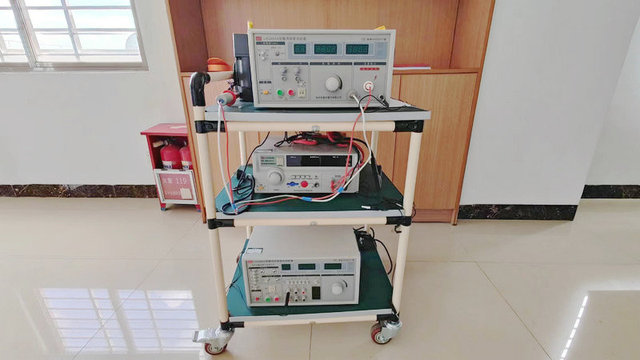
We work closely with local medical distributors in Lima to prepare documentation, including the Certificate of Free Sale (CFS), test protocols, and electrical safety certifications. Our local support extends beyond import logistics; our partners in Lima offer comprehensive technical assistance, periodic preventative maintenance, calibration using certified analyzer lungs, and supply original wear parts (such as silicon patient circuits, flow sensors, and exhalation valve assemblies).
Furthermore, to support clinicians, we offer structured training programs on-site and online, helping bio-medical engineering and clinical staff at hospitals in Lima stay informed on the operation and maintenance of our devices.
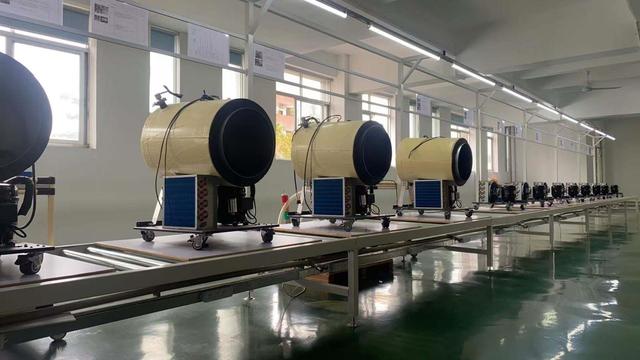
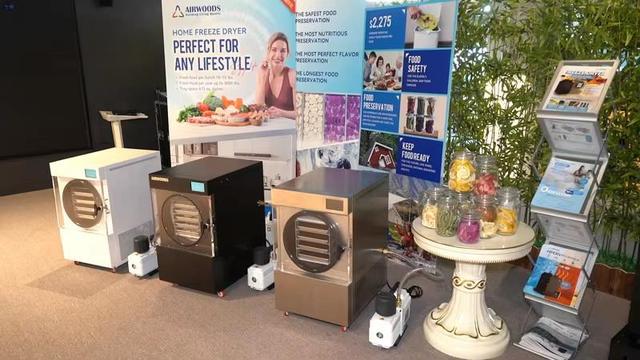
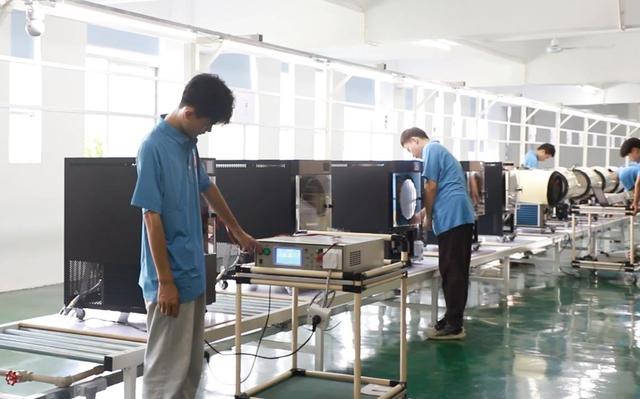
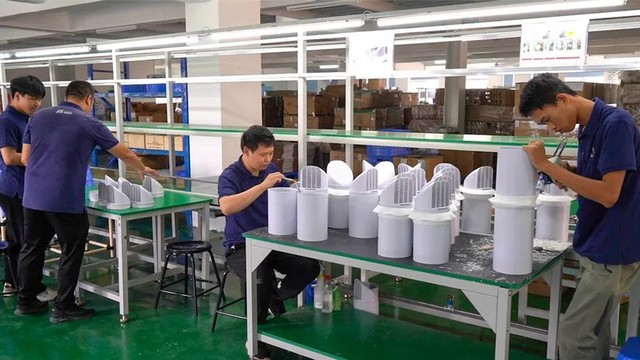
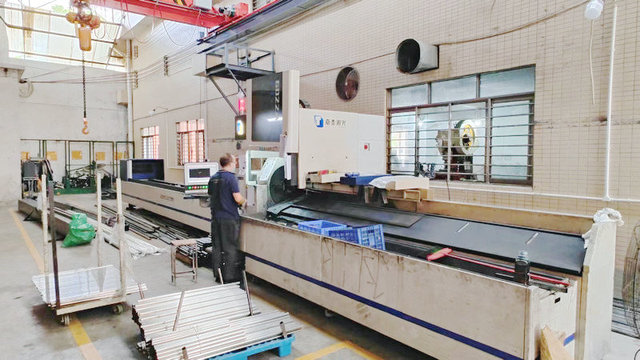
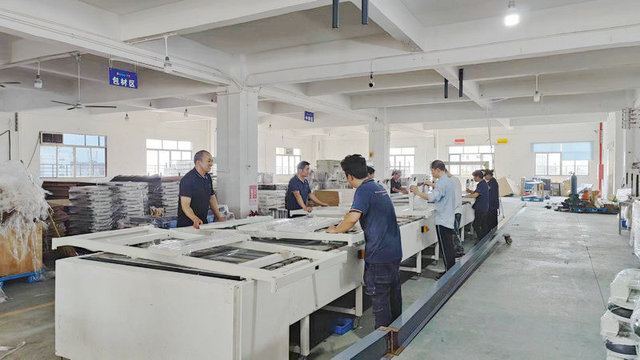
Based in Hangzhou, China, a key medical technology hub, Hangzhou QMS Medical Co., Ltd. operates a modern manufacturing facility covering approximately 10,000 square meters. Our factory has an annual production capacity exceeding 5,000 ventilators and employs over 220 skilled professionals, including design engineers, software specialists, and QA auditors.
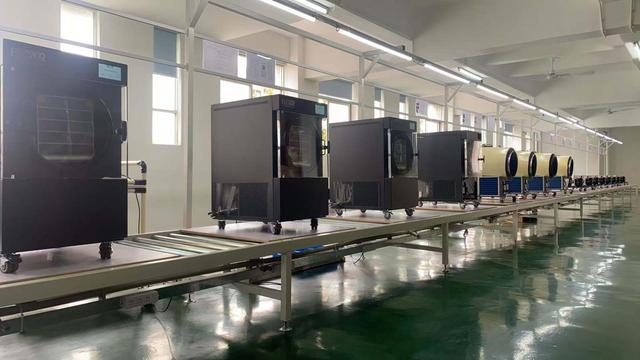
By integrating Industry 4.0 practices, we employ automated testing systems, real-time calibration rigs, and advanced ERP systems to track every component—from solenoids and proportional valves to precision pressure transducers.
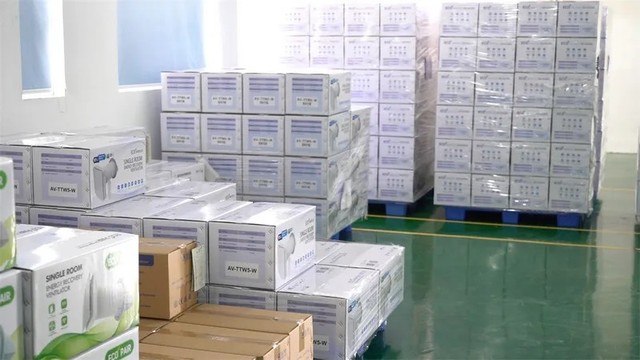
For our partners in South America, particularly in Peru, this industrial capacity translates into reliable lead times and customizable configurations (OEM/ODM). We run every ICU machine through a continuous 72-hour burn-in phase to ensure stable performance upon arrival at Callao Port.
Production Facility
Skilled Professionals
System Burn-in Test
On-Time Delivery Rate
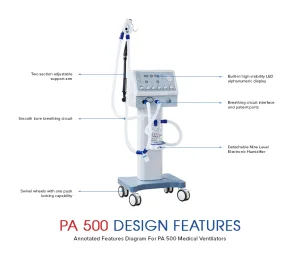
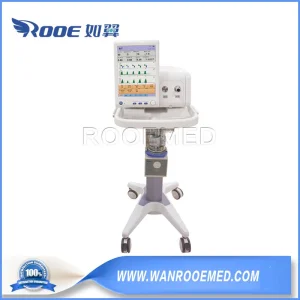
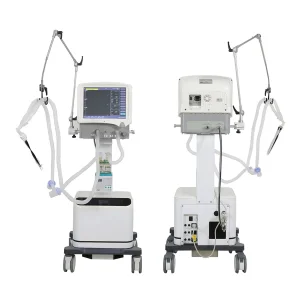
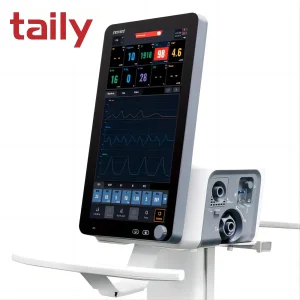
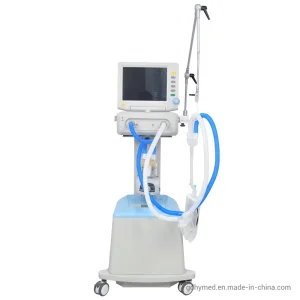
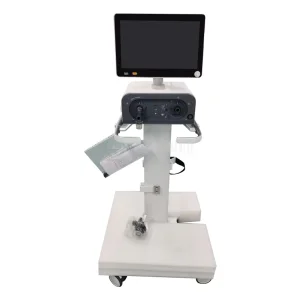
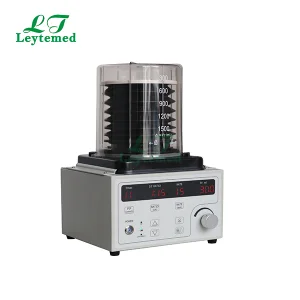
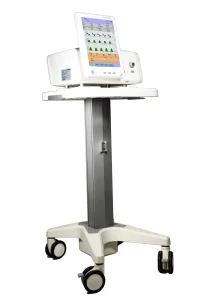
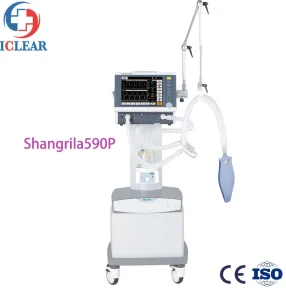
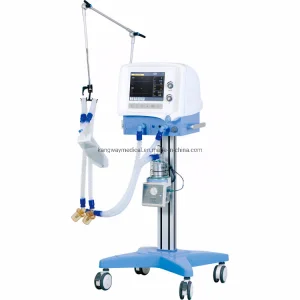
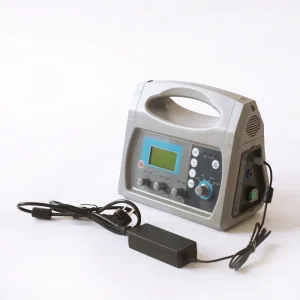
Explore our full range of medical breathing systems, including portable units and high-capacity turbine ICU ventilators.
Expert clarifications regarding regulatory approvals, technical selection, and local maintenance support in Peru.
Partner with Hangzhou QMS Medical Co., Ltd. for clinical-grade ICU ventilators, customized OEM/ODM options, and technical support in Peru.
Send Inquiry Now QMS Medical