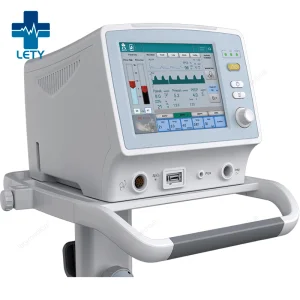
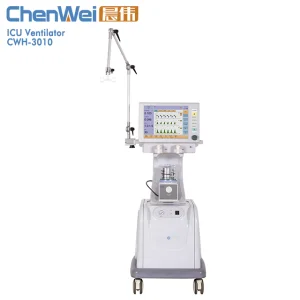
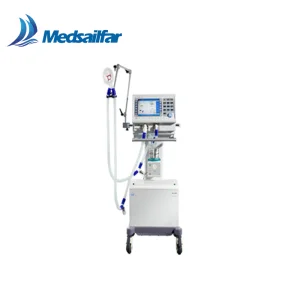
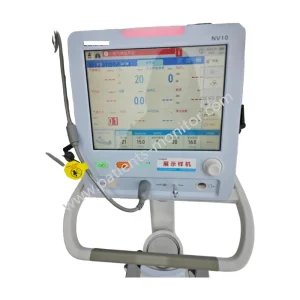
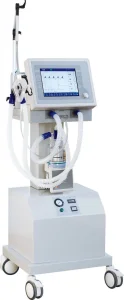
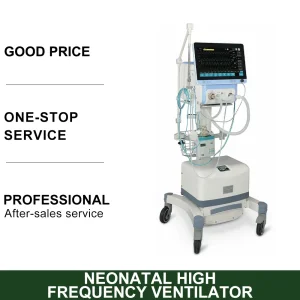
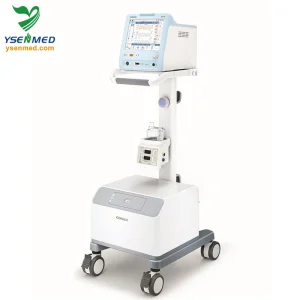
Highly optimized, adaptive clinical systems specifically prepared for delivery to Algiers intensive care departments and pediatric units.
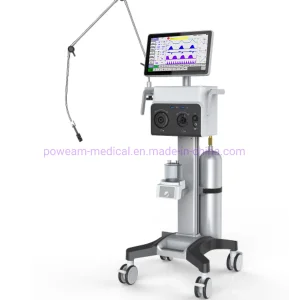
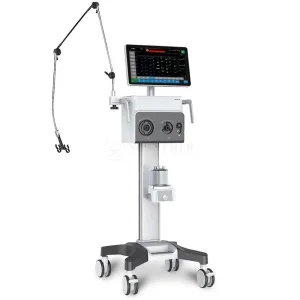
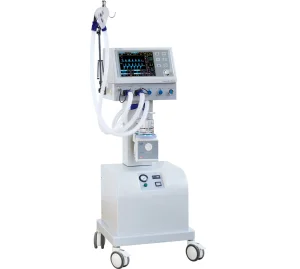
The city of Algiers, serving as the clinical and regulatory hub of Algeria, is currently experiencing a profound modernization of its public and private healthcare facilities. Under the guidance of the Algerian Ministry of Health, specialized pediatric care, infant mortality reduction programs, and neonatal intensive care expansion are receiving strategic priority. Developing resilient Neonatal Intensive Care Units (NICUs) at university medical centers like **CHU Mustapha Pacha**, **CHU Bab El Oued**, and specialized clinics across Oran and Constantine highlights a pressing need: high-performance, durable neonatal ventilation systems.
Respiratory distress syndrome (RDS), transient tachypnea of the newborn (TTN), persistent pulmonary hypertension (PPHN), and meconium aspiration syndrome (MAS) represent severe critical care issues within Algerian hospitals. These conditions demand advanced mechanical ventilation parameters tailored for extremely low birth weight (ELBW) babies and pediatric cohorts. Clinicians in Algiers are actively seeking ventilation technologies that offer precise control over tidal volume, optimized oxygen concentration, and robust safety mechanisms to mitigate risk of bronchopulmonary dysplasia (BPD).
Algiers experiences hot summer seasons and elevated dust particulate levels. Ventilators must feature advanced internal dust filtration and robust thermal management systems to ensure continuous operation without sensor failure.
Unplanned power interruptions can endanger fragile neonates. Our systems are equipped with long-lasting integrated lithium battery systems to guarantee continuous operation for up to 4 hours in local clinics.
Designed with intuitive multi-language support (French, English, and Arabic interfaces) ensuring seamless system configuration and fast setup for Algerian clinical teams.
As international supply chains shift, medical procurement officers and clinical directors in Algiers are looking past traditional European brands to find high-performance alternatives. Collaborating with a premier Chinese medical manufacturer offers distinct advantages in cost efficiency, technological integration, and overall reliability:
Hangzhou QMS Medical Co., Ltd. is a professional manufacturer specializing in medical ventilators, ICU ventilation systems, and respiratory care equipment for healthcare institutions worldwide. Established in 2015, the company is located in Hangzhou, China, a city recognized for its strong medical technology and advanced manufacturing industries.
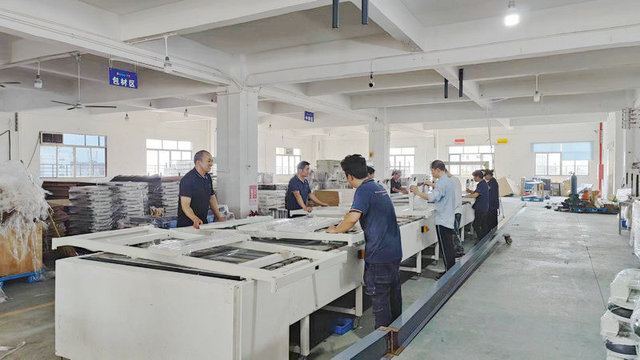
The company operates a modern production facility covering approximately 10,000 square meters and employs more than 220 skilled professionals, including engineers, technicians, and quality management specialists. QMS Medical focuses on the research, development, production, and supply of respiratory support technologies designed for hospitals, intensive care units, emergency departments, ambulance services, and home healthcare applications.
Its product portfolio includes ICU ventilators, portable ventilators, transport ventilators, emergency respiratory support systems, non-invasive ventilation devices, and intelligent patient monitoring integration solutions. The company continuously invests in product innovation and engineering development to improve ventilation performance, operational reliability, and clinical usability across diverse healthcare environments.
Supported by a dedicated R&D team and advanced manufacturing capabilities, QMS Medical implements comprehensive quality management procedures throughout product design, component sourcing, assembly, testing, and final inspection. The company is committed to delivering respiratory care solutions that support healthcare professionals in managing critical and long-term respiratory conditions.
Serving customers across Europe, North America, Asia, the Middle East, Africa, and Latin America, Hangzhou QMS Medical Co., Ltd. provides flexible OEM and ODM manufacturing services to meet different market requirements. Through continuous technological advancement and customer-focused development, the company aims to contribute to the global healthcare industry by providing reliable, efficient, and innovative respiratory care equipment for modern medical applications.
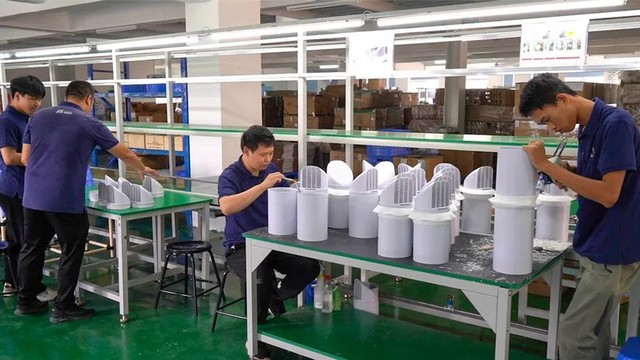
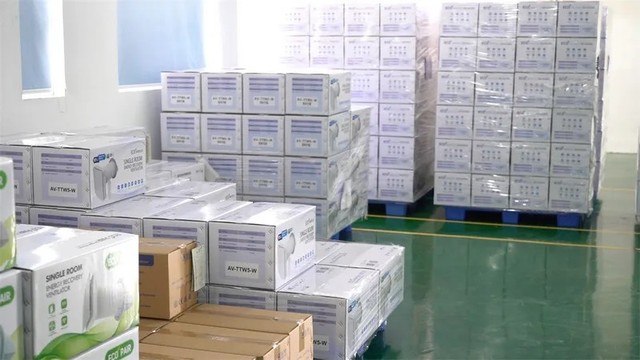
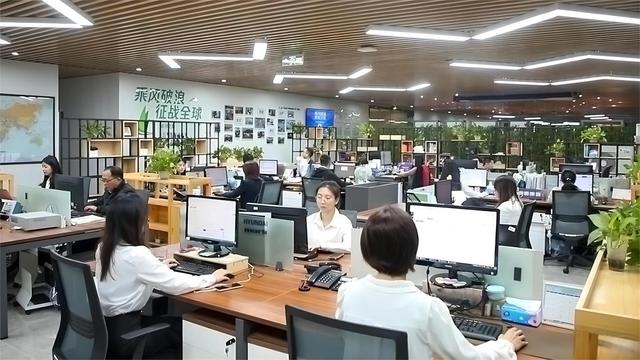
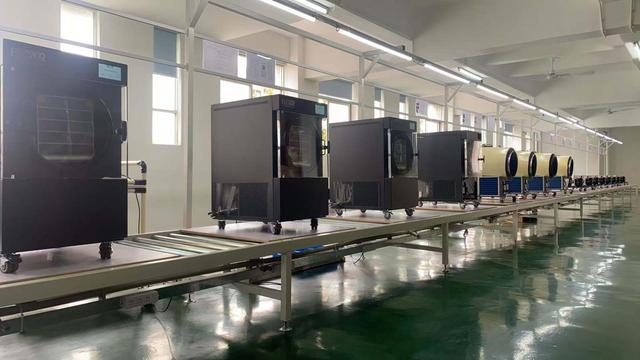
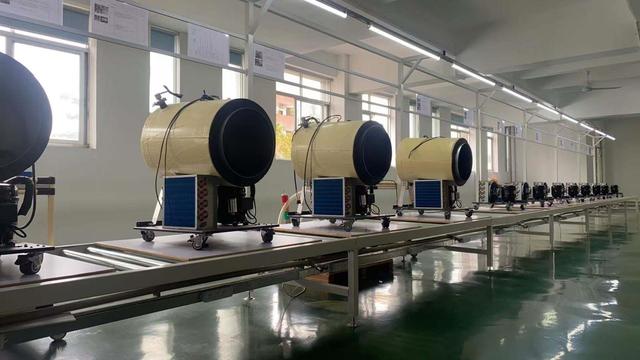
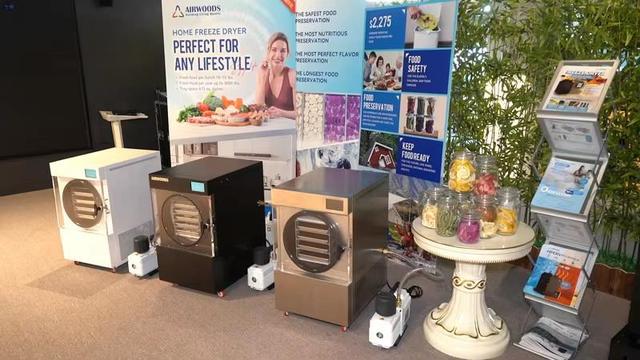
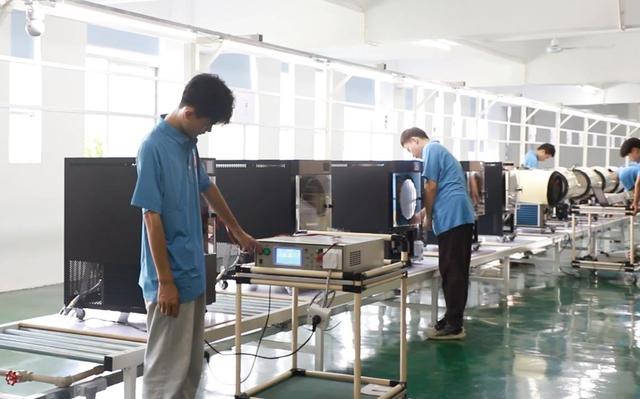
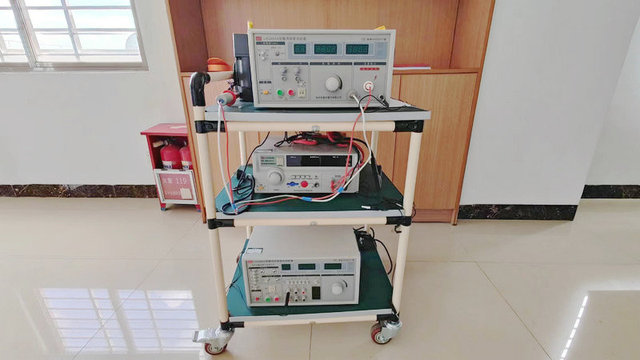
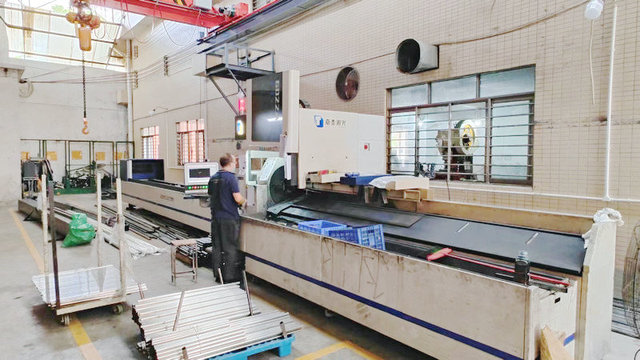
Engineered to deliver target tidal volumes and precise oxygen management for critical care facilities in the Algiers region.
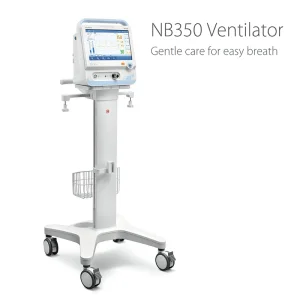
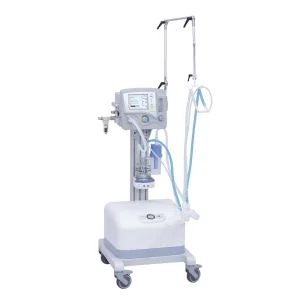
In modern neonatal respiratory care, clinical strategies have transitioned from invasive mechanical procedures to gentler, non-invasive alternatives. By implementing targeted strategies, neonatologists can limit volutrauma, barotrauma, and atelectrauma in extremely low birth weight infants. Key technological advancements include:
For neonates with severe respiratory distress syndrome or air leaks, traditional mechanical ventilation can exacerbate lung damage. HFOV delivers minimal tidal volumes (often smaller than the dead space of the airway) at elevated respiratory rates (typically 5 to 15 Hz). This maintains lung recruitment while stabilizing alveolar units, offering optimal gas exchange and protecting developing tissue.
Volume-Targeted Ventilation is essential for avoiding fluctuations in tidal volume due to sudden changes in infant lung compliance. By dynamically monitoring pressure and volume output at the Y-piece, modern systems calculate the exact inspiratory pressure needed to reach the targeted tidal volume, protecting premature babies from brain injury and lung barotrauma.
Non-invasive ventilation methods, including nasal CPAP and bubble CPAP systems, have become standard protocols globally. They provide warm, humidified gas mixtures while maintaining functional residual capacity (FRC) in the neonate's lungs, lowering the necessity for intubation and invasive ventilation.
Our neonatal ventilator ranges are deployed across distinct environments in Algeria:
A complete selection of advanced ICU respirators and non-invasive bubble CPAP systems available for direct export to Algiers.
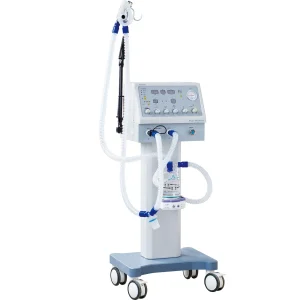
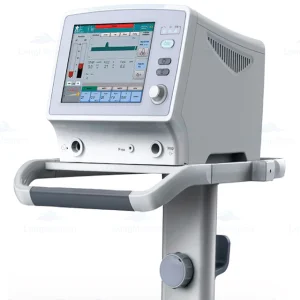
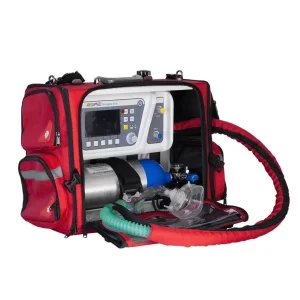
Crucial insights for medical engineering coordinators, tender organizers, and clinical teams in Algiers.
Standard manufacturing periods typically range from 15 to 25 days depending on the size of the order. Shipping from key Chinese ports (like Shanghai or Ningbo) to the Port of Algiers generally takes between 30 and 45 days. We provide tracking documentation and export certificates to facilitate a smooth customs clearance process.
Yes. Hangzhou QMS Medical operates under ISO 13485 quality systems. We provide comprehensive documentation packages, including CE certificates, test reports, and free sale certificates, enabling your local import partner to register the devices with the Algerian National Agency for Pharmaceutical Products (ANPP).
We work closely with local distributors in Algiers, providing them with technical documentation, replacement parts, and online training courses. For large-scale public tenders or hospital upgrades, our clinical engineers can offer remote support or coordinate on-site technical training for local biomedical teams.
We offer a comprehensive 12 to 24-month warranty on our main neonatal ventilator units. Post-warranty, we guarantee the availability of essential spare parts, oxygen sensors, breathing circuits, and silicon tubes for at least 8 years, ensuring your clinical investments remain operational.
Absolutely. We specialize in ODM development. We can integrate French and Arabic translations into the software touch interfaces and user manuals, which is highly valuable for clinical personnel in Algeria.
Elevate the clinical capabilities of your neonatal departments and medical projects across Algiers. Contact our expert team for product specifications, factory pricing, and compliance information.
Send Inquiry Now QMS Medical