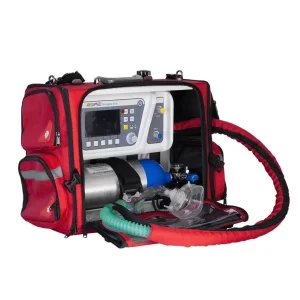
Engineered to meet stringent European standards, providing life-saving mechanical ventilation and respiratory therapy solutions for critical care.
Hangzhou QMS Medical Co., Ltd. stands at the intersection of medical engineering, regulatory compliance, and life-saving technology. We deliver high-fidelity clinical solutions designed to operate seamlessly in high-acuity environments.
Hangzhou QMS Medical Co., Ltd. is a professional manufacturer specializing in medical ventilators, ICU ventilation systems, and respiratory care equipment for healthcare institutions worldwide. Established in 2015, the company is located in Hangzhou, China, a city recognized for its strong medical technology and advanced manufacturing industries.
The company operates a modern production facility covering approximately 10,000 square meters and employs more than 220 skilled professionals, including engineers, technicians, and quality management specialists. QMS Medical focuses on the research, development, production, and supply of respiratory support technologies designed for hospitals, intensive care units, emergency departments, ambulance services, and home healthcare applications.
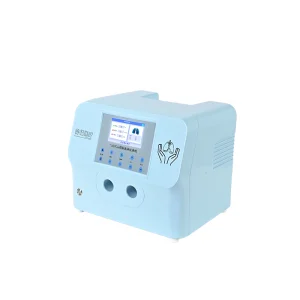
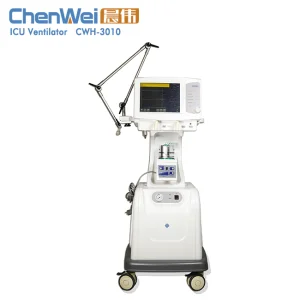
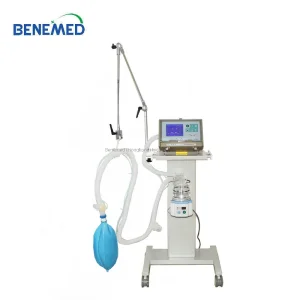
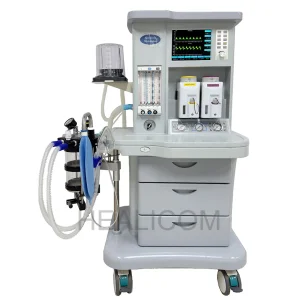
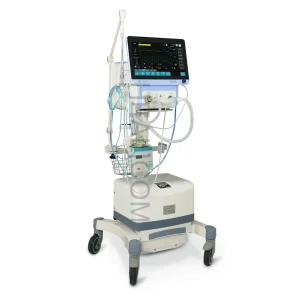
Its product portfolio includes ICU ventilators, portable ventilators, transport ventilators, emergency respiratory support systems, non-invasive ventilation devices, and intelligent patient monitoring integration solutions. The company continuously invests in product innovation and engineering development to improve ventilation performance, operational reliability, and clinical usability across diverse healthcare environments.
Supported by a dedicated R&D team and advanced manufacturing capabilities, QMS Medical implements comprehensive quality management procedures throughout product design, component sourcing, assembly, testing, and final inspection. The company is committed to delivering respiratory care solutions that support healthcare professionals in managing critical and long-term respiratory conditions.
Serving customers across Europe, North America, Asia, the Middle East, Africa, and Latin America, Hangzhou QMS Medical Co., Ltd. provides flexible OEM and ODM manufacturing services to meet different market requirements. Through continuous technological advancement and customer-focused development, the company aims to contribute to the global healthcare industry by providing reliable, efficient, and innovative respiratory care equipment for modern medical applications.
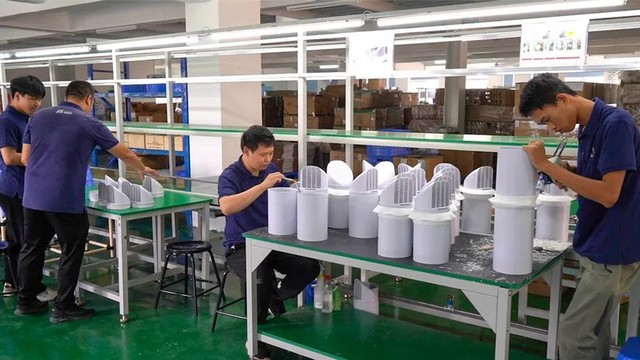
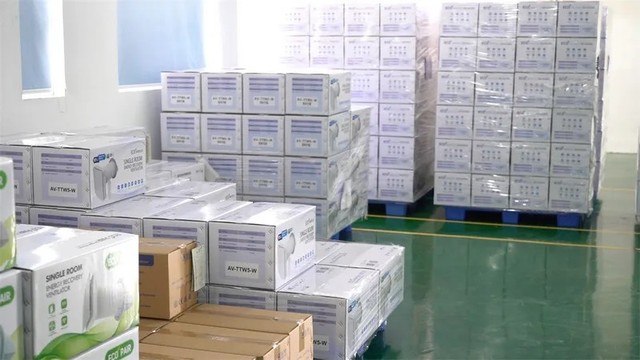

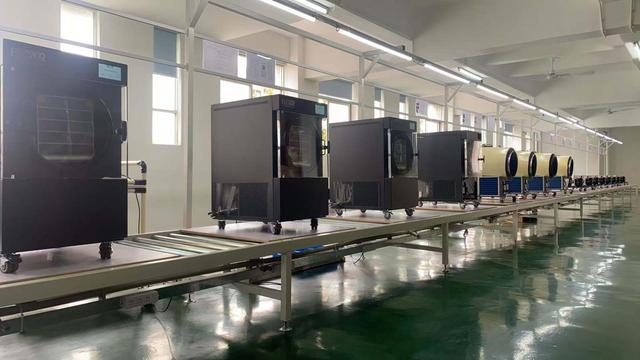
By integrating precision manufacturing with international medical certifications, we provide healthcare systems with the infrastructure required to save lives. Our facility is engineered for continuous quality output and high-volume deployment.
Why regulatory alignment and clinical evidence constitute the foundation of QMS Medical operations.
Navigating the transition from MDD to EU MDR (Regulation EU 2017/745) requires intensive technical file preparation, strict clinical evaluation reports, and post-market clinical follow-up (PMCF). Our medical supplies and ventilators adhere to Class IIb and Class III requirements, ensuring patient safety in critical ICU environments.
Our Quality Management System is built specifically for medical devices. Every phase of production, from raw material inspection (pressure sensors, proportional valves, microfluidic chips) to software integration and environmental stress testing, is logged and traceable to comply with global audits.
Unlike standard generic manufacturers, QMS Medical incorporates dual-channel air-oxygen blenders, precise airway pressure tracking algorithms (PEEP control, pressure support ventilation), and advanced heat-exchange recovery systems, generating empirical data to assist clinical decisions.
How Hangzhou's advanced industrial infrastructure optimizes product reliability and global distribution.
Hangzhou is situated at the center of China’s most advanced precision electronic and medical device manufacturing hub. This spatial distribution allows QMS Medical to establish rapid supply chain integration. Critical medical-grade sub-assemblies, including high-performance EC motors, low-noise blowers, biocompatible airway plastics, and high-frequency solenoid valves, are sourced and processed within a 150-kilometer radius, significantly reducing time-to-market and lowering shipping costs for raw components.
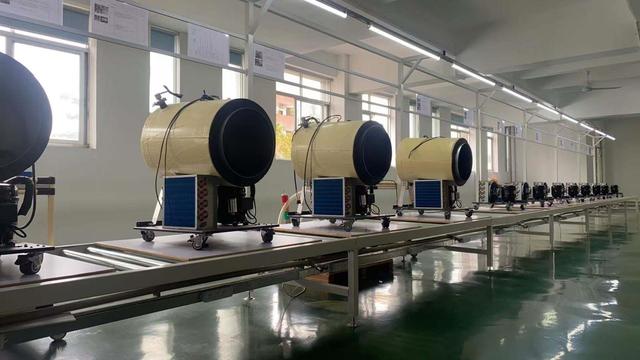
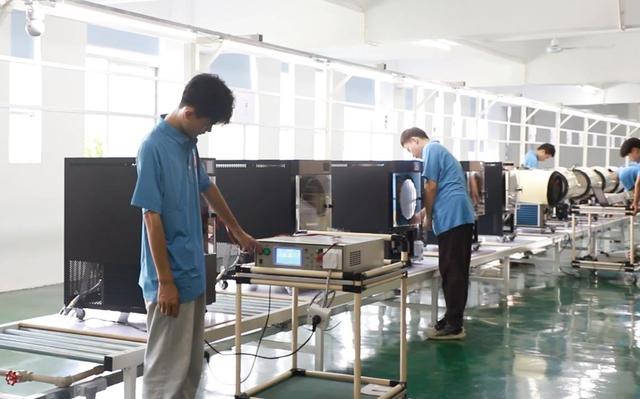
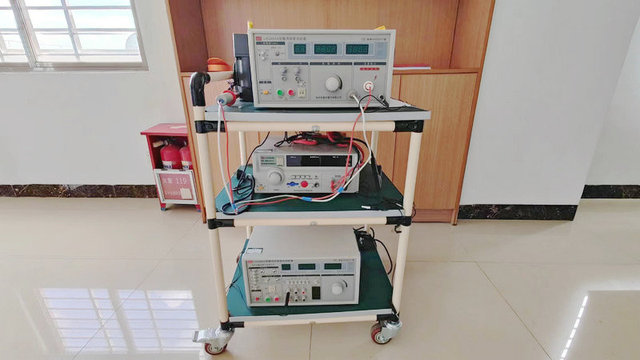
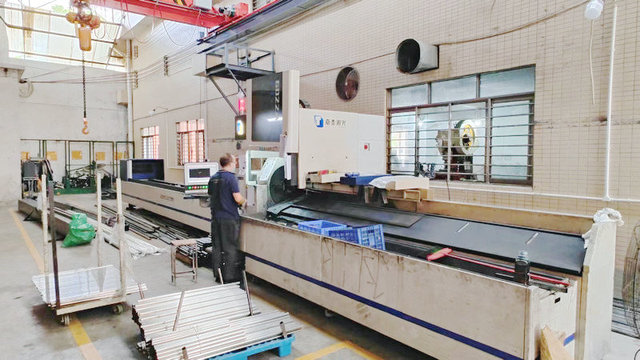
While maintaining standard labor-cost efficiencies, QMS Medical prioritizes automated assembly lines and advanced sensor validation technologies. The inclusion of high-accuracy automated calibration stations for volume and pressure verification guarantees that every critical respirator or ventilator meets exact clinical benchmarks. This balance enables premium-tier device distribution at competitive price structures, lowering financial barriers for national healthcare institutions, NGOs, and regional hospital networks.
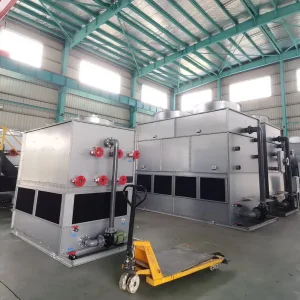
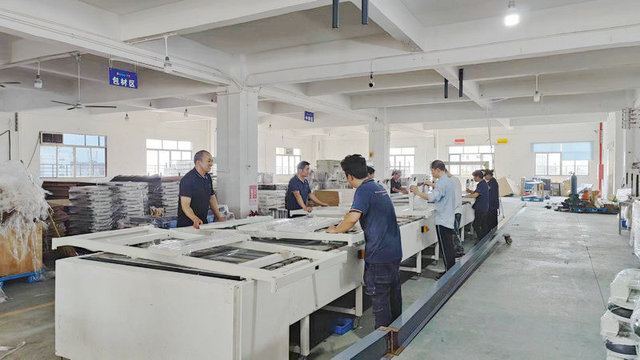
With a 10,000-square-meter facility, QMS Medical features modular production lines that can scale output in response to global epidemics, respiratory disease surges, or governmental procurement campaigns. Our internal resource planning ensures a stable lead time for high-volume orders, securing safety stocks and immediate dispatch capacities for transportable mechanical ventilators and airway clearance devices.
Developing hardware schemas, proprietary software algorithms, and pneumatic paths tailored for clinical security.
Leveraging Hangzhou's electronic and precision sensor supply chain to source certified biomedical components.
Assembling ventilator pneumatic modules, sensors, and microcontrollers in a cleanroom-standard environment.
Running individual unit testing with artificial lung systems to verify volume, pressure compliance, and alarms.
Understanding the shift towards intelligent, decentralized, and highly responsive respiratory therapy.
The modern emergency medical space is transitioning from static mechanical ventilation to intelligent closed-loop algorithms. Modern ICU ventilators must continuously analyze real-time patient compliance, airway resistance, and end-tidal CO2 levels to dynamically adjust support pressures. This optimization reduces the risk of ventilator-induced lung injury (VILI) and aids the patient weaning process, directly decreasing length of stay in intensive care units.
Whether navigating intra-hospital transport or responding to out-of-hospital emergencies (ambulances, helicopters), emergency medical personnel require robust, light-weight respiration solutions. Modern devices combine internal turbine technologies with long-lasting battery setups, eliminating dependence on external high-pressure gas cylinders and wall power supplies during critical transit windows.
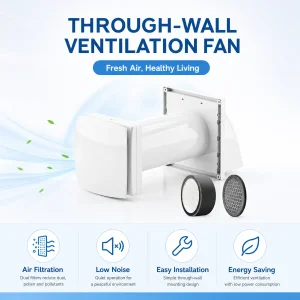
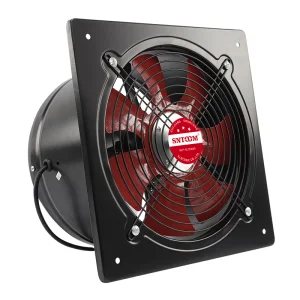
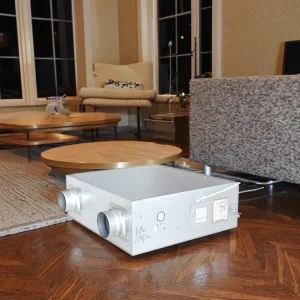
The integration of Heat Recovery Ventilators (HRV) with indoor environmental controls represents a growing trend in infection mitigation. Hospital wards, isolation chambers, and recovery clinics increasingly deploy smart dual-channel fresh air ventilation systems with EC motors. These systems minimize cross-contamination risks by exchanging stale air while recovering thermal energy, balancing patient health with facility operational efficiency.
Adapting high-performance respiratory engineering to meet the operational demands of diverse clinical settings.
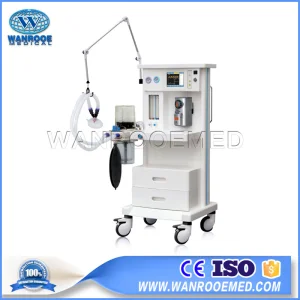
Deployment of advanced mechanical ventilation units configured for invasive respiratory therapies. Key parameters include continuous PEEP optimization, synchronized intermittent mandatory ventilation (SIMV), and real-time wave analytics to support patients facing ARDS or respiratory failure.
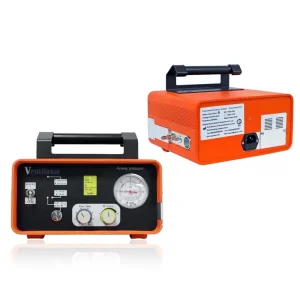
Rugged, compact, and highly reliable transport ventilators engineered to withstand road vibration and extreme climates. Built-in air-oxygen mixers and robust internal power cells ensure continuous life support from the field to the emergency room.
Specialized respiratory control systems built for veterinary ICU settings. Adjusting tidal volumes and pressure profiles to accommodate small animals requires highly sensitive low-volume valves and specialized pressure-control loops to avoid barotrauma.
Actionable guidelines for procurement officers, medical distributors, and ministry stakeholders.
B2B procurement teams must assess a factory's capability to deliver tailored hardware and software solutions. QMS Medical provides extensive OEM/ODM support, including customized UI/UX languages, tailored pressure alarms, bespoke mounting cart designs, and custom branding integrations. This ensures full compliance with localized hospital protocols and administrative expectations.
Importing clinical devices demands comprehensive documentation. Procurement teams must request original CE certificates, ISO 13485 declarations of conformity, and technical datasheets. Partnering with a manufacturer that regularly undergoes international compliance audits minimizes customs clearance issues and ensures smooth registration with local ministries of health.
Ventilators and high-precision fresh air systems require routine calibration, sensor replacement, and maintenance. Distributors must secure long-term contracts specifying the availability of replacement oxygen sensors, cleanable airway valves, and silicone tubes, as well as access to technical training materials for hospital engineering teams.
Answering critical queries regarding medical device manufacturing, technical compliance, and procurement.
Importing clinical ventilators into Europe requires compliance with the EU Medical Device Regulation (MDR 2017/745). Manufacturers must hold a CE mark issued by an accredited Notified Body. Additionally, compliance with ISO 13485 (Medical Devices - Quality Management Systems) and specific standards like IEC 60601-1 (Electrical Safety) and ISO 80601-2-12 (Critical Care Ventilators) is mandatory.
Our pneumatic systems are engineered with high-precision digital proportional valves and calibrated flow sensors. We subject every batch to simulated artificial lung testing across diverse ventilation modes, confirming pressure stability within a variance margin of less than 1% to ensure consistent patient care.
Typical lead times range from 4 to 6 weeks depending on order volume and the level of OEM/ODM customization. Standard configured models can be shipped faster using our pre-assembled inventory reserves, which are managed within our 10,000 sqm facility.
Yes, several models in our product range feature internal high-performance turbines or built-in micro-compressors. This eliminates the necessity for external centralized medical air lines, enabling continuous ventilator operation during field transport or mobile clinic setups.
Yes. As a primary OEM/ODM manufacturer, we support complete localization of our ventilator user interfaces, including English, Spanish, French, Arabic, Portuguese, and Russian, aligning the device controls with regional medical standards.
From advanced clinical systems to residential ventilators, explore our diverse product portfolio.
 QMS Medical