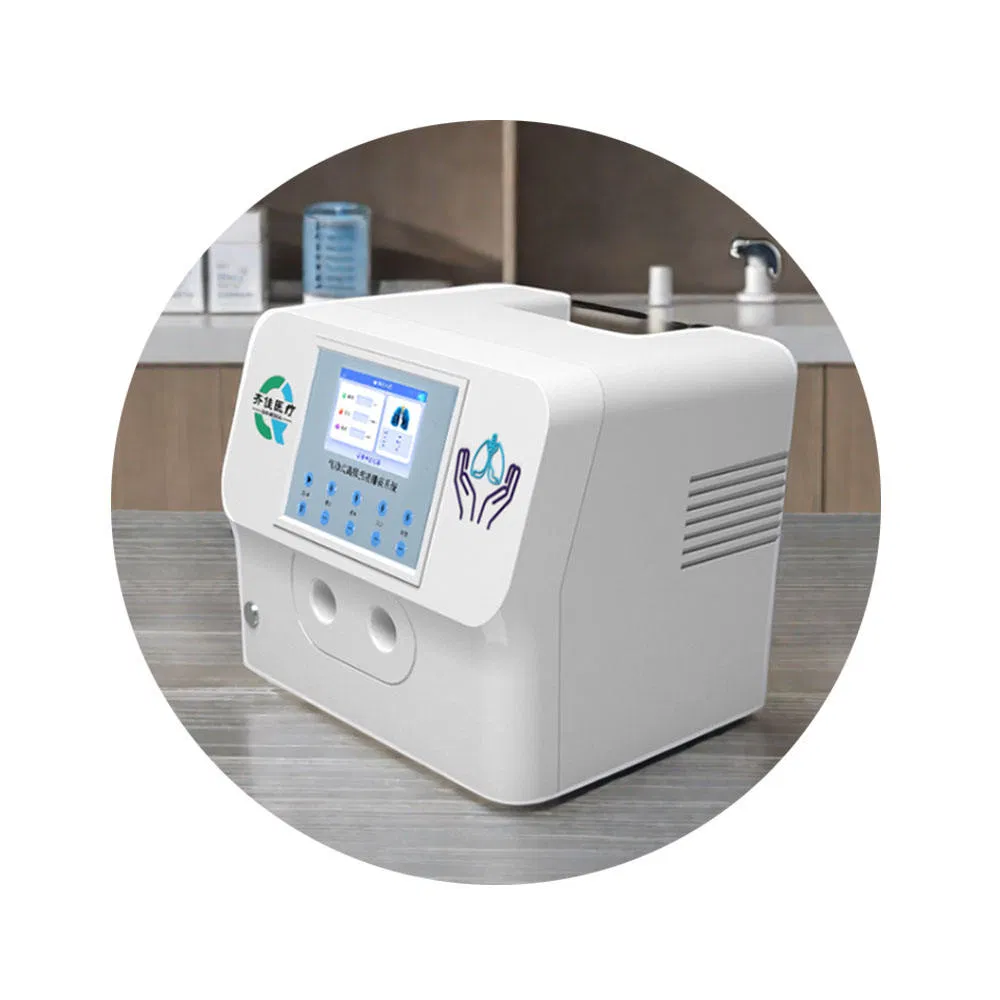
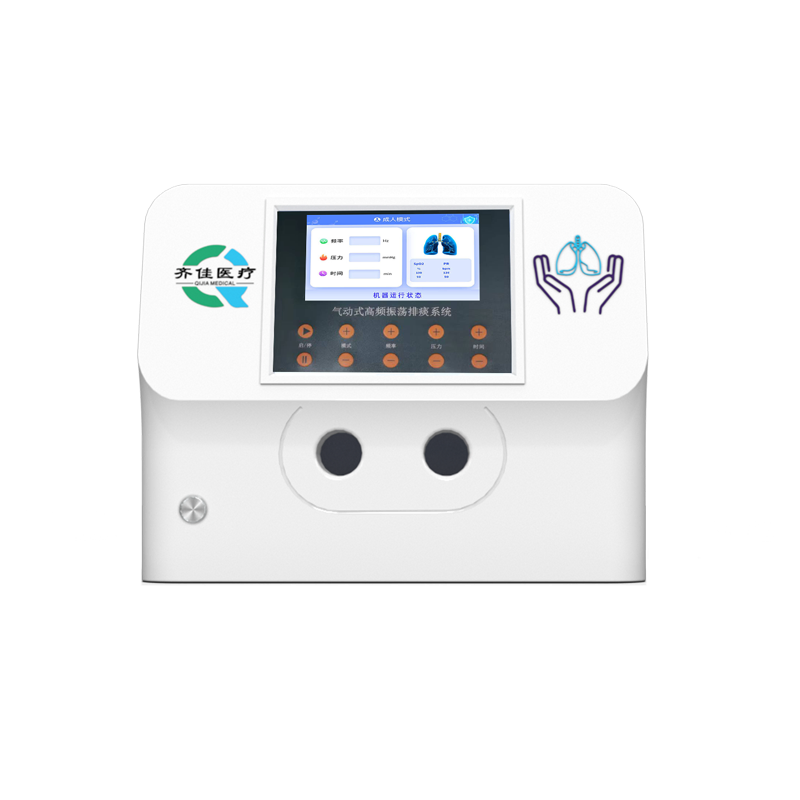
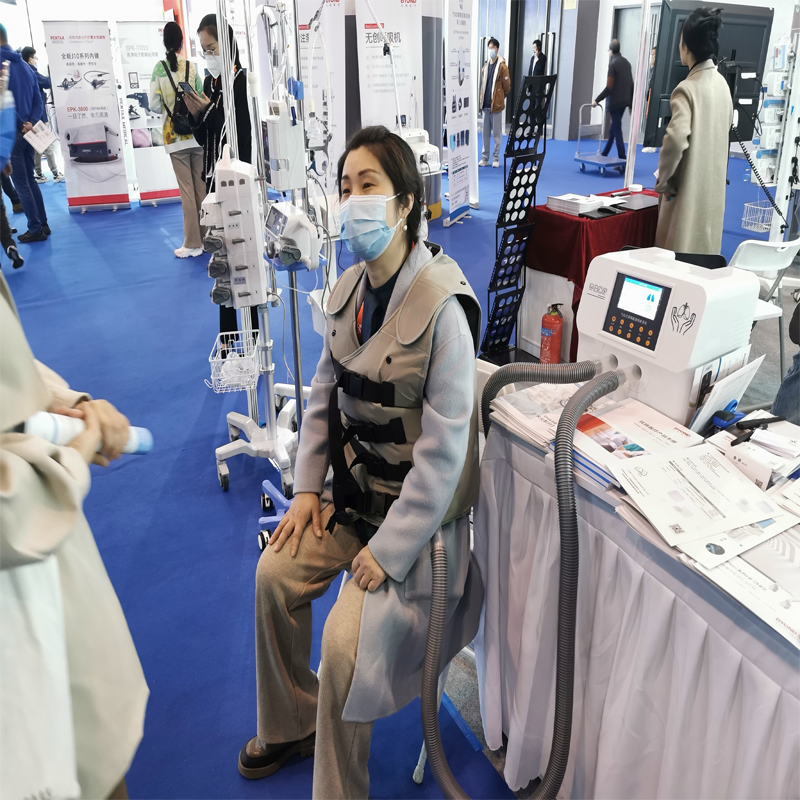
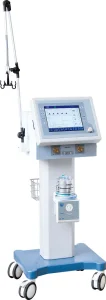
Vest Style Airway Clearance System for Infants Young Children & Elderly Rehabilitation Equipment

Product Description

Product introduction - High frequency oscillation expectoration system accessories
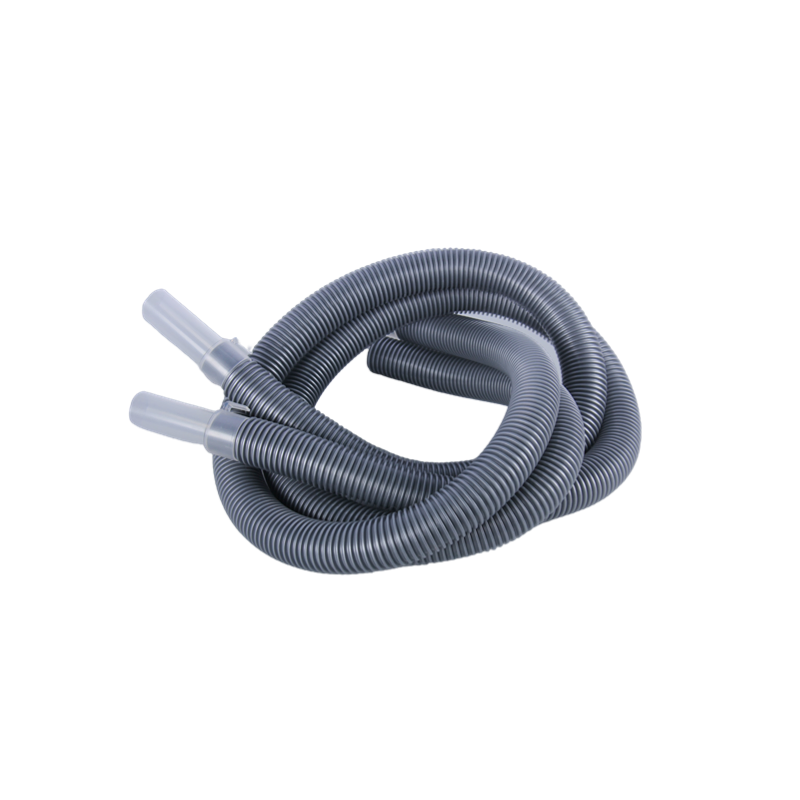
Pipeline
Pipeline
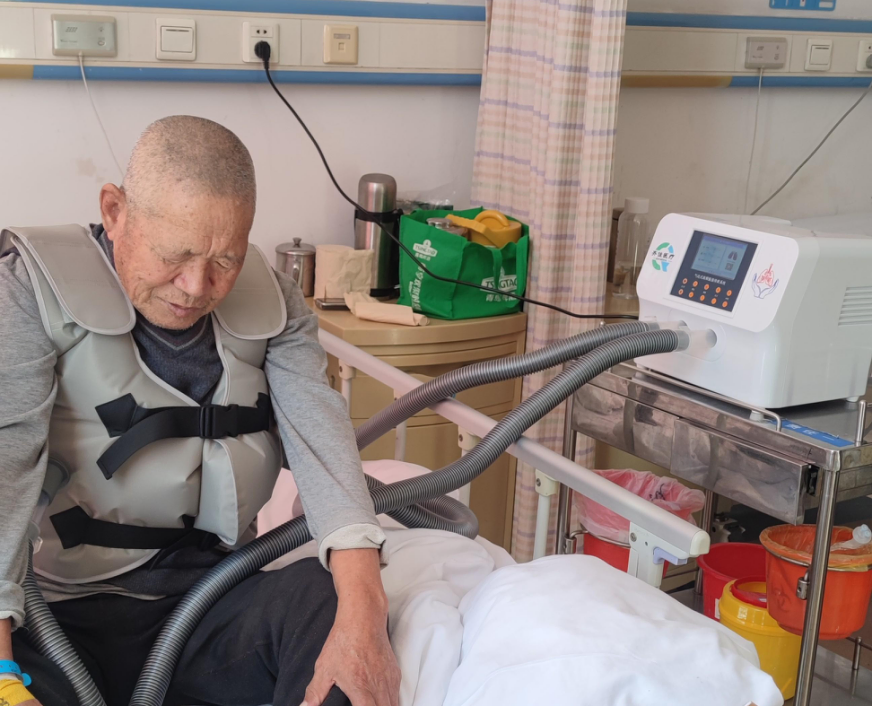
Connect the device to the vest's airway.
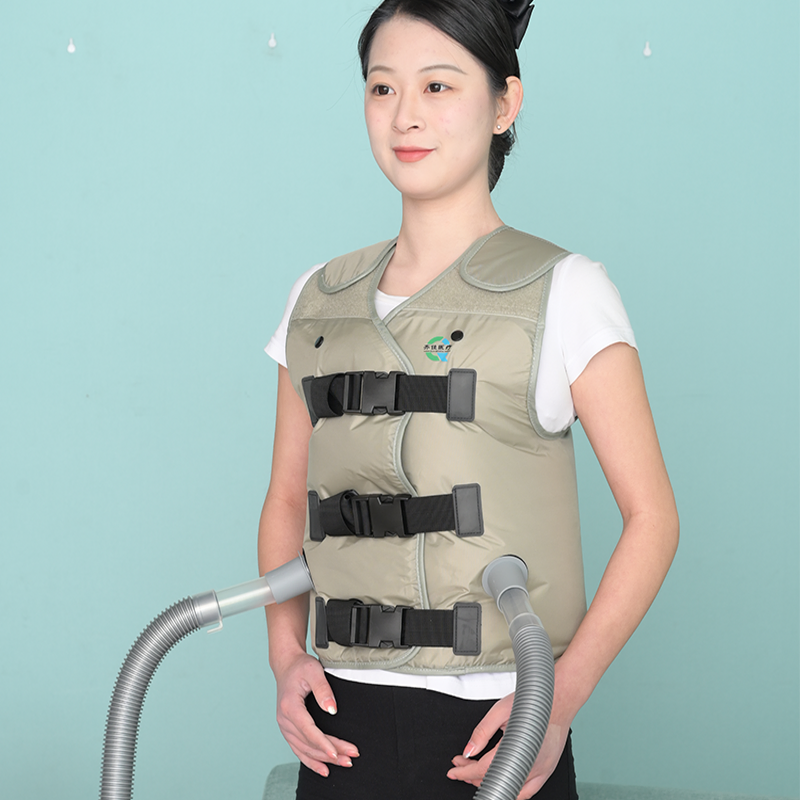
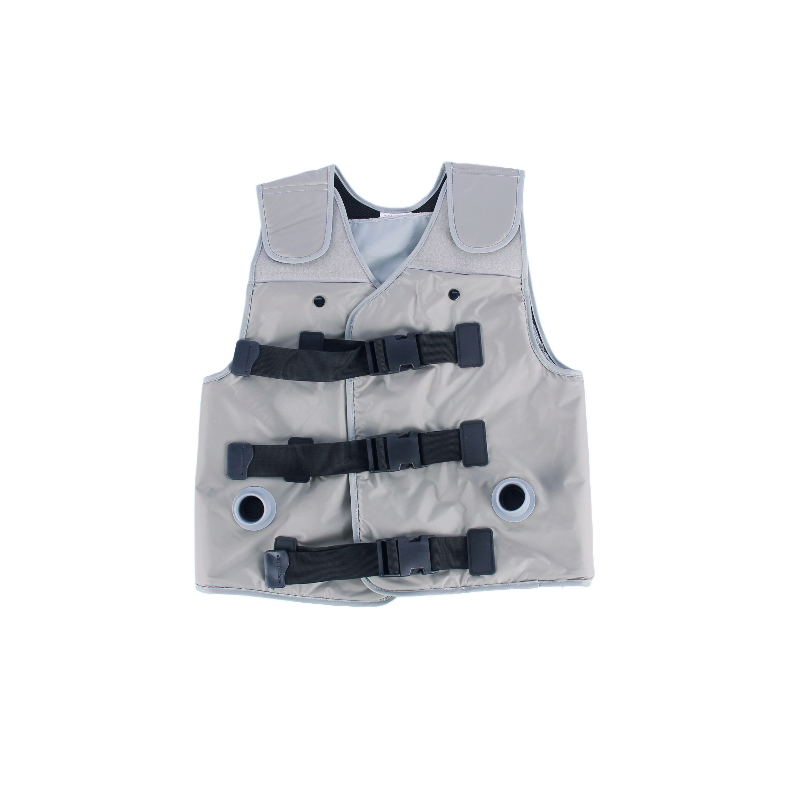
Waistcoat
Waistcoat
Detachable vest, available in different models to match various body types of patients.
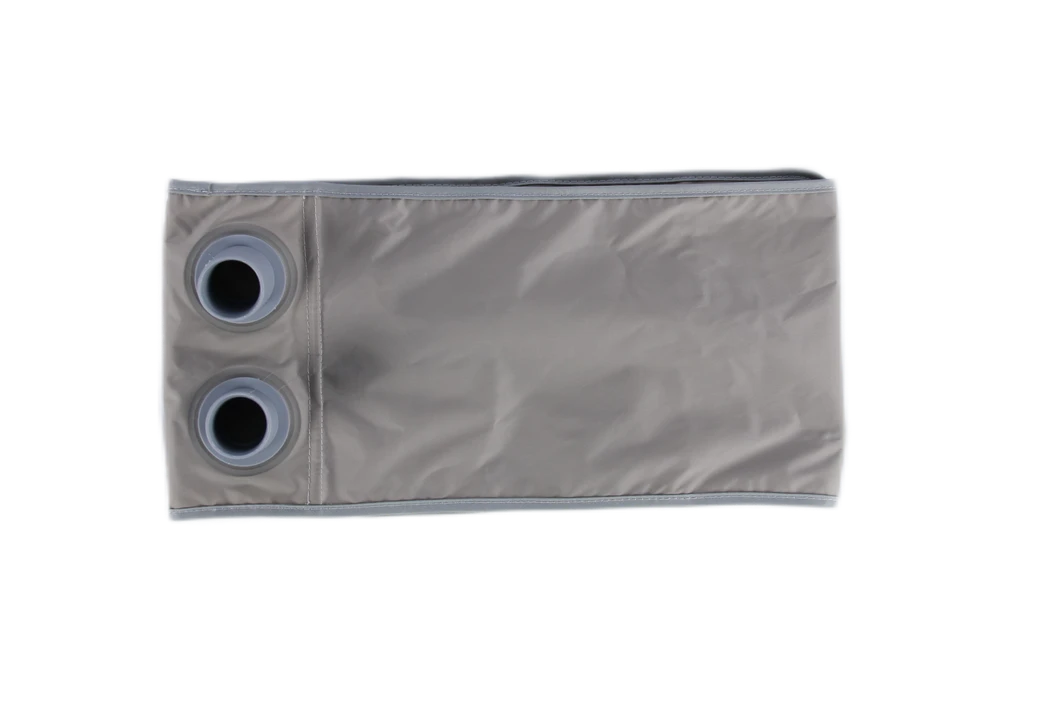
Lacing
Lacing
Half chest inflatable band designed specifically for long-term bedridden patients.
How High Frequency Oscillation Works

The pneumatic high-frequency oscillation expectoration system adopts high-frequency chest wall oscillation (HFCWO) technology. Through pulse oscillation signals, the inflatable vest produces high-speed repetitive oscillations. This promotes relaxation, liquefaction, and detachment of secretions in the deep respiratory tract and lungs.

It forms an autonomous upward airflow that moves secretions from the bronchus to the airways, allowing them to be expelled through coughing or artificial suction.
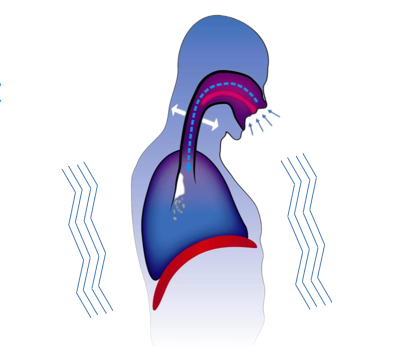
Mechanism Chart
Indications & Applicable Departments
Clinical Indications
  • Excessive or viscous sputum in the airway
  • Artificial airway or mechanical ventilation needs
  • Acute exacerbation of COPD, atelectasis, or pulmonary infection
  • Bronchiectasis and cystic pulmonary fibrosis
  • Elderly, infirm, and bedridden patients
  • Post-surgery pain causing weak cough
  • Pediatric pneumonia, myasthenia gravis, and occupational lung disease
Applicable Departments
Pneumology
Oncology
General Surgery
ICU
Neurology
Pediatrics
Geriatrics
Emergency
Clinical Application & Data Analysis

Table 1: Comparison of Expectoration Amount (n=30)

Group Day 1 Day 2 Day 3
HFCWO Group 43.97±9.62 49.20±12.54 48.07±10.25
Vibration Group 34.70±10.56 36.93±11.02 36.63±11.62
Conclusion: High frequency oscillation expectoration system is superior to traditional vibration instruments. It significantly reduces the workload of nursing staff and is highly effective for clinical promotion.
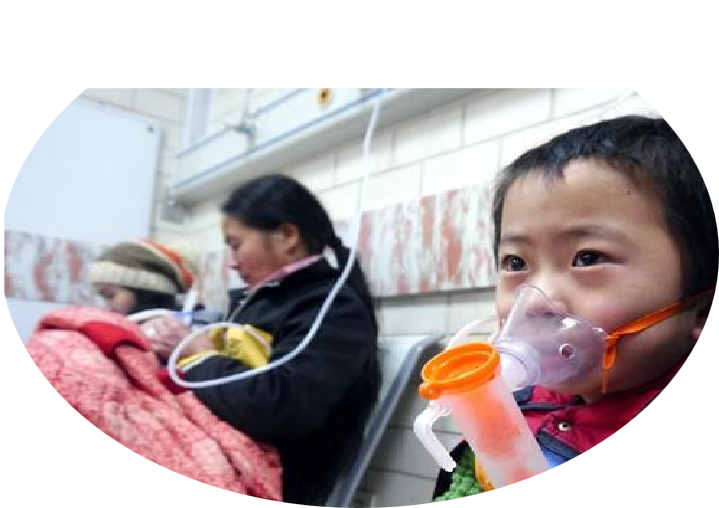
Comparison with Common Methods
Drugs
Expectorant Drugs
Cons: Long-term use may cause damage; still requires autonomous expulsion ability from the patient.
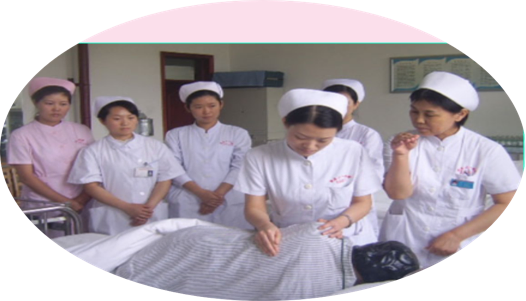
Hand Patting
Hand Back Pat
Cons: Position-dependent, only surface-level action, labor-intensive for staff.
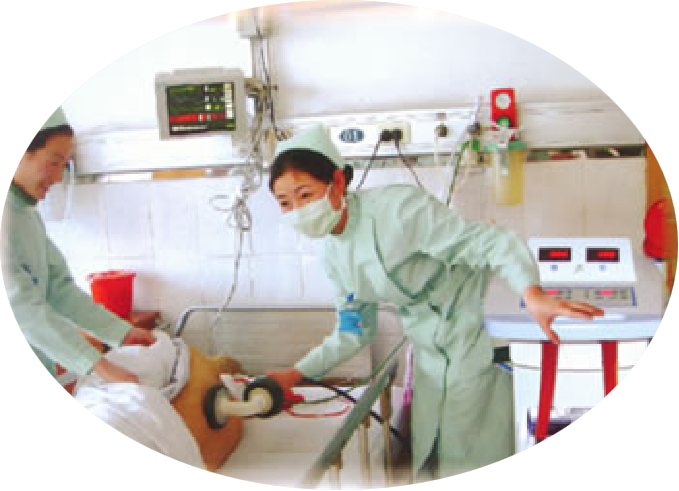
Vibrating Dispenser
Vibrating Sputum Dispenser
Cons: Does not reduce nursing workload; heavy equipment can cause wrist injuries.
Core Advantages of the HFCWO System
⭐ Efficient

More obvious expectoration effect compared to similar mechanical methods.

⭐ Save Labour

Reduces nursing workload by removing the need for real-time manual operation.

⭐ Comfort

Easy to wear, no specific patient positioning required, ensuring patient comfort.
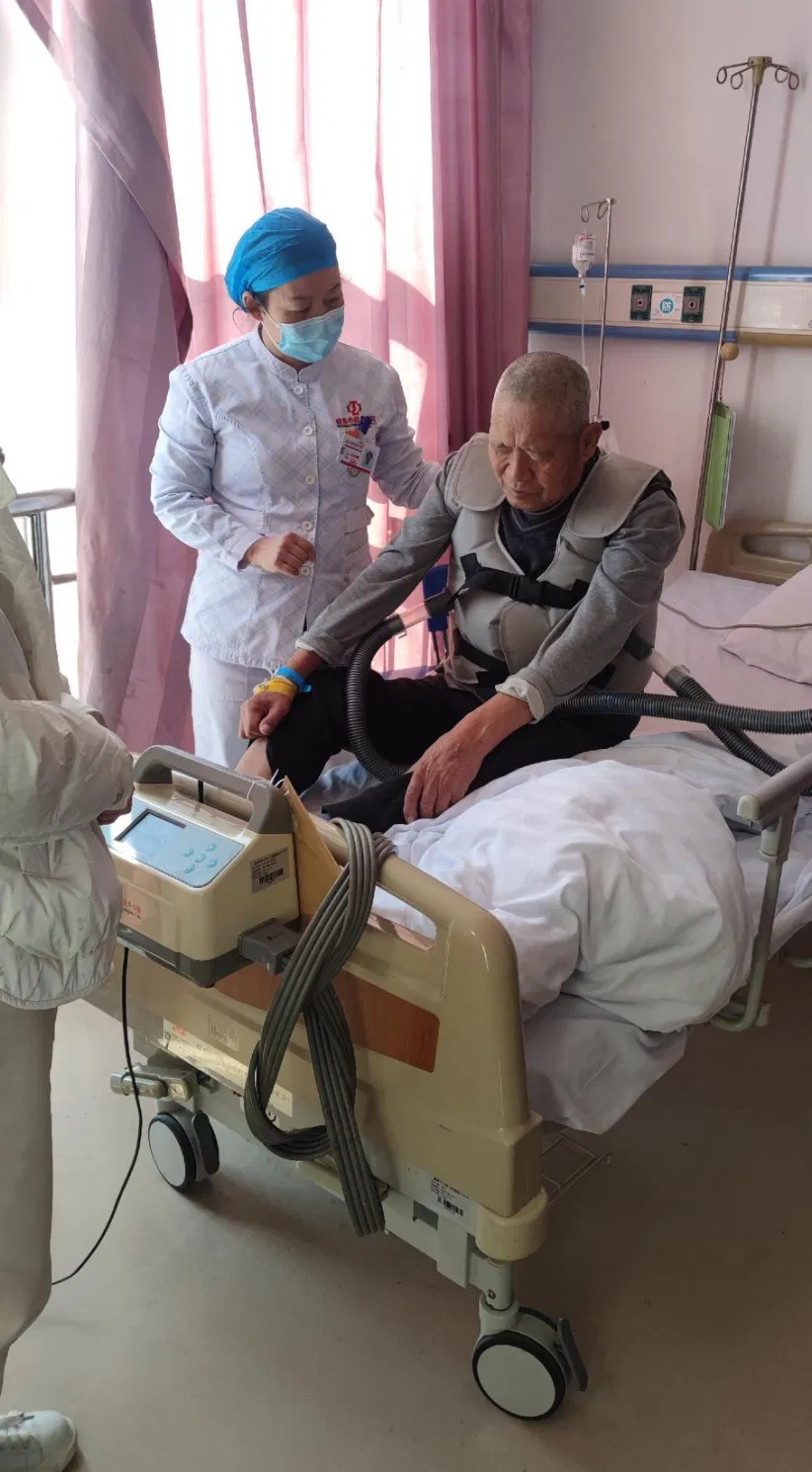
Usage Case & Safety Precautions
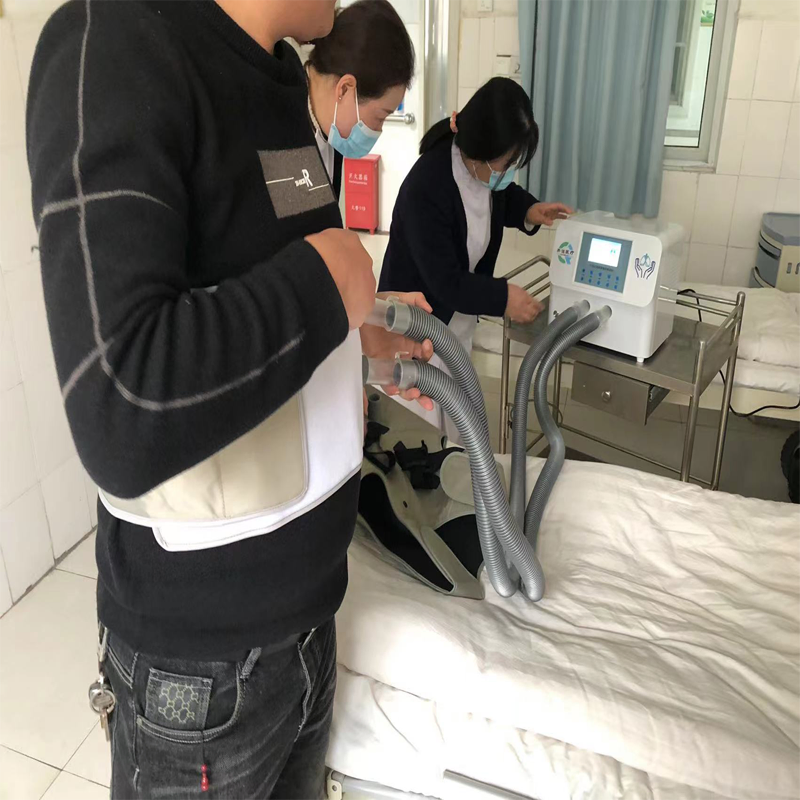
Case 1
Case 2
  • Patient should wear a cotton T-shirt under the chest strap.
  • Pause every 5 to 10 minutes to allow the patient to cough.
  • Best performed in a sitting position, 30 mins before or 2 hours after meals.
  • Clean the vest with detergent and diluted disinfectant.
  • For infectious cases, use dedicated individual vests.
Frequently Asked Questions (FAQ)
Q1: What is High-Frequency Chest Wall Oscillation (HFCWO) technology?
A: It is a non-invasive physical therapy that uses rapid air pulses to vibrate the chest wall, thinning and loosening mucus in the lungs so it can be cleared easily.
Q2: Can the vest be used for children and the elderly?
A: Yes, the system is designed with adjustable settings and various vest sizes, making it suitable for everyone from newborns to the elderly.
Q3: How does it help medical staff?
A: Unlike manual percussion or vibrating dispensers, this system is automated. It frees nurses from physical labor and allows them to attend to other patient needs.
Q4: Is it necessary to maintain a specific posture during treatment?
A: While the system is effective in any position, a sitting position is recommended for the best results in sputum expulsion.
Q5: How should the vest be cleaned?
A: Regular household detergents and diluted disinfectants are recommended. For tough stains, a soft brush can be used after wetting the area.
Q6: What are the primary clinical benefits?
A: Clinical studies show improved oxygen saturation (SpO2), reduced respiratory rates, and a significantly higher volume of expectoration compared to traditional methods.

Related Products