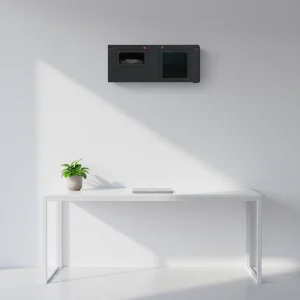
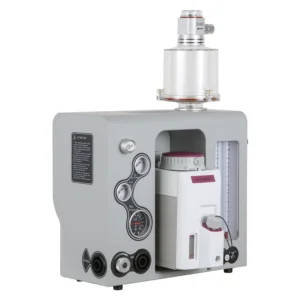
Engineered for high performance, continuous diagnostic accuracy, and robust operation in diverse clinical environments.
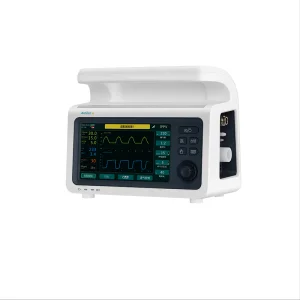
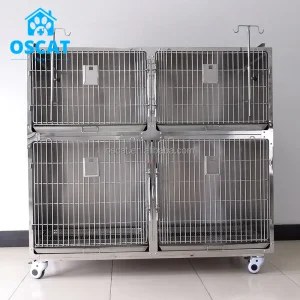
Strategic analysis of critical care distribution, supply chain constraints, and technological transformations within Southern African medical ecosystems.
Namibia's healthcare infrastructure is navigating a critical transitional phase. Spanning vast geographical territories with highly dispersed populations, the delivery of high-quality intensive care services presents distinct challenges. Major urban centers, particularly Windhoek, house primary tertiary facilities such as the Windhoek Central Hospital and Katutura State Hospital, alongside highly sophisticated private institutions like Lady Pohamba Private Hospital. However, rural regions—extending from the arid zones of the south to the densely populated northern provinces—experience disparities in medical equipment distribution, technical support, and diagnostic access.
Intensive Care Units (ICUs) are the cornerstone of any nation’s healthcare system. The demand for reliable mechanical ventilation in Namibia has risen steadily, spurred by the need to manage respiratory failures, trauma cases from major national transit routes, and surgical post-operative recovery. To bridge the gap between urban centers and remote clinics, the Namibian Ministry of Health and Social Services (MoHSS), alongside private healthcare partnerships, is aggressively upgrading local clinics with robust, highly adaptable medical equipment capable of operating under demanding environmental conditions.
Because Namibia does not possess domestic high-tech medical electronic manufacturing facilities, the country relies entirely on importing medical hardware. The supply chain for mechanical ventilators involves complex coordination among global manufacturers, localized regulatory bodies, and regional distributors.
Procurement managers in Namibian hospitals must evaluate total cost of ownership (TCO). This includes not only the initial capital expenditure (CapEx) but also operating expenditures (OpEx), which cover replacement parts, specialized consumables (such as breathing circuits and expiratory valves), regular calibration, and preventative maintenance. Importing equipment into Namibia requires adherence to regulations set by the Namibia Medicines Regulatory Council (NMRC), ensuring all imported hardware meets stringent international quality marks like CE, ISO 13485, or FDA clearance.
Modern intensive care ventilation is shifting toward intelligent, adaptive closed-loop systems. Rather than relying on rigid, preset volume or pressure parameters, modern ventilators continuously analyze patient lung compliance and airway resistance. These metrics allow the system to dynamically adjust pressure, tidal volume, and respiratory rate to minimize ventilator-induced lung injury (VALI).
Another key global trend is the integration of High-Flow Nasal Cannula (HFNC) and Non-Invasive Ventilation (NIV) within standard ICU ventilators. This multi-modality approach enables clinicians to transition patients smoothly from invasive intubation to non-invasive support using the same machine, optimizing equipment utilization and patient comfort.
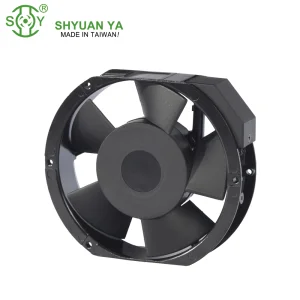
Understanding how precision engineering, digital supply chains, and advanced testing mechanisms guarantee reliability under the harshest operational conditions.
Geographic isolation and logistical distance from major manufacturing hubs present challenges for Namibia. If a critical component in an ICU ventilator fails, local sourcing options are limited. This underscores the need for high-quality, reliable medical hardware at the point of origin, backed by a resilient, responsive supply chain.
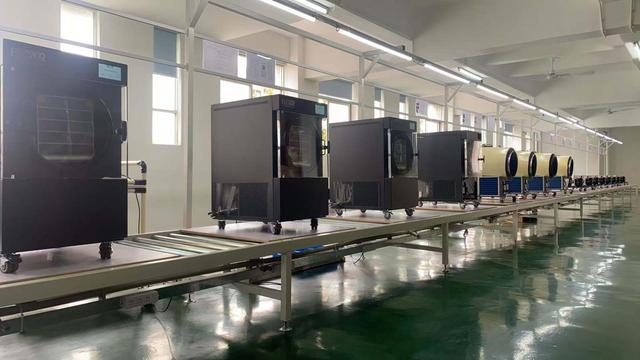
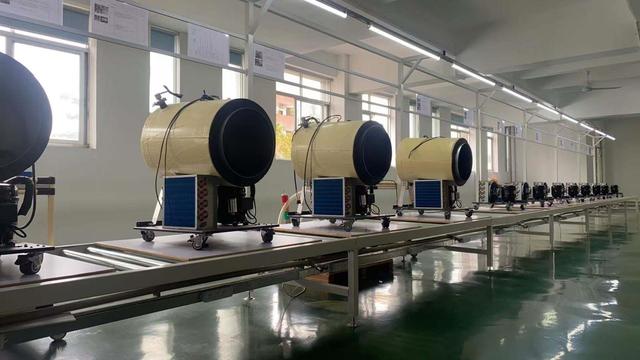
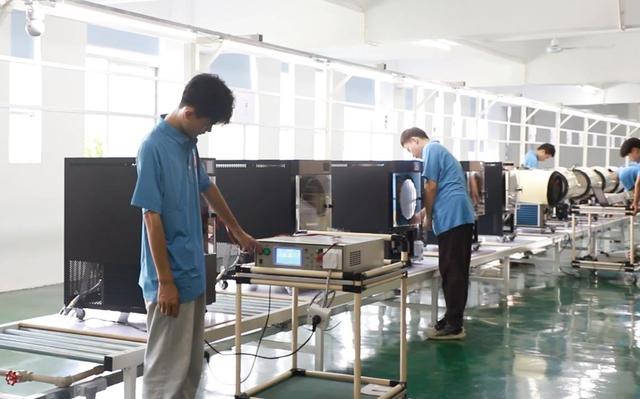
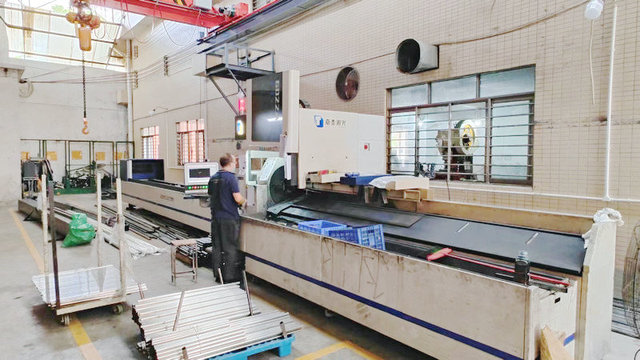
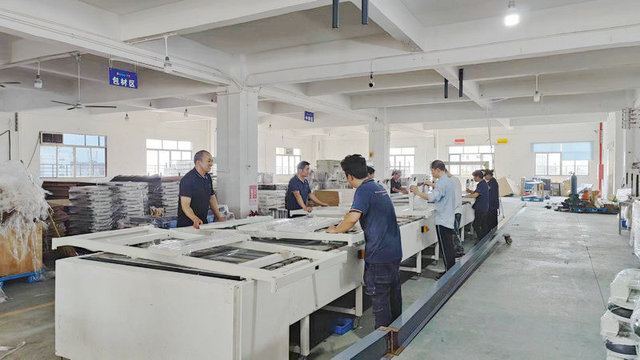
China's Factory 4.0 medical manufacturing facilities leverage advanced digital technology, automated precision assembly lines, and comprehensive quality assurance systems to deliver dependable respiratory equipment. Vertical integration within China’s medical manufacturing zones, such as the Yangtze River Delta, enables rapid component sourcing and strict tolerance controls. For Namibian healthcare buyers, this translates into shorter production lead times, immediate access to spare parts, and highly competitive pricing.
Namibia's geography features unique challenges, including high altitudes in Windhoek (exceeding 1,600 meters above sea level) and arid, dusty conditions across the Namib Desert. Medical equipment must be engineered to withstand these variations. Dry, dusty air can compromise sensitive sensor arrays and damage cooling systems in standard medical ventilators.
To address this, advanced manufacturers utilize high-grade dust filtration systems, durable ball-bearing cooling fans, and high-precision electronic oxygen-air mixing systems that adjust for changes in atmospheric pressure. By incorporating heavy-duty components and advanced thermal management, these systems remain functional even in non-air-conditioned clinical settings and remote field hospitals.
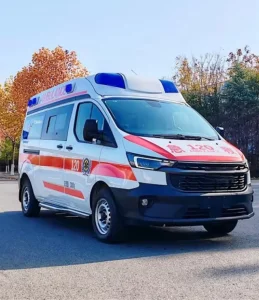
Modern respiratory equipment is designed for diverse clinical applications. Intensive care ventilators support human clinical settings, while specialized transport systems provide respiratory support in mobile ambulances traversing Namibia's long highway networks.
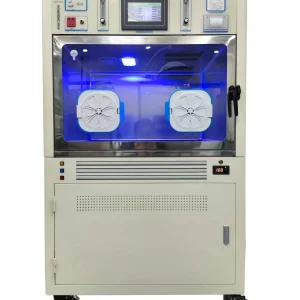
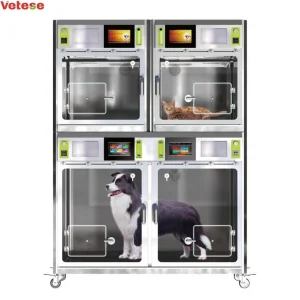
Additionally, Namibia’s wildlife conservation efforts and commercial farming sectors require advanced veterinary support. Wildlife sanctuaries and veterinary clinics in Windhoek utilize veterinary-specific intensive care units equipped with integrated CO2 monitoring and automatic ventilation. This specialized technology supports delicate procedures on exotic and domestic animals, reflecting the versatile, multi-dimensional nature of modern respiratory equipment.
A trusted global leader in medical ventilator manufacturing, quality control, and clinical innovation.
Hangzhou QMS Medical Co., Ltd. is a professional manufacturer specializing in medical ventilators, ICU ventilation systems, and respiratory care equipment for healthcare institutions worldwide. Established in 2015, the company is located in Hangzhou, China, a city recognized for its strong medical technology and advanced manufacturing industries.
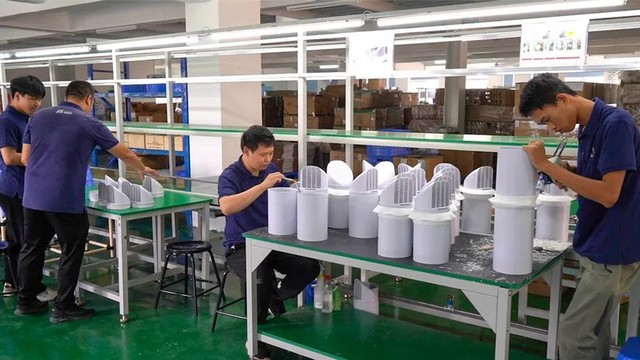
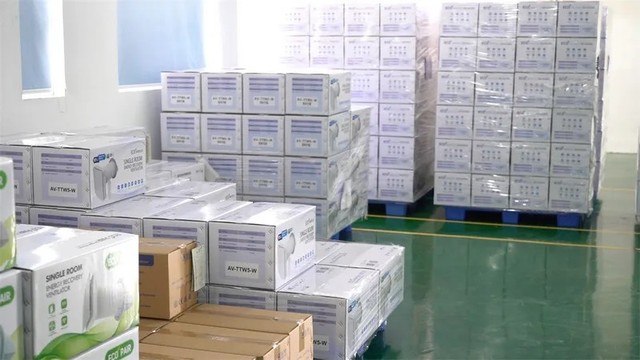
The company operates a modern production facility covering approximately 10,000 square meters and employs more than 220 skilled professionals, including engineers, technicians, and quality management specialists. QMS Medical focuses on the research, development, production, and supply of respiratory support technologies designed for hospitals, intensive care units, emergency departments, ambulance services, and home healthcare applications.
Its product portfolio includes ICU ventilators, portable ventilators, transport ventilators, emergency respiratory support systems, non-invasive ventilation devices, and intelligent patient monitoring integration solutions. The company continuously invests in product innovation and engineering development to improve ventilation performance, operational reliability, and clinical usability across diverse healthcare environments.
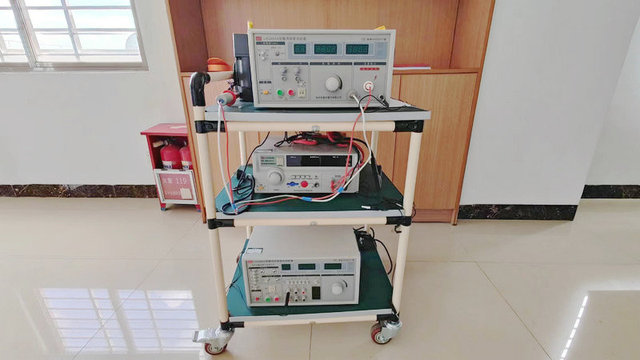
Supported by a dedicated R&D team and advanced manufacturing capabilities, QMS Medical implements comprehensive quality management procedures throughout product design, component sourcing, assembly, testing, and final inspection. The company is committed to delivering respiratory care solutions that support healthcare professionals in managing critical and long-term respiratory conditions.
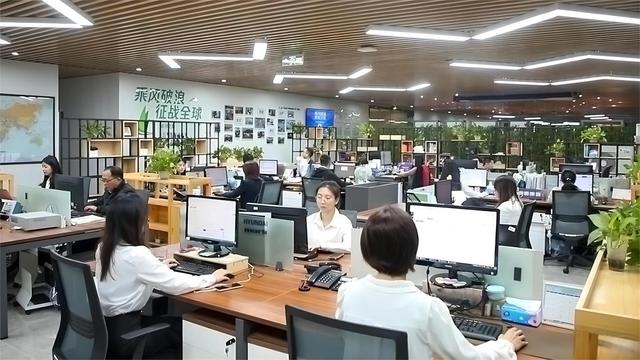
Serving customers across Europe, North America, Asia, the Middle East, Africa, and Latin America, Hangzhou QMS Medical Co., Ltd. provides flexible OEM and ODM manufacturing services to meet different market requirements. Through continuous technological advancement and customer-focused development, the company aims to contribute to the global healthcare industry by providing reliable, efficient, and innovative respiratory care equipment for modern medical applications.
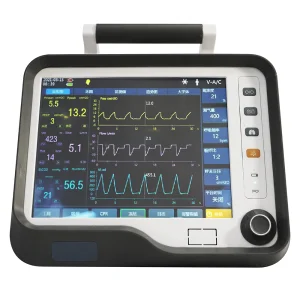
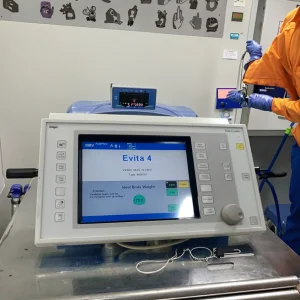
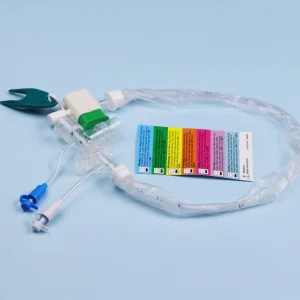
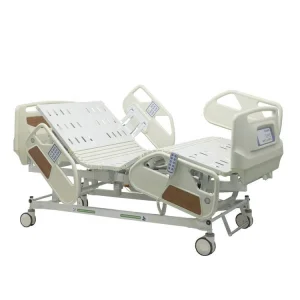
Explore our extensive range of clinical ventilators, patient-monitoring systems, ICU infrastructure hardware, and consumables optimized for Southern African deployment.
Expert answers addressing importation compliance, operational resilience, localized support, and mechanical configurations for Southern African buyers.
Consult with our product engineering team to receive customized configurations, technical specifications, and bulk pricing options tailored for Namibian medical facilities.
Send Inquiry Now QMS Medical