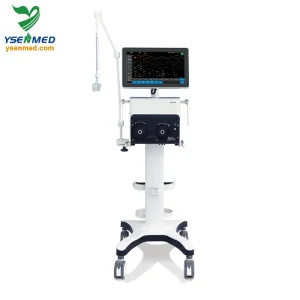
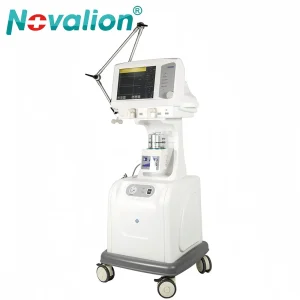
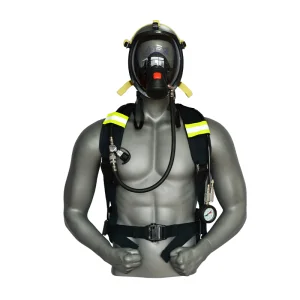
Advanced Critical Care and Emergency Respiratory Equipment
The global ventilation pressure monitor market is experiencing a paradigm shift. With an aging global population and a heightened focus on post-pandemic respiratory preparedness, the demand for high-precision monitoring has transcended hospital settings into industrial and home-care environments.
Modern manufacturing requires strict adherence to ISO 13485 and CE certifications. As a leading supplier, we ensure that every pressure monitor and ventilation unit meets the rigorous safety requirements of both the medical and industrial safety sectors (PPE).
Technological convergence between IoT and respiratory care is projected to drive a CAGR of 7.4% through 2030. Real-time data visualization and cloud-based patient management are no longer "optional extras" but core industry requirements.
Establishing Authority through Engineering Excellence
At Hangzhou QMS Medical Co., Ltd., we understand that ventilation pressure monitoring is the thin line between recovery and clinical crisis. Our technical roadmap focuses on three core pillars: Sensor Accuracy, AI-Driven Predictive Analysis, and User-Centric Design.
Moving beyond simple barometric sensors, our next generation of monitors utilizes MEMS (Micro-Electro-Mechanical Systems) technology. This allows for microscopic precision in detecting airway resistance and lung compliance changes in real-time.
We are pioneering the use of machine learning algorithms that analyze breathing patterns to predict "patient-ventilator asynchrony." This reduces the need for heavy sedation and speeds up the weaning process in ICU environments.
The future is mobile. Our roadmap includes shrinking the footprint of high-flow oxygen therapy and BIPAP systems, making "hospital-grade" ventilation accessible for home recovery and emergency field transport.
Full integration with hospital HIS/EMR systems. Our monitors provide centralized dashboards for nursing stations to track multiple patients' lung mechanics simultaneously.
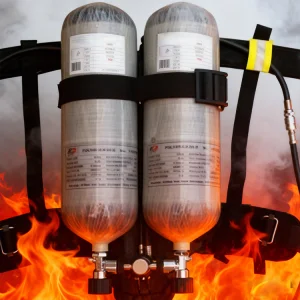
High-temperature resistant breathing apparatus and positive pressure respirators designed for IDLH (Immediately Dangerous to Life or Health) environments, ensuring worker safety in chemical and fire sectors.
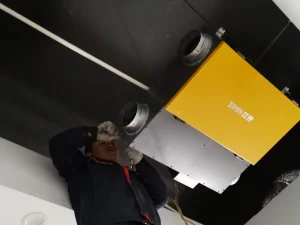
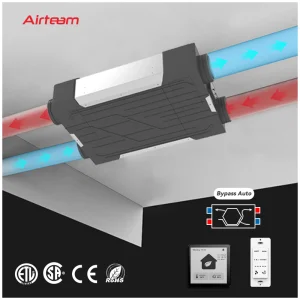
Combining medical-grade HEPA filtration with ERV (Energy Recovery Ventilation) to create "Smart Home" environments that monitor and maintain positive air pressure to repel pollutants.
Hangzhou QMS Medical Co., Ltd. is a professional manufacturer specializing in medical ventilators, ICU ventilation systems, and respiratory care equipment for healthcare institutions worldwide. Established in 2015, the company is located in Hangzhou, China, a city recognized for its strong medical technology and advanced manufacturing industries.
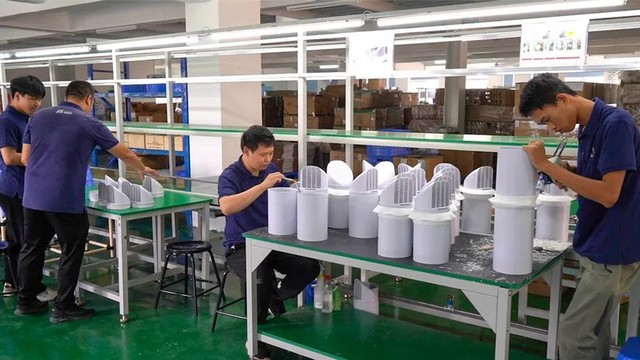
The company operates a modern production facility covering approximately 10,000 square meters and employs more than 220 skilled professionals, including engineers, technicians, and quality management specialists. QMS Medical focuses on the research, development, production, and supply of respiratory support technologies designed for hospitals, intensive care units, emergency departments, ambulance services, and home healthcare applications.
Supported by a dedicated R&D team and advanced manufacturing capabilities, QMS Medical implements comprehensive quality management procedures throughout product design, component sourcing, assembly, testing, and final inspection.
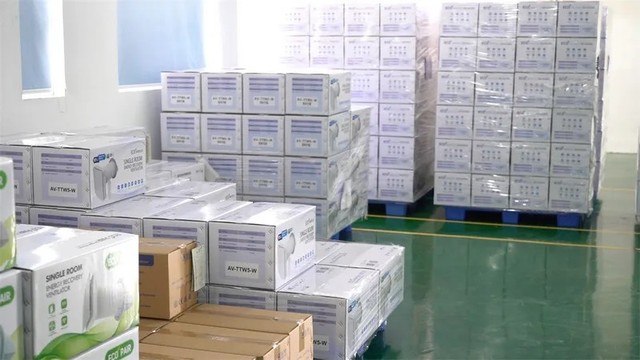

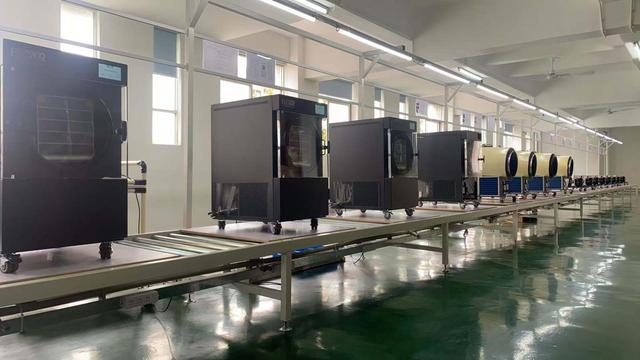
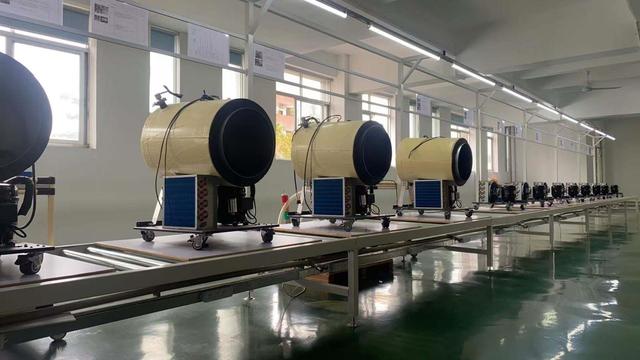
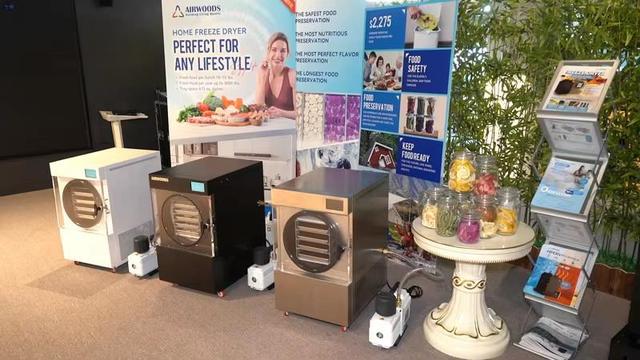
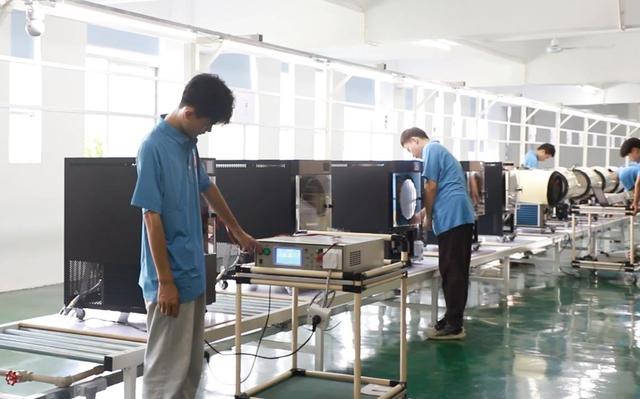
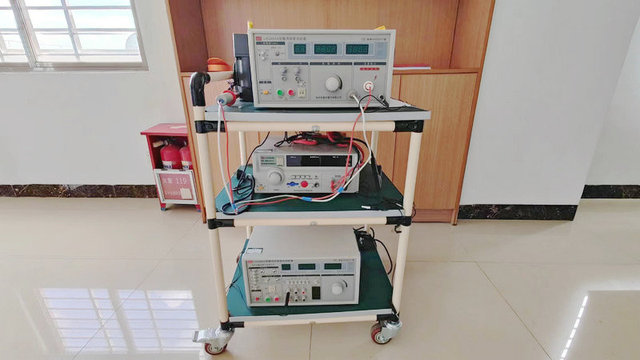
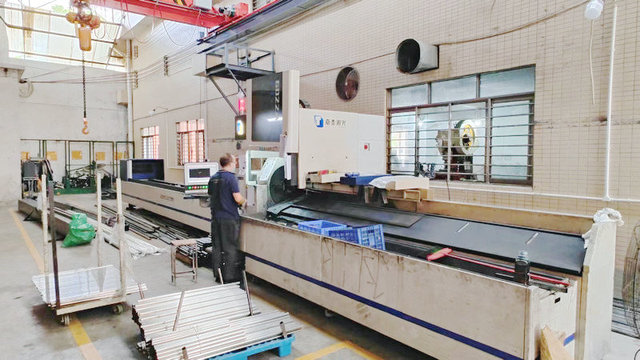
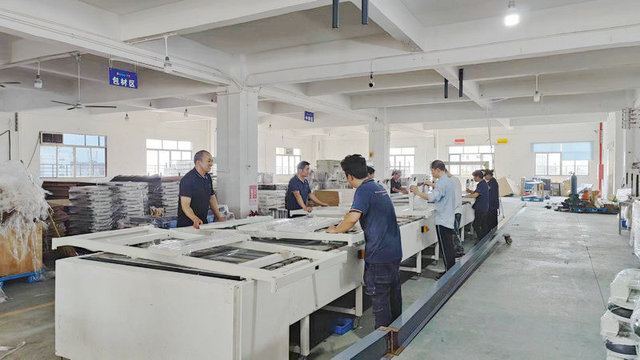
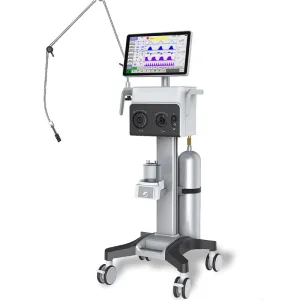
Its product portfolio includes ICU ventilators, portable ventilators, transport ventilators, emergency respiratory support systems, non-invasive ventilation devices, and intelligent patient monitoring integration solutions. Serving customers across Europe, North America, Asia, the Middle East, Africa, and Latin America, Hangzhou QMS Medical Co., Ltd. provides flexible OEM and ODM manufacturing services to meet different market requirements.
Accurate pressure monitoring prevents barotrauma (lung injury caused by high pressure) and ensures that the lungs are adequately recruited without being over-distended.
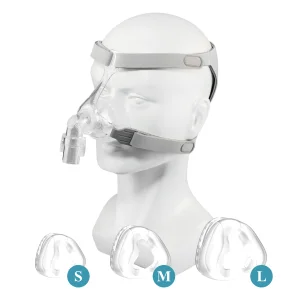
Invasive ventilation involves an artificial airway (ET tube), requiring higher pressure precision. Non-invasive ventilation (NIV) uses masks and focuses on patient comfort and leak compensation.
For medical-grade reliability, we recommend a full calibration every 6 months or after 2,000 hours of continuous operation to ensure sensor drift remains within ±2%.
Yes, specialized neonatal ventilators require much lower tidal volumes and sensitive pressure triggers. Our machines are designed with specific pediatric modes to handle these delicate requirements.
 QMS Medical