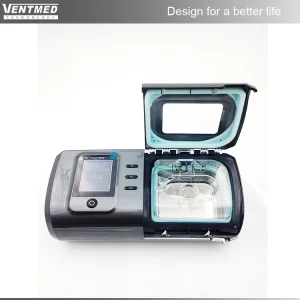
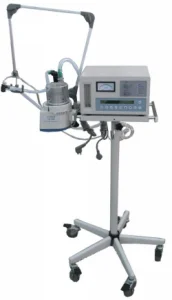
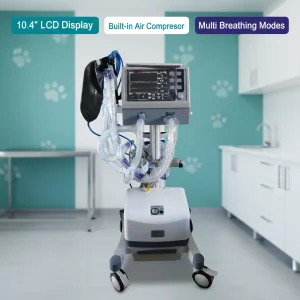
Explore our elite portfolio of cutting-edge medical ventilation, respiratory support, and protective infrastructure engineered for clinical superiority.
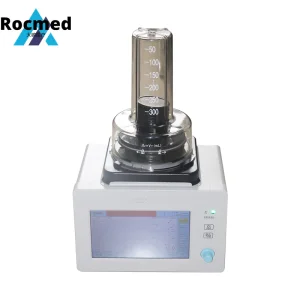
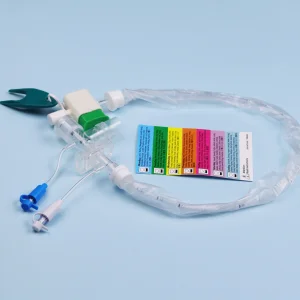
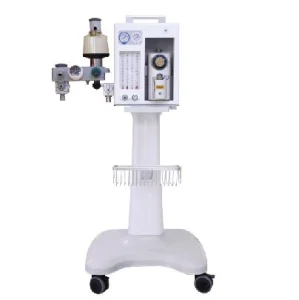
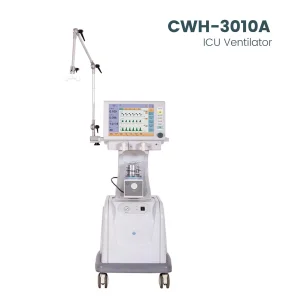
Hangzhou QMS Medical Co., Ltd. is a professional manufacturer specializing in medical ventilators, ICU ventilation systems, and respiratory care equipment for healthcare institutions worldwide. Established in 2015, the company is located in Hangzhou, China, a city recognized for its strong medical technology and advanced manufacturing industries.
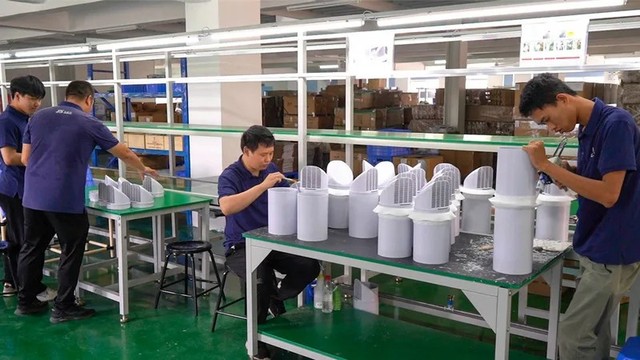
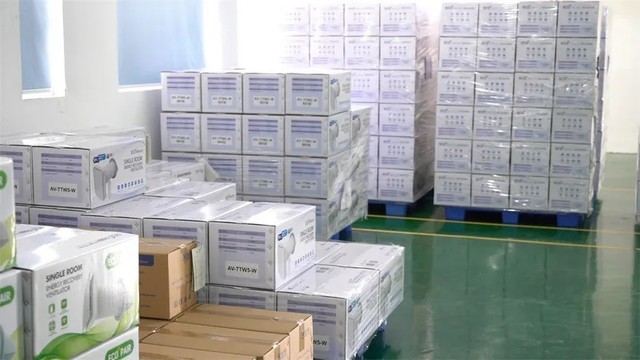
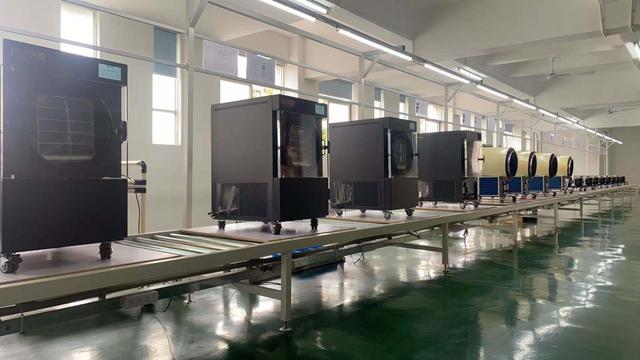
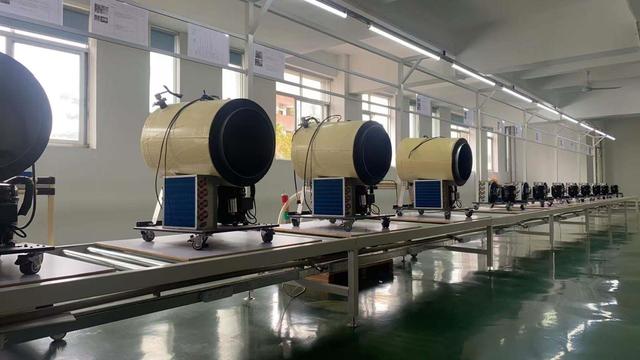
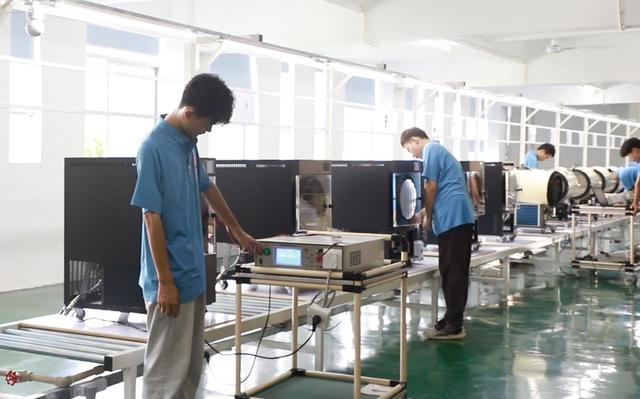
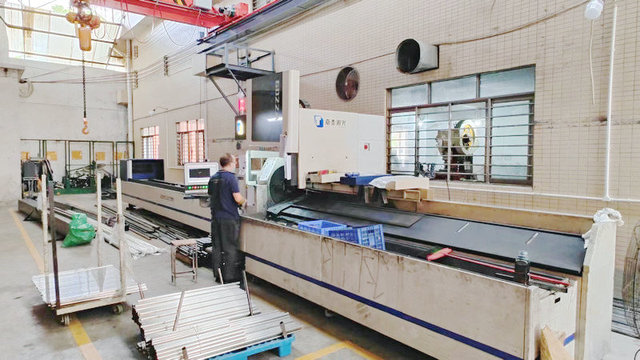
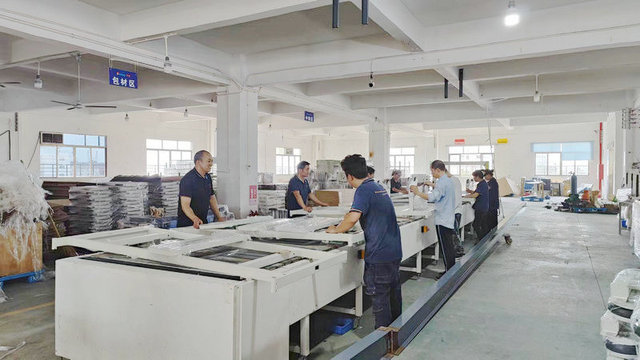
The company operates a modern production facility covering approximately 10,000 square meters and employs more than 220 skilled professionals, including engineers, technicians, and quality management specialists. QMS Medical focuses on the research, development, production, and supply of respiratory support technologies designed for hospitals, intensive care units, emergency departments, ambulance services, and home healthcare applications.
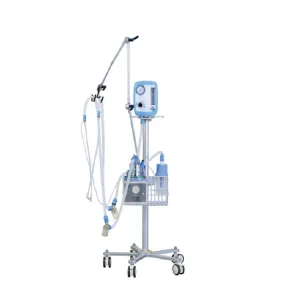
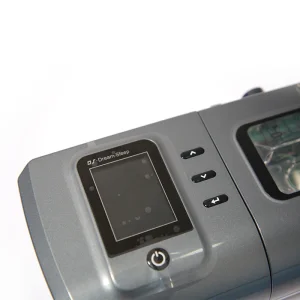
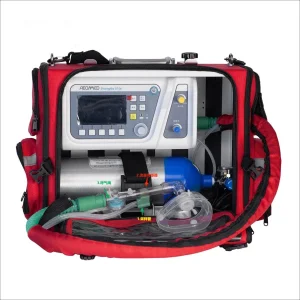
Its product portfolio includes ICU ventilators, portable ventilators, transport ventilators, emergency respiratory support systems, non-invasive ventilation devices, and intelligent patient monitoring integration solutions. The company continuously invests in product innovation and engineering development to improve ventilation performance, operational reliability, and clinical usability across diverse healthcare environments.
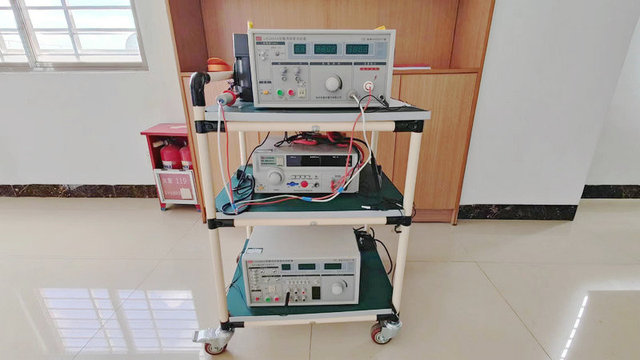
Supported by a dedicated R&D team and advanced manufacturing capabilities, QMS Medical implements comprehensive quality management procedures throughout product design, component sourcing, assembly, testing, and final inspection. The company is committed to delivering respiratory care solutions that support healthcare professionals in managing critical and long-term respiratory conditions.
Serving customers across Europe, North America, Asia, the Middle East, Africa, and Latin America, Hangzhou QMS Medical Co., Ltd. provides flexible OEM and ODM manufacturing services to meet different market requirements. Through continuous technological advancement and customer-focused development, the company aims to contribute to the global healthcare industry by providing reliable, efficient, and innovative respiratory care equipment for modern medical applications.

Continuing our comprehensive selection of specialized medical devices designed to safeguard patients and support healthcare workers globally.
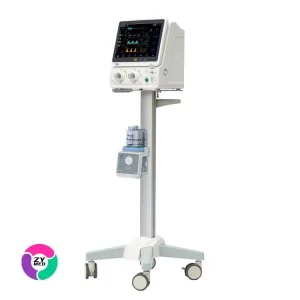
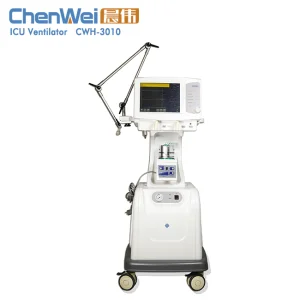
The landscape of Personal Protective Equipment (PPE) and advanced medical respiratory support has experienced a paradigm shift over the past decade. Traditional gear focused primarily on passive barrier protection; however, modern engineering integrates active digital monitoring, IoT connectivity, smart materials, and AI-driven predictive maintenance. Top-tier manufacturers are transitioning toward "intelligent protective gear" equipped with micro-sensors that track wearer vitals, environmental toxicity levels, oxygen saturation, and structural fatigue in real-time.
Looking toward the future, the integration of nanotechnologies in filtration membranes and antimicrobial textiles will redefine safety standards. As global healthcare demands rigorous infection control and industrial sectors face stricter occupational health mandates, leading factories are heavily investing in R&D. These innovations ensure that protective equipment is not only compliant with stringent international certifications (such as ISO, CE, and FDA) but also optimized for ergonomic comfort and high-stress operational resilience.
Navigating modern global supply chains requires robust macroeconomic solutions. Healthcare facilities and industrial conglomerates require end-to-end protective ecosystems rather than isolated product procurement. Leading manufacturing plants implement turnkey solutions that encompass comprehensive risk assessment, custom device configuration, clinical training, and lifecycle maintenance support.
By synergizing respiratory ventilators, ICU infrastructure, closed suction catheters, and specialized personal protective equipment, factories can supply unified packages to newly established hospitals, emergency response centers, and field clinics. This holistic approach minimizes supply chain friction, reduces procurement overhead, and ensures complete compatibility across all deployed life-support and safety machinery.
Compliance is the cornerstone of medical device and PPE distribution. Entering highly regulated markets such as the European Union, North America, Latin America, and the Middle East necessitates rigorous adherence to regional statutory frameworks. Top-tier manufacturers maintain dedicated regulatory affairs teams that assist international partners with dossier preparation, clinical evaluation reports, biocompatibility testing, and post-market surveillance data.
Furthermore, localization support goes beyond regulatory paperwork. It includes customized user interfaces in multiple languages, voltage and plug adaptations tailored to regional electrical grids, and localized after-sales technical support networks. This commitment ensures seamless deployment and minimizes downtime in critical clinical environments.
China's manufacturing ecosystem has evolved far beyond low-cost labor. The advent of "Factory 4.0" in industrial hubs like Hangzhou integrates automated robotics, AI-powered quality inspection systems, digital twin simulation, and cloud-connected enterprise resource planning (ERP). These technological advancements yield unprecedented production efficiency, exceptional product consistency, and supreme supply chain resilience.
Manufacturers leverage these smart factory ecosystems to rapidly scale production during global emergencies while maintaining stringent quality control benchmarks. Automated laser welding, precision CNC machining, and sterile cleanroom robotics guarantee that every single ventilator and protective unit meets exacting international tolerances, offering global buyers unbeatable value without compromising on clinical reliability.
Modern global enterprise buyers—ranging from multinational medical distributors to government health ministries—demand high levels of flexibility, transparency, and collaborative engineering. Standard off-the-shelf products frequently fail to address unique clinical workflows or tender requirements. Consequently, strategic Original Equipment Manufacturer (OEM) and Original Design Manufacturer (ODM) partnerships have become vital.
Top-tier factories provide robust co-development frameworks where client specifications are translated into functional prototypes through rapid 3D printing, rigorous bench testing, and iterative clinical feedback loops. This collaborative procurement model empowers international brands to introduce proprietary medical technologies swiftly, secure competitive advantages, and scale their product lines with complete confidence.
 QMS Medical