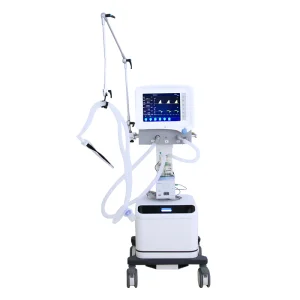
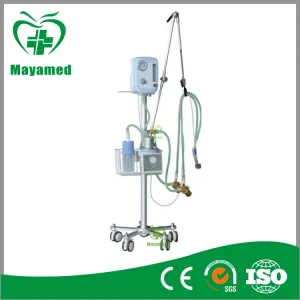
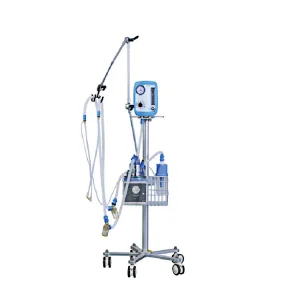
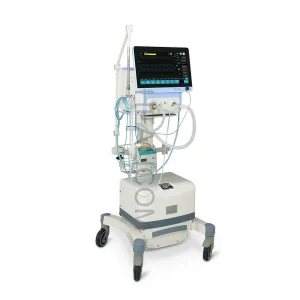
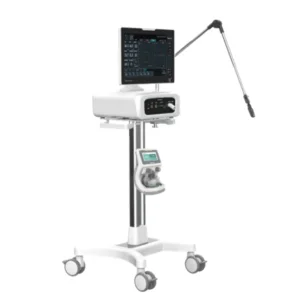
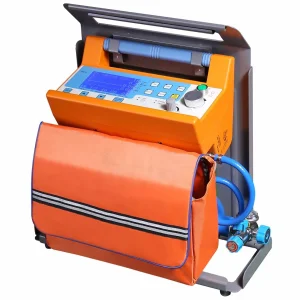
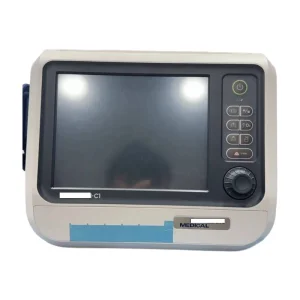
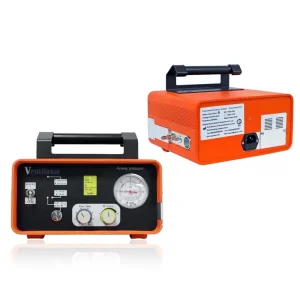
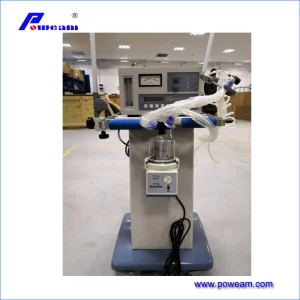
Explore our flagship medical ventilation solutions, custom-configured for adult, pediatric, and neonatal critical care contexts.
In critical care medicine, invasive respiratory treatment serves as the cornerstone of life support for patients suffering from acute respiratory distress syndrome (ARDS), multi-organ failure, and severe trauma. Engineered systems for invasive airway management require an intricate synthesis of fluid dynamics, algorithmic precision, sensor calibration, and biocompatible material science. As a premier provider of clinical solutions, Hangzhou QMS Medical Co., Ltd. stands at the forefront of this highly specialized discipline, supplying cutting-edge respiratory technologies to institutional clients worldwide.
“True clinical success in invasive ventilation relies on synchronization. Our systems continuously align mechanical parameters with biological responses, minimizing ventilator-induced lung injury (VALI) and reducing recovery timelines.”
Invasive treatment options require bypassing the patient's upper natural airway, typically via endotracheal intubation or tracheostomy. This intervention demands absolute reliability from the mechanical lung-protective system. In high-acuity scenarios, ventilators must deliver precise tidal volumes (often down to 2ml in neonatal applications) under strictly regulated pressures to avoid barotrauma, volutrauma, or atelectrauma. Advanced modes such as Synchronized Intermittent Mandatory Ventilation (SIMV), Pressure Control Ventilation (PCV), and Bi-level Positive Airway Pressure (BiPAP) must dynamically adapt to changes in compliance and airway resistance.
The roadmap for invasive ventilation technology is defined by digitalization, automation, and closed-loop control. The industry is transitioning from passive pneumatic devices to intelligent clinical partners. QMS Medical’s engineering initiatives focus on several core areas:
Our research integrates real-time algorithms that monitor patient diaphragmatic efforts, adjustments in lung mechanics, and blood gas metrics. The ventilator automatically alters support levels, facilitating smoother weaning protocols and reducing sedation requirements.
Future iterations of QMS ventilators include high-speed data transmission modules compatible with HL7 protocol standards. This enables integration with hospital electronic health records (EHR) and ICU dashboard environments for remote monitoring.
Unlike traditional ventilators dependent on centralized wall-gas distribution systems, our high-speed micro-turbine technology compresses ambient air. This setup allows for continuous ICU-grade operation during patient transport or in field hospitals.
Looking forward, integrating artificial intelligence (AI) with physiological sensors will support predictive diagnostics, alerting staff to changes in respiratory compliance or early indicators of ventilator-associated pneumonia (VAP) before clinical symptoms manifest.
The global distribution of medical facilities shows distinct variations in capital expenditure, technical infrastructure, and local demographics. QMS Medical approaches these variations through tailored, macro-level options:
Hangzhou QMS Medical Co., Ltd. is a professional manufacturer specializing in medical ventilators, ICU ventilation systems, and respiratory care equipment for healthcare institutions worldwide. Established in 2015, the company is located in Hangzhou, China, a city recognized for its medical technology and manufacturing industries.
The company operates a modern production facility covering approximately 10,000 square meters and employs more than 220 skilled professionals, including engineers, technicians, and quality management specialists. QMS Medical focuses on the research, development, production, and supply of respiratory support technologies designed for hospitals, intensive care units, emergency departments, ambulance services, and home healthcare applications.
Its product portfolio includes ICU ventilators, portable ventilators, transport ventilators, emergency respiratory support systems, non-invasive ventilation devices, and intelligent patient monitoring integration solutions. The company continues to invest in product innovation and engineering development to improve ventilation performance, operational reliability, and clinical usability across diverse healthcare environments.
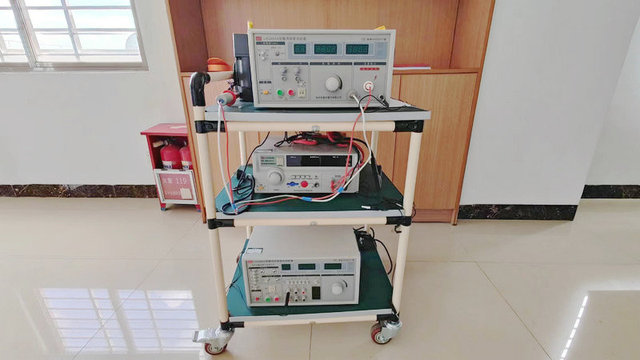
Supported by a dedicated R&D team and manufacturing capabilities, QMS Medical implements quality management procedures throughout product design, component sourcing, assembly, testing, and final inspection. The company is committed to delivering respiratory care solutions that support healthcare professionals in managing critical and long-term respiratory conditions.
Serving customers across Europe, North America, Asia, the Middle East, Africa, and Latin America, Hangzhou QMS Medical Co., Ltd. provides OEM and ODM manufacturing services to meet different market requirements. Through technological advancement and development, the company aims to contribute to the global healthcare industry by providing respiratory care equipment for modern medical applications.
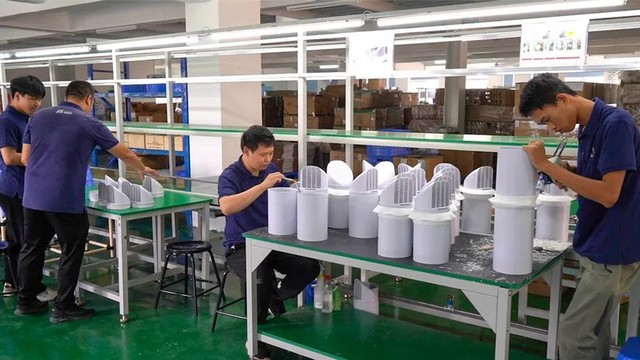
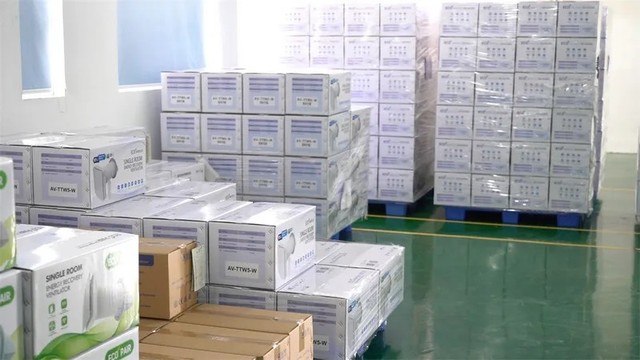
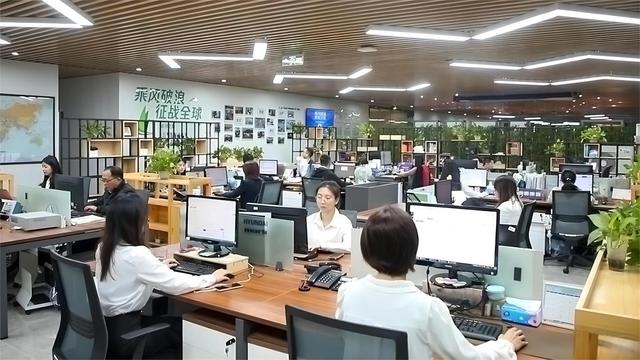
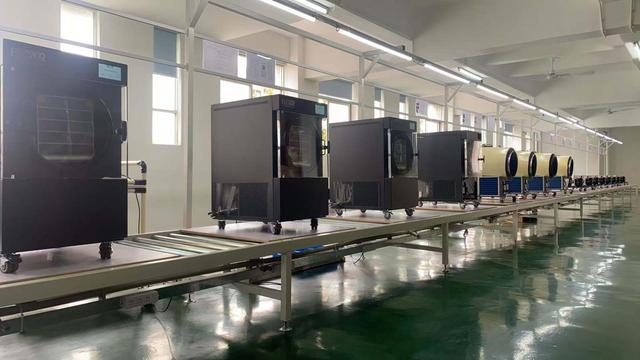
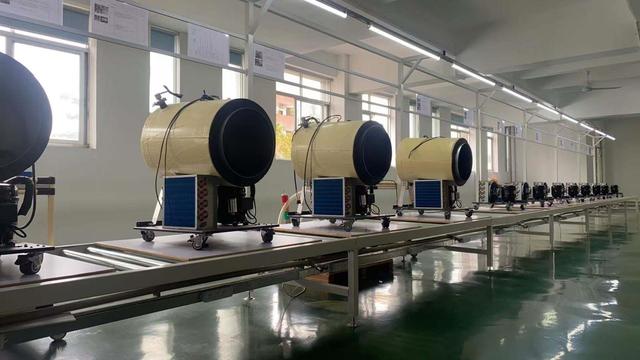
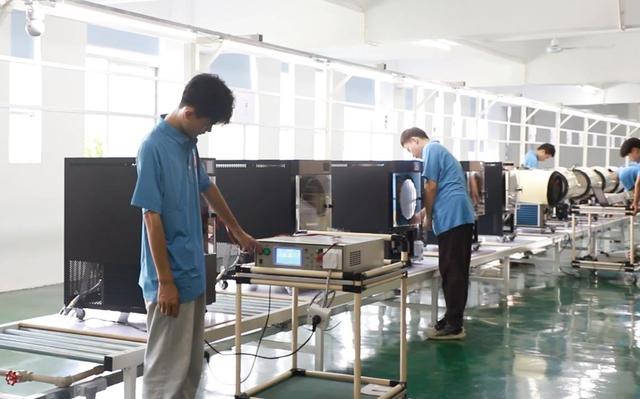
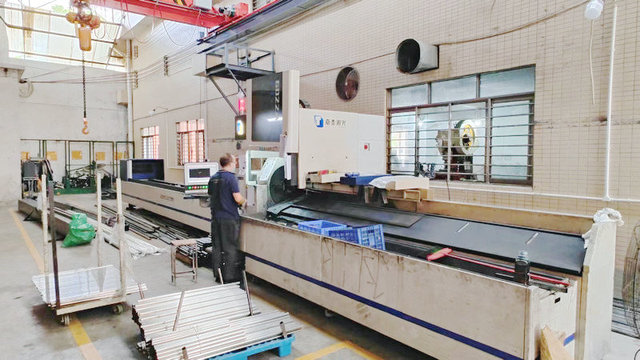
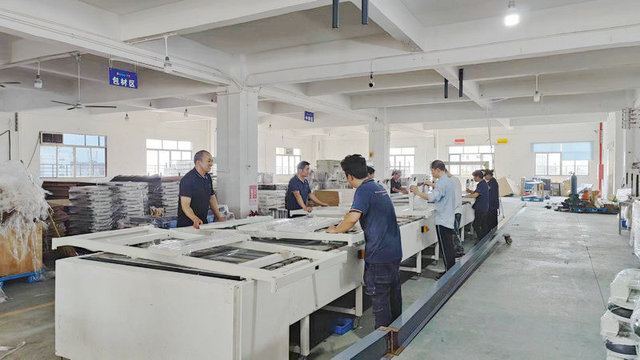
Located in Hangzhou’s high-tech manufacturing corridor, QMS Medical operates a modern assembly facility designed around Smart Manufacturing principles. This infrastructure ensures precision engineering, repeatability, and supply chain security for medical-grade hardware assembly.
Purchasing critical-care ventilators requires careful risk assessment by hospital procurement boards and international distributors. Our supply framework mitigates operational risks through several support pillars:
Deploying medical devices requires compliance with regional regulatory standards. QMS Medical operates in accordance with international healthcare quality protocols, including ISO 13485, and holds certifications matching European CE, US FDA guidance parameters, and China NMPA registrations. We support our global partners with registration documentation, technical dossiers, and certification testing data to facilitate compliance procedures.
Answers to common questions regarding our OEM processes, system configurations, and support protocols.
Explore our additional line of ventilation systems, including veterinary models, emergency transport, and home-care recovery equipment.
 QMS Medical