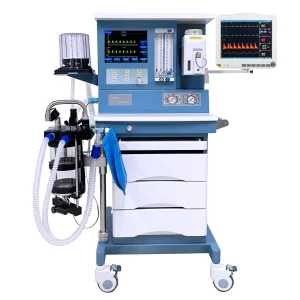
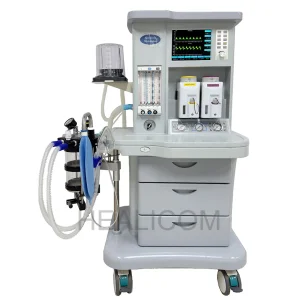
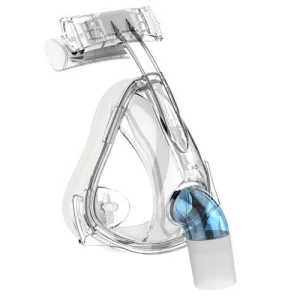
Advanced Clinical & Home-Care Ventilation Systems
The global healthcare landscape is witnessing a monumental shift towards Non-Invasive Ventilation (NIV) and breathing aids. As chronic respiratory conditions like COPD (Chronic Obstructive Pulmonary Disease), Obstructive Sleep Apnea (OSA), and complications from viral infections rise, the demand for "gentle" yet effective respiratory support has skyrocketed. Unlike invasive mechanical ventilation, non-invasive breathing aids eliminate the need for intubation, significantly reducing hospital-acquired infections (VAP) and accelerating patient recovery times.
Today's medical industry requires devices that offer more than just air pressure; they demand Information Gain—real-time data analytics, leak compensation algorithms, and AI-driven synchrony between the patient and the machine. This is where the nexus of Chinese manufacturing efficiency and advanced medical engineering meets the needs of the global market.
An aging global population and rising pollution levels are driving a projected 6.5% CAGR in the respiratory device market through 2030.
Hospitals are increasingly moving towards NIV as first-line therapy for acute respiratory failure to optimize ICU bed turnover.
The integration of IoT and remote monitoring allows clinicians to manage home-care patients via cloud-based dashboards.
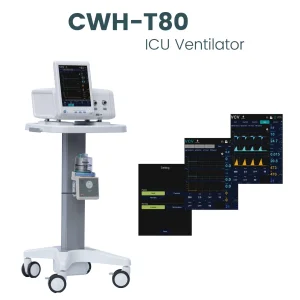
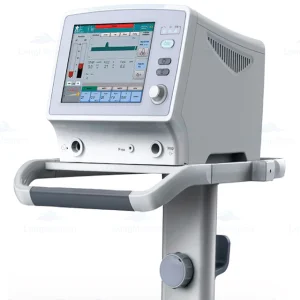
Hangzhou QMS Medical Co., Ltd. stands at the forefront as a professional manufacturer specializing in medical ventilators, ICU ventilation systems, and respiratory care equipment for healthcare institutions worldwide. Established in 2015, the company is strategically located in Hangzhou, China—a global hub recognized for its robust medical technology (MedTech) infrastructure and advanced high-tech manufacturing ecosystems.
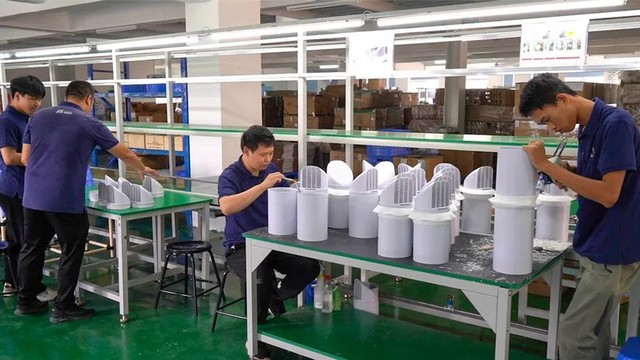
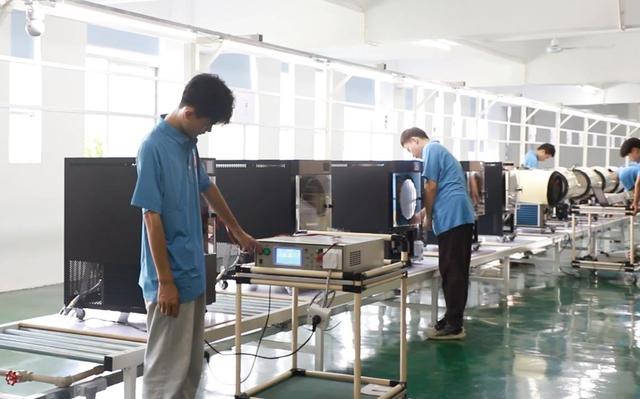
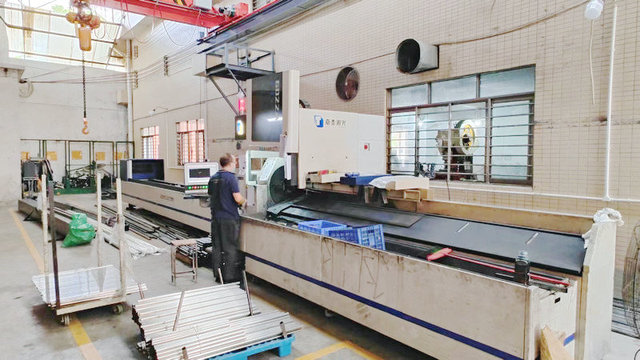
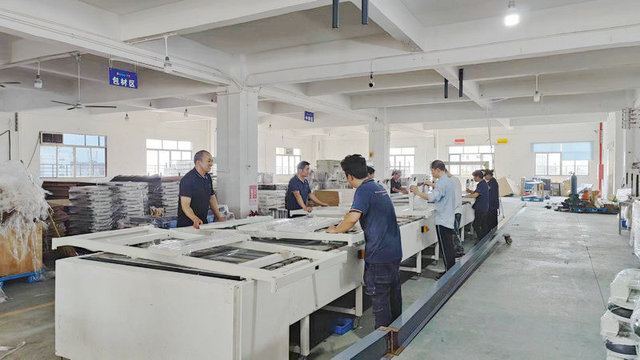
The company operates a state-of-the-art production facility spanning approximately 10,000 square meters. We take pride in our workforce of more than 220 skilled professionals, including senior biomedical engineers, software developers, and quality management specialists. QMS Medical focuses on the intensive research, development, and supply of respiratory support technologies designed for:
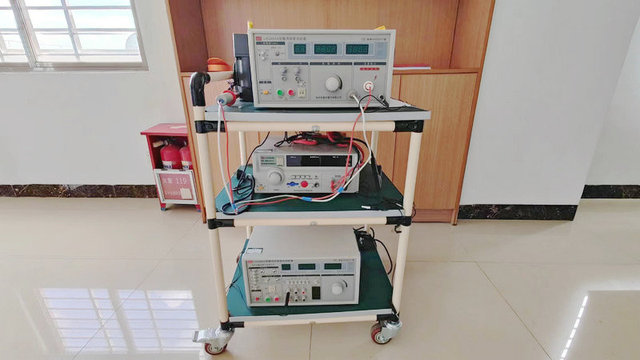
Our commitment to E-E-A-T (Experience, Expertise, Authoritativeness, Trustworthiness) is reflected in our ISO 13485 certifications and our rigorous approach to component sourcing and final inspection. We don't just manufacture devices; we build life-saving tools that clinicians trust in the most critical moments.
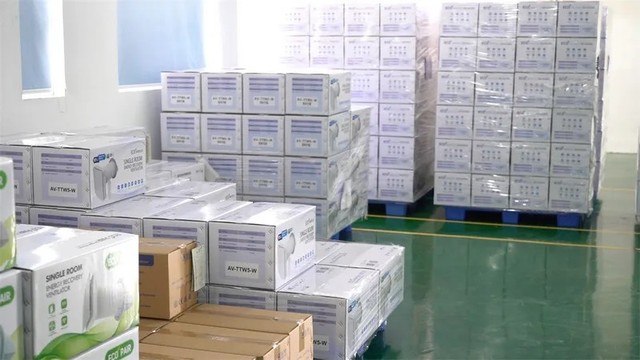

Global procurement teams often face the challenge of balancing cost-efficiency with uncompromising quality. China, particularly the Hangzhou cluster, offers a unique advantage in the respiratory care sector:
| Factor | Traditional Global Manufacturing | QMS Medical (China) Efficiency |
|---|---|---|
| Supply Chain Lead Time | 3-6 Months | 4-8 Weeks (Local Vertical Integration) |
| R&D Iteration Speed | Slow / Rigid | Agile / Rapid Prototyping & AI Integration |
| Customization (OEM/ODM) | High Minimums / Limited Options | Flexible Scaling to Local Market Specs |
| Cost-to-Value Ratio | Premium Pricing for Brand Name | Optimized Manufacturing with Top-Tier Components |
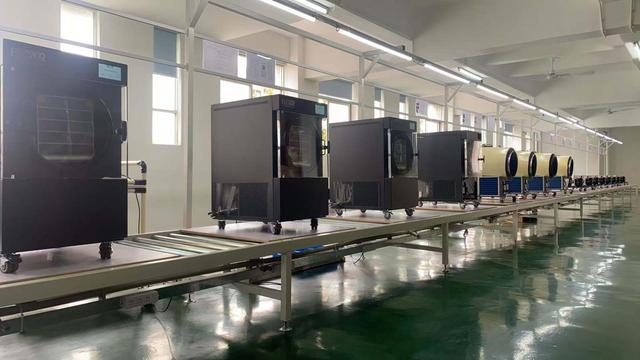
At QMS Medical, we leverage AI-enhanced assembly lines and automated testing protocols to ensure that every ventilator leaving our facility meets the same stringent standards, whether it's destined for a hospital in Berlin or a clinic in Nairobi. Our localized advantage allows us to offer superior hardware at a fraction of the cost, enabling healthcare providers to equip more beds and save more lives.
The versatility of Non-invasive Breathing Aids allows them to be deployed across a wide spectrum of environments. We have optimized our product range to serve specific "User Intents" and clinical needs:
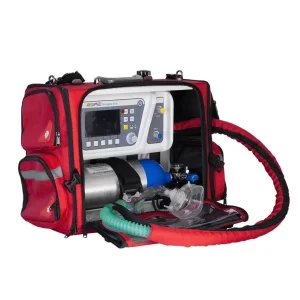
Our portable transport ventilators are designed with rugged exteriors and long-life batteries, essential for ambulance services navigating congested urban environments where stabilization during transit is critical.
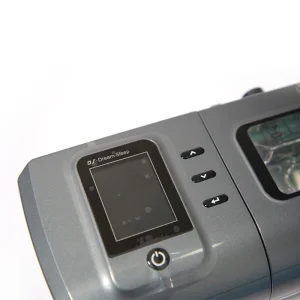
For patients with COPD or sleep apnea, user experience is paramount. We focus on Whisper-Quiet operations (below 28dB) and intuitive interfaces to ensure patient compliance with long-term therapy.
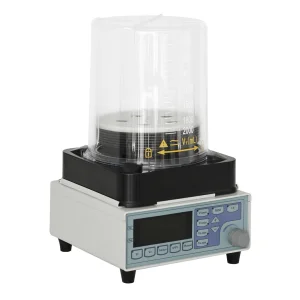
The expansion of high-end veterinary medicine has created a demand for specialized animal anesthesia ventilators. QMS Medical provides OEM solutions that adapt human-grade ventilation precision for veterinary surgical suites.
As we look toward 2025-2030, the industry trend is clear: Intelligent Ventilation. Future devices will utilize machine learning to predict patient-ventilator asynchrony before it happens, adjusting pressure curves in real-time. Miniaturization is also key—moving from bulky bedside units to wearable or ultra-portable devices that allow patients greater mobility without sacrificing respiratory support quality.
Global enterprises, from NGOs to private hospital chains, have specific requirements when sourcing from a China-based exporter. At QMS Medical, we address these through a comprehensive support framework:
Clarifying Technical Specifications & Global Sourcing
Specialized Equipment for Critical Care & Specialized Applications
 QMS Medical