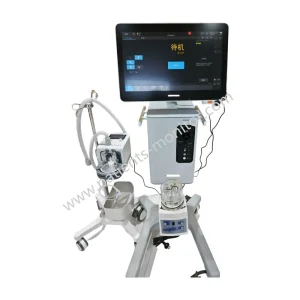
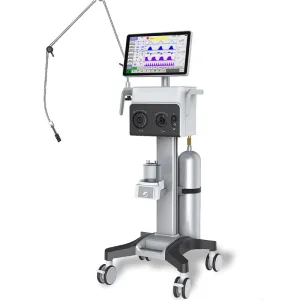
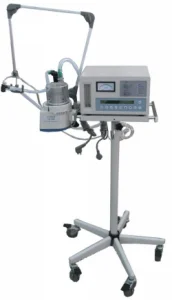
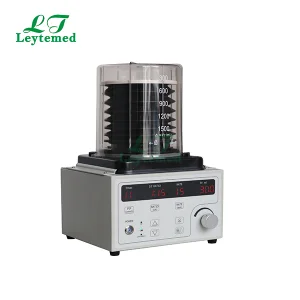
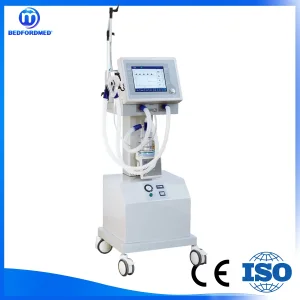
Engineered to deliver precise ventilatory support, ensuring lung protection and patient comfort across neonatal, pediatric, and adult populations.
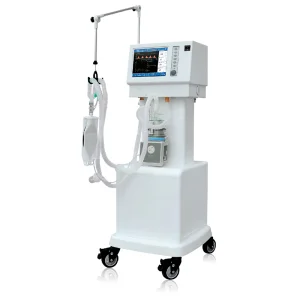

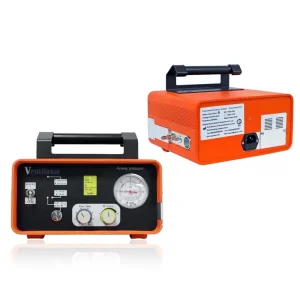
Exploring the mechanical, thermodynamic, and digital transformations reshaping respiratory support in intensive care units.
In modern critical care, the clinical demands for mechanical ventilation have shifted dramatically from basic life support to lung-protective ventilation (LPV) strategies. High-Frequency Ventilation (HFV), particularly High-Frequency Oscillatory Ventilation (HFOV) and High-Frequency Jet Ventilation (HFJV), represents a pinnacle of physiological engineering. Unlike conventional ventilation which relies on large bulk tidal volumes, high-frequency systems deliver minimal tidal volumes (often less than the dead space volume of the lungs) at high frequencies (ranging from 150 to 900 breaths per minute). This clinical mechanism dramatically reduces peak airway pressures, minimizing the incidence of ventilator-induced lung injury (VILI), barotrauma, and volutrauma in highly vulnerable neonates and patients suffering from severe Acute Respiratory Distress Syndrome (ARDS).
Standard gas transport models, governed primarily by convective bulk flow, do not explain carbon dioxide elimination during high-frequency medical device operation. Instead, non-conventional gas transport mechanisms come into play. These include Taylor Dispersion (the interaction of convective axial flow and lateral molecular diffusion), Pendelluft (the redistribution of gas between lung regions with different time constants), and asymmetric velocity profiles. By utilizing these complex fluid-dynamics principles, high-frequency ventilators achieve superior arterial oxygenation and CO2 clearance even in completely non-compliant, stiff lungs. For clinical teams, this represents an indispensable therapeutic modality when conventional rescue ventilation therapies fail.
Operates with tidal volumes close to or less than anatomical dead space, significantly lowering alveolar shear stress and mitigating alveolar collapse.
Enhances molecular diffusion via localized eddy currents, ensuring highly efficient carbon dioxide clearance in compromised lung tissues.
Maintains recruitment of compromised alveoli throughout the respiratory cycle, enhancing Functional Residual Capacity (FRC) and overall V/Q matching.
A modern manufacturing powerhouse dedicated to engineering premium regulatory-compliant respiratory systems.
Hangzhou QMS Medical Co., Ltd. is a professional manufacturer specializing in medical ventilators, ICU ventilation systems, and respiratory care equipment for healthcare institutions worldwide. Established in 2015, the company is located in Hangzhou, China, a city recognized for its strong medical technology and advanced manufacturing industries.
The company operates a modern production facility covering approximately 10,000 square meters and employs more than 220 skilled professionals, including engineers, technicians, and quality management specialists. QMS Medical focuses on the research, development, production, and supply of respiratory support technologies designed for hospitals, intensive care units, emergency departments, ambulance services, and home healthcare applications.
Its product portfolio includes ICU ventilators, portable ventilators, transport ventilators, emergency respiratory support systems, non-invasive ventilation devices, and intelligent patient monitoring integration solutions. The company continuously invests in product innovation and engineering development to improve ventilation performance, operational reliability, and clinical usability across diverse healthcare environments.
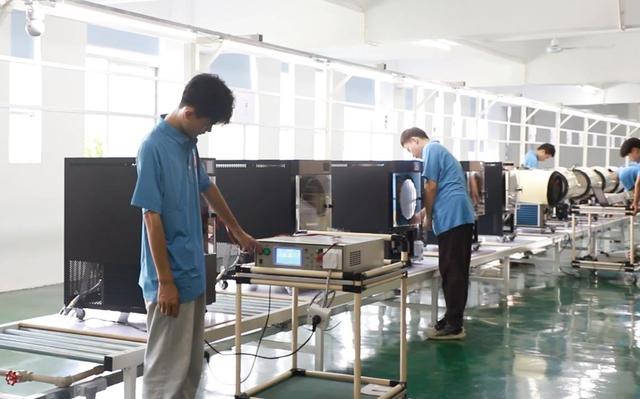
Supported by a dedicated R&D team and advanced manufacturing capabilities, QMS Medical implements comprehensive quality management procedures throughout product design, component sourcing, assembly, testing, and final inspection. The company is committed to delivering respiratory care solutions that support healthcare professionals in managing critical and long-term respiratory conditions.
Serving customers across Europe, North America, Asia, the Middle East, Africa, and Latin America, Hangzhou QMS Medical Co., Ltd. provides flexible OEM and ODM manufacturing services to meet different market requirements. Through continuous technological advancement and customer-focused development, the company aims to contribute to the global healthcare industry by providing reliable, efficient, and innovative respiratory care equipment for modern medical applications.
How healthcare procurement leads, hospital groups, and medical distributors mitigate risk and assure technical compliance.
Procuring medical devices on a global scale demands strict adherence to performance metrics, long-term technical support, and strict compliance structures. Procurement departments in Europe, North America, and emerging economies prioritize suppliers who present low TCO (Total Cost of Ownership) paired with high clinical performance. In complex medical systems, high frequency ventilators and standard ICU ventilation equipment must deliver continuous performance under severe conditions. Hospital procurement managers seek manufacturers with verified raw material sourcing channels, robust quality control, and scalable production capacities to prevent line disruptions.
Key checkpoints during vendor evaluation include component traceability, MTBF (Mean Time Between Failures) ratings, and comprehensive service manuals. A resilient vendor supply chain minimizes dependencies on sole-source electronic components and utilizes globally standard valves, sensors, and micro-controllers. Furthermore, high frequency medical device manufacturers must prove their ability to offer local maintenance support, on-site installation, and comprehensive clinical training modules to ensure safe clinical deployment.
Every critical valve, sensor, and circuit board is logged through advanced ERP tracking, ensuring absolute accountability and streamlined recall mechanisms.
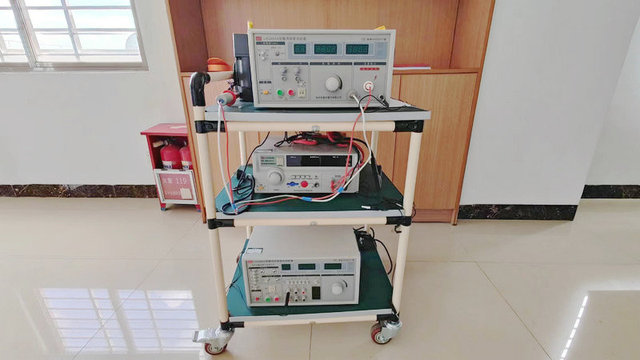
Providing full compliance matrices, documentation packs, and certified lab test reports to facilitate seamless submission for national health tenders.
Offering custom configurations, software localizations, and unique modular mounting options to suit regional healthcare system specifications.
Navigating the stringent landscape of Class IIb and Class III medical device regulatory frameworks for the European Economic Area.
For high-frequency medical devices, maintaining an active CE certificate under the European Medical Device Regulation (MDR EU 2017/745) is a badge of ultimate reliability. The transition from MDD to MDR has introduced unprecedented scrutiny regarding clinical data evaluation, post-market clinical follow-up (PMCF), and comprehensive risk management files under ISO 14971. A CE-certified manufacturer demonstrates that their designs undergo comprehensive testing, including electromagnetic compatibility (EMC) according to IEC 60601-1-2 and electrical safety verification via IEC 60601-1.
At Hangzhou QMS Medical, the production lifecycle is governed by an ISO 13485:2016 compliant quality management system. From the initial R&D phases to final packaging and sterilization, every process is documented. This strict regime guarantees that every ventilator leaving the production floor exhibits the same clinical performance metrics, minimizing variance and protecting patient safety at the bedside.
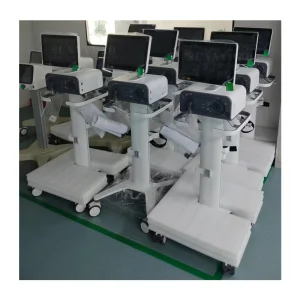
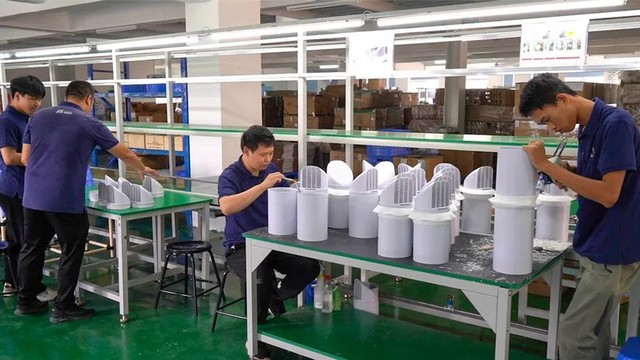
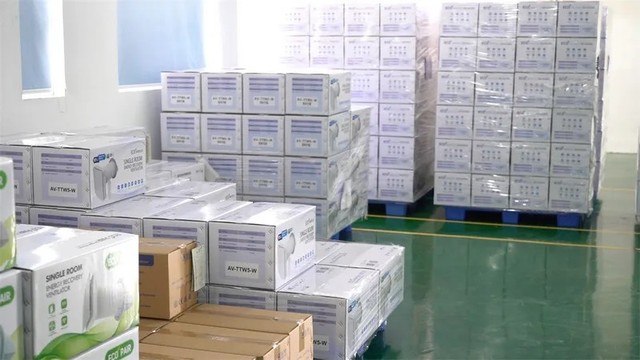
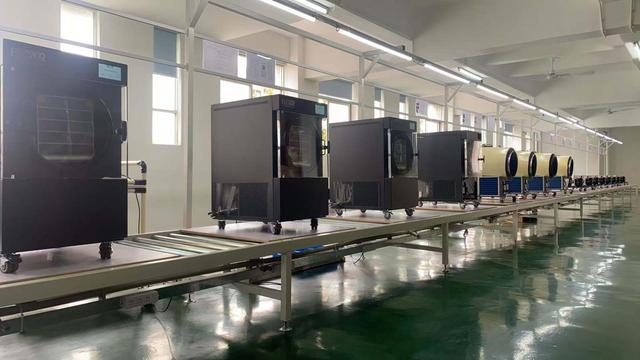
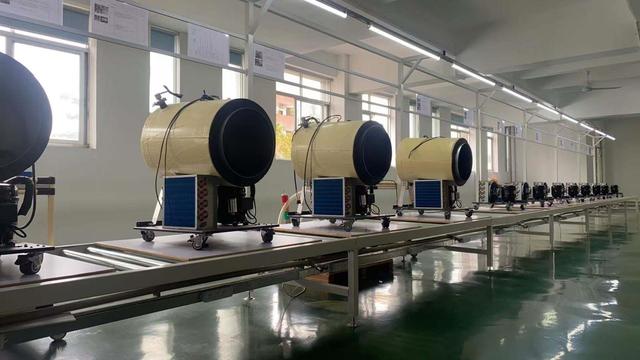
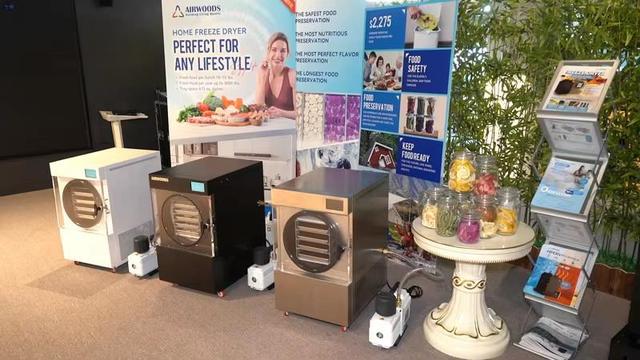
Take a virtual tour of the Hangzhou QMS Medical production environment, featuring rigorous testing, assembly, and quality assurance stations.

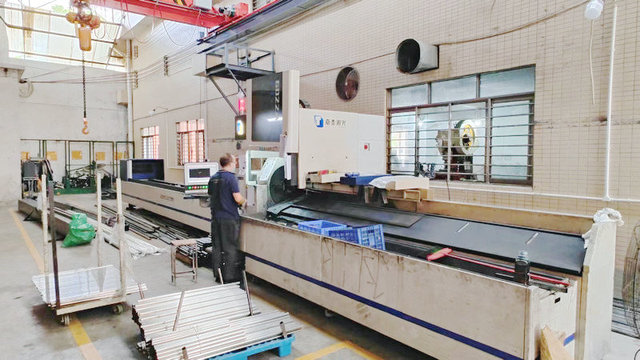
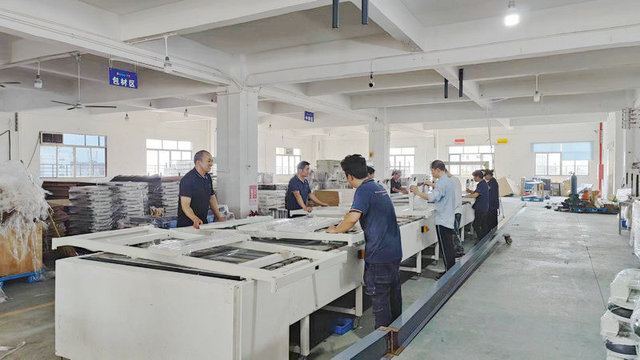
The future of intelligent lung-protective ventilation and IoT-enabled critical care environments.
As digital health transformations accelerate globally, clinical settings require unified platforms that integrate sensor telemetry, predictive software algorithms, and hardware interfaces. The next generation of high-frequency ventilation devices will not operate as isolated hardware nodes. Instead, they will represent nodes within a smart ICU ecosystem. By implementing Closed-Loop Ventilation Control (CLVC), automated software loops continuously adjust mechanical settings (such as driving pressure, bias flow, and frequency) based on real-time physiological feedback, such as pulse oximetry (SpO2) and end-tidal carbon dioxide (EtCO2) readouts.
Leveraging machine learning algorithms, modern ventilators can recognize patterns indicating respiratory muscle fatigue or impending patient-ventilator asynchrony. This early warning system prompts clinicians to adjust settings before distress symptoms escalate. Simultaneously, predictive diagnostic routines monitor internal valves and turbine metrics to flag maintenance requirements before components degrade. This minimizes unexpected equipment downtime and maximizes device lifespan across busy clinical departments.
Essential insights regarding CE certification, product specifications, clinical indications, and custom B2B manufacturing options.
From neonatal care and high-end critical ICU support to customized clean air management systems.

 QMS Medical