Breathing is easy to overlook until illness makes every breath difficult. In hospitals, respiratory support helps patients maintain oxygen levels, remove carbon dioxide, and conserve energy during recovery. It may involve oxygen therapy, high-flow nasal support, non-invasive ventilation, or mechanical ventilation. Each method serves a different clinical need. Why is respiratory support important in modern healthcare? It protects vital organs when the lungs cannot meet the body’s demands alone.
A patient with pneumonia may breathe rapidly while a pulse oximeter shows falling oxygen saturation. Care teams assess these changes, review medical history, and select support based on clinical evidence. They also monitor comfort, blood gases, breathing effort, and possible complications. Respiratory therapists, nurses, and physicians must communicate clearly, especially when a patient’s condition changes within minutes. Timely support can reduce strain on the heart and brain. It can also create time for antibiotics, surgery, or other treatments to work.
Technology is not a substitute for judgment. Not always.
Ventilators require careful settings, regular reassessment, and skilled supervision. Oxygen itself can become harmful when used incorrectly or without monitoring. Evidence-based protocols improve safety, but no protocol fits every patient perfectly. Personal experience matters, yet it must be tested against current research and patient-specific findings. This article examines the clinical value, practical limits, and human decisions behind respiratory support in modern healthcare. Its goal is not to promise simple answers. Better care often begins with asking harder questions.
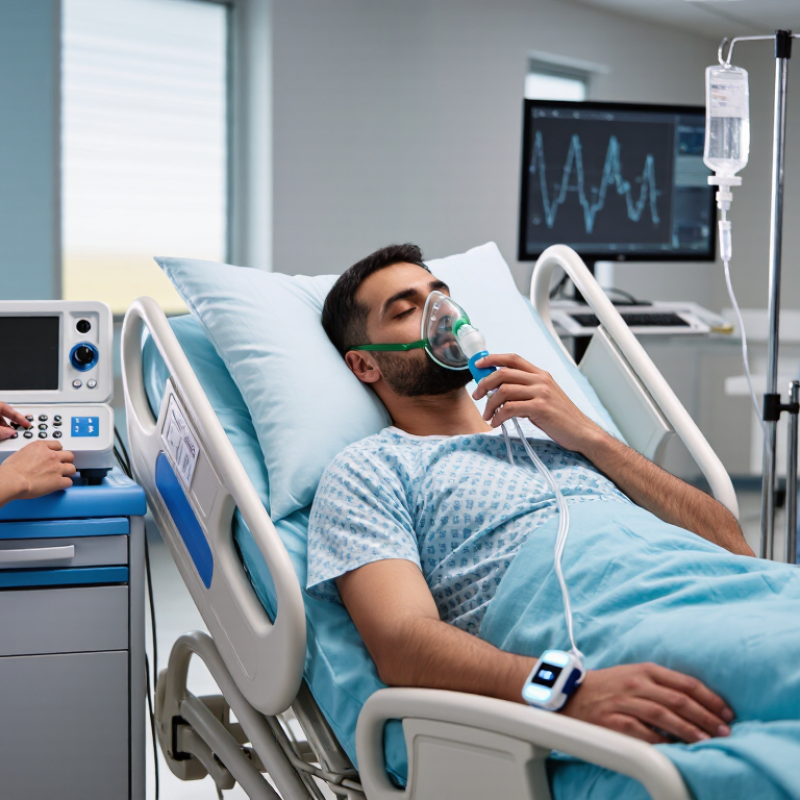
Respiratory support means helping a person breathe effectively when illness, injury, or surgery makes breathing difficult. It is not one treatment. Support may include positioning someone upright, clearing airway secretions, providing oxygen, or using a device that assists breathing. The right approach depends on the person’s condition, comfort, and response to care.
Small details matter. A clinician may watch chest movement, breathing rate, oxygen levels, and how easily the person speaks. Oxygen can help when blood oxygen is low, but it does not correct every cause of breathlessness. Some people need closer monitoring or assistance moving air in and out of their lungs. Needs can also change over hours, so treatment is adjusted as the patient improves or worsens. This requires judgment. In practice, a number on a monitor is only part of the picture; anxiety, fatigue, and the effort of breathing matter too. That distinction can be missed. Support should be explained clearly, with attention to comfort and the person’s goals, while clinicians reassess whether it is helping.
Why Is Respiratory Support Important in Modern Healthcare?
How Respiratory Support Maintains Essential Body Functions
Every cell needs oxygen, and the body must remove carbon dioxide to keep its internal balance. When illness, injury, or surgery makes breathing difficult, respiratory support can help maintain this exchange. It may include supplemental oxygen, noninvasive ventilation through a mask, or mechanical ventilation through an airway tube. The right approach depends on the person’s condition and clinical assessment. There is no single setting for everyone.
Small changes matter. A clinician may watch oxygen levels, breathing rate, chest movement, and signs of fatigue. For example, a patient whose breathing muscles are tiring may need support before each breath becomes a struggle. Some devices also help move air past narrowed airways or support cough and secretion clearance. Support can ease the body’s workload, but it does not treat every underlying cause. That distinction is easy to overlook.
Care requires frequent reassessment. Too little support may leave organs short of oxygen; unnecessary or poorly adjusted support can also create risks, including discomfort or lung injury. The numbers on a monitor are useful, but they do not tell the whole story. How the patient feels matters. So does the clinical picture. Respiratory support works best when trained teams tailor it, explain the plan, and adjust it as the person’s needs change. In practice, that balance can be difficult.
How Respiratory Support Maintains Essential Body Functions
In a landmark trial of patients with acute respiratory distress syndrome (ARDS), a lung-protective ventilation strategy using lower tidal volumes was associated with lower hospital mortality than traditional higher-volume ventilation. Respiratory support can help maintain oxygen and carbon dioxide exchange while reducing the risk of ventilator-related lung injury. These results apply to the studied ARDS population, not all patients receiving respiratory support.
Why Is Respiratory Support Important in Modern Healthcare?
When Patients Require Respiratory Support
Respiratory support becomes necessary when the lungs cannot move enough oxygen into the blood or remove carbon dioxide effectively. Patients may show rapid breathing, chest retractions, unusual sleepiness, confusion, or severe exhaustion. Some struggle after pneumonia, asthma attacks, serious injuries, or surgery. Others need help because of chronic lung disease or weakened breathing muscles.
Healthcare professionals assess more than one number. They observe skin color, breathing effort, mental alertness, oxygen saturation, and blood gas results. A patient may appear calm while tiring dangerously. Numbers can mislead. The whole picture matters.
Support may begin with carefully adjusted oxygen. If breathing remains inadequate, non-invasive ventilation can assist through a fitted mask. Patients with severe failure may require a breathing tube and mechanical ventilation in an intensive care setting. Close monitoring is essential because oxygen levels can change quickly. Nurses and respiratory therapists check mask fit, comfort, secretions, and skin pressure. Small details matter.
The decision is not always neat. Too little support can delay treatment, while unnecessary support may cause discomfort or complications. Clinicians must identify the underlying problem and review the plan repeatedly. Family observations can also help, especially when a patient becomes quieter, confused, or suddenly less responsive. Prompt medical assessment is vital when breathing becomes difficult or rapidly worsens.
| Support method | What it provides | When it may be used | What clinicians monitor | Important considerations |
|---|---|---|---|---|
| Supplemental oxygen | Raises the oxygen concentration in the air a patient breathes. | Low blood oxygen levels, such as those associated with pneumonia or some chronic lung conditions. | Oxygen saturation, breathing effort, mental status, and the prescribed oxygen requirement. | Oxygen treats low oxygen levels; by itself, it does not provide the same breathing assistance as a ventilator. The target saturation should be set for the individual patient. |
| High-flow nasal cannula (HFNC) | Delivers warmed, humidified oxygen-rich gas at high flow through nasal prongs. | Selected patients with acute hypoxemic respiratory failure who need more support than conventional oxygen can provide. | Oxygen saturation, respiratory rate, work of breathing, comfort, and response over time. | It may improve comfort and oxygen delivery, but patients need close reassessment in case their condition worsens or another form of support is needed. |
| Non-invasive ventilation (NIV) | Provides breathing assistance through a fitted mask without placing a breathing tube in the windpipe. | Commonly considered for selected cases of acute worsening of COPD with elevated carbon dioxide, or acute cardiogenic pulmonary edema. | Breathing effort, oxygen and carbon dioxide levels, mask fit, comfort, and ability to protect the airway. | NIV is not suitable for every patient. Urgent assessment is needed if the patient cannot tolerate the mask, protect their airway, or improve with treatment. |
| Invasive mechanical ventilation | Uses a breathing tube connected to a ventilator to support or control breathing. | Severe respiratory failure, inability to maintain a safe airway, or when non-invasive support is insufficient or inappropriate. | Oxygenation, ventilation, airway pressures, lung function, comfort, and complications such as infection or lung injury. | Usually requires care in a closely monitored setting. The clinical team adjusts ventilator settings and evaluates readiness to reduce support as the patient improves. |
| Airway clearance support | Helps move or remove mucus using techniques such as assisted coughing or suctioning when appropriate. | Patients who have difficulty clearing secretions because of weakness, reduced cough, or certain respiratory or neuromuscular conditions. | Secretion amount and thickness, cough effectiveness, breathing comfort, and oxygenation. | The approach depends on the cause of secretion retention and the patient’s condition; it may be used alongside other respiratory treatments. |
| Why timely support matters | Respiratory support can help maintain oxygen delivery and ventilation while clinicians treat the underlying cause of breathing difficulty. The appropriate method depends on the patient’s condition, goals of care, and response to treatment. Decisions and monitoring should be individualized by qualified healthcare professionals. | |||
Respiratory support is not a single treatment. It ranges from extra oxygen to invasive mechanical ventilation. Each method addresses a different level of breathing failure. Clinicians select support after checking oxygen saturation, breathing effort, blood gases, mental status, and the underlying illness. A low-flow oxygen device may help a stable patient with mild hypoxemia. It is often used during recovery from infection or after surgery.
High-flow oxygen delivers warmed, humidified gas at a higher rate. It can reduce breathing effort while allowing the patient to remain awake and communicative. Noninvasive ventilation uses a sealed mask to support inhalation or maintain airway pressure.
Continuous positive airway pressure can help keep airways open during sleep-related obstruction. Bilevel support provides different pressures for inhalation and exhalation, often assisting patients with carbon dioxide retention or severe respiratory muscle fatigue.
Some patients need invasive ventilation through an endotracheal tube. This approach can protect the airway and deliver precise pressure and oxygen levels. However, it may cause discomfort, airway injury, infection, or complications from excessive pressure. Manual ventilation remains important during emergencies, but it requires trained hands and constant observation.
Support must change with the patient’s response. Numbers alone can mislead. A normal oxygen reading may hide exhausting breathing or worsening carbon dioxide levels. In practice, decisions are rarely perfect, so reassessment, patient comfort, and clear communication remain essential.
Respiratory support has become more precise, but care remains uneven. The Global Burden of Disease Study 2019 estimated 3.23 million deaths from chronic obstructive pulmonary disease. The World Health Organization also reported 2.6 million lower respiratory infection deaths in 2019. These figures show why oxygen therapy, non-invasive ventilation, and mechanical ventilation remain essential in hospitals and community care.
The main challenge is matching support to each patient. A quiet patient may still be tiring. A normal-looking oxygen reading can hide poor ventilation. Clinicians must assess breathing effort, blood gases, consciousness, and underlying disease together. High-flow oxygen and non-invasive ventilation can reduce invasive procedures for selected patients, according to respiratory care guidelines. Lung-protective ventilation also limits pressure-related injury in critically ill adults. Yet these methods require trained staff, reliable electricity, careful monitoring, and suitable infection-control systems.
Access is still the weak point. A WHO and UNICEF report found that about 675 million people lacked reliable access to electricity in 2021, especially in low-income and fragile settings. Without power, even advanced respiratory equipment becomes silent. Training gaps matter too. I have seen how a poorly fitted mask can cause leaks, anxiety, and delayed treatment. The technology is improving, but bedside judgment is not automatic. More research should examine long-term comfort, rural deployment, caregiver workload, and unequal access, rather than focusing only on survival rates.
It helps the body take in oxygen and remove carbon dioxide when illness, injury, or surgery makes breathing difficult.
It may use supplemental oxygen, a mask that assists breathing, or a ventilator connected through an airway tube. The choice depends on clinical assessment.
They assess oxygen levels, breathing rate, chest movement, effort, fatigue, and other clinical signs. A monitor reading alone may miss important changes.
Not always. It can ease the body’s workload, but the underlying condition may need separate treatment. That distinction matters.
Needs can change over time. Too little support may leave organs short of oxygen, while poorly adjusted support can cause discomfort or lung injury.
Air leaks may reduce support and cause anxiety. A small fit problem can delay care, so staff should check the mask and the patient’s comfort.
These options may reduce the need for invasive procedures in selected patients. A trained clinical team must decide whether they are suitable.
It requires trained staff, reliable electricity, monitoring, and infection-control systems. In places without steady power, equipment may not work when needed.
It should study long-term comfort, rural use, caregiver workload, and unequal access, not only survival rates. Those details are easy to miss.
Respiratory support helps people breathe when illness, injury, surgery, or other conditions make it difficult to move enough oxygen into the body or remove carbon dioxide. By supporting gas exchange, it helps protect essential functions such as the work of the heart and brain while giving patients time to recover. This explains why is respiratory support important in modern healthcare: it can stabilize breathing, ease the effort of respiration, and support care across a range of medical settings.
The level of support depends on each patient’s needs. Options may include supplemental oxygen, devices that assist breathing without an airway tube, or mechanical ventilation for more serious respiratory failure. Clinicians choose and adjust these approaches through ongoing assessment, balancing effective support with comfort and safety. Challenges include preventing complications, responding to changing conditions, and ensuring appropriate monitoring. Continued advances in equipment, clinical practice, and personalized care aim to make respiratory support more effective and better suited to individual patients.

QMS Medical