What Is the Impact of AI on Ventilator Systems?

Time:2026-09-07 Author:Amelia
0%

Ventilator systems are moving beyond fixed settings and simple alarms. Today, clinicians can study pressure curves, airflow, oxygen levels, and patient movement in real time. These signals may help artificial intelligence detect worsening respiratory effort, predict asynchrony, and suggest safer adjustments. This is the practical question behind how does artificial intelligence impact ventilator systems.

The bedside impact can be concrete. A model might notice repeated ineffective breaths before a nurse sees the pattern. It could highlight rising airway resistance while a patient lies quietly under sedation. Early warnings may support faster review, but they do not replace clinical judgment. Ventilators operate in unstable conditions. Data can be incomplete, noisy, or misleading.

Eric Topol, MD, a physician and digital-medicine researcher, has stated, “AI will not replace doctors, but doctors who use AI will replace those who don’t.” His observation fits intensive care, where technology must strengthen—not weaken—professional oversight. AI may improve alarm management, personalized ventilation, maintenance forecasting, and documentation. Yet performance differs across devices, hospitals, and patient groups. That limitation matters.

The strongest systems will explain their recommendations clearly. They will also record uncertainty and allow immediate human override. Small details count, including false alarms at 3 a.m. or a sensor loosened by sweat. Developers and clinicians need shared testing, transparent validation, and continuous monitoring after deployment. Progress is real, but it is not automatic. Some promising models may fail beside the bedside. That possibility deserves attention.
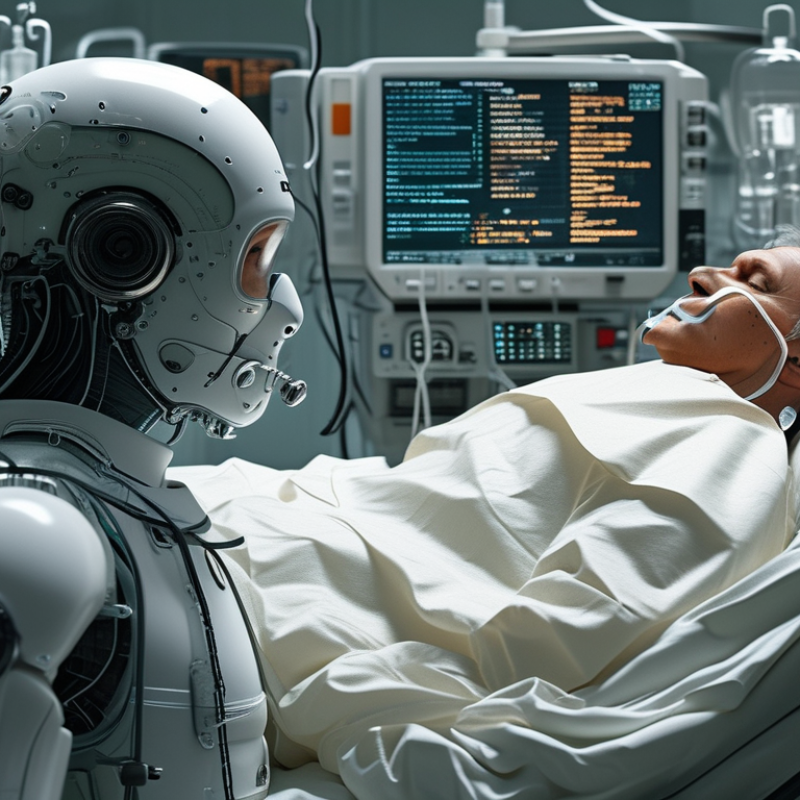
What Is the Impact of AI on Ventilator Systems?

How AI Is Integrated into Ventilator Systems

What Is the Impact of AI on Ventilator Systems?

AI enters ventilator systems through a layered workflow. Pressure, flow, volume, oxygen, and patient effort sensors stream measurements several times per second. Signal-processing software removes noise from coughing, leaks, and movement. A machine-learning model then estimates breathing patterns, synchrony, and changing respiratory demand. In practice, clinicians may see these findings as clear trend lines, not mysterious scores. That distinction matters.

The model can support settings by detecting poor patient-ventilator synchrony or rising respiratory effort. It may suggest adjustments to support level, inspiratory timing, or alarm thresholds. Some systems can automate limited responses within approved safety boundaries. Human review remains essential. A respiratory therapist checks the waveform, examines the patient, and compares the recommendation with blood gases and clinical history. AI should assist judgment, not replace it.

Integration also depends on reliable data and careful validation. A loose mask, wet tubing, or unusual lung condition can distort predictions. The algorithm may appear confident while missing rare deterioration. That is uncomfortable. Hospitals need audit logs, override controls, cybersecurity safeguards, and ongoing performance checks across different patients. Developers should test models with diverse clinical data, publish limitations, and measure false alarms as seriously as missed events. Bedside experience still exposes weaknesses that laboratory testing can overlook.

What Is the Impact of AI on Ventilator Systems?

How AI is integrated into ventilator systems through continuous monitoring and clinical decision support

AI-enabled ventilator workflows can continuously analyze pressure, flow, volume, oxygen saturation, and patient–ventilator interaction. The chart shows established adult acute respiratory distress syndrome reference targets that AI systems may monitor or use to generate alerts and decision-support recommendations. These are clinical reference values, not measured AI performance results, and final decisions remain with qualified clinicians.

References: low tidal-volume ventilation evidence; lung-protective ventilation guidance.

Core AI Functions in Ventilator Monitoring and Control

Artificial intelligence is changing how ventilators interpret patient data. It can combine respiratory rate, tidal volume, airway pressure, oxygen saturation, and flow patterns in near real time. AI may identify early signs of worsening compliance or patient-ventilator asynchrony. A rising pressure with falling volume can indicate obstruction or changing lung mechanics. That pattern is easy to miss during a busy shift. However, an algorithm does not examine the patient directly. Movement, condensation, or a loose sensor can distort its view. Clinical judgement remains essential.

In control functions, AI can adjust support within clinician-defined limits. It may respond to changing respiratory effort, reduce unnecessary pressure, or recommend a safer oxygen setting. Some systems learn a patient’s recent breathing pattern instead of using one fixed threshold. This approach can make assistance smoother during sleep or recovery. Yet automatic control must remain transparent. Staff need to see why a change occurred, which data triggered it, and how quickly they can override it. Small delays matter.

Reliable implementation requires testing across ages, diseases, body types, and care settings. Bedside experience also exposes problems that laboratory trials may miss, such as alarms competing with suctioning or repositioning. AI may reduce alarm fatigue, but poorly tuned models can create new distractions. It can be wrong. Regular calibration, audit logs, independent review, and practical training help reveal weaknesses. Clinicians should question every adjustment and pause automation when the patient’s condition changes.

Effects of AI on Patient Safety and Treatment Personalization

Artificial intelligence is changing ventilator support from fixed settings toward responsive care. Algorithms can analyze pressure, flow, oxygen saturation, and patient effort continuously. They may detect worsening synchrony before obvious distress appears. This matters because the World Health Organization reports that about one in ten patients experiences harm during healthcare, and more than half of these events are preventable. AI could reduce avoidable alarm delays and inconsistent adjustments. It cannot replace bedside judgment.

Personalized ventilation may also match support to changing physiology. A system could estimate respiratory drive, identify breath stacking, and suggest safer pressure or oxygen changes. These suggestions should remain transparent and reviewable. The U.S. Food and Drug Administration reported more than 1,000 authorized AI-enabled medical devices by 2024, but most were not ventilation systems. That gap is important. Regulatory authorization does not prove equal benefit for every patient group.

Safety still depends on data quality. A displaced tube, wet sensor, or unusual breathing pattern can mislead an algorithm. False alarms may increase fatigue. Quietly dangerous errors may be harder to notice. Clinical teams need clear override controls, continuous performance checks, and diverse validation data. The evidence is promising, but uneven. I would not call this solved. Ventilator AI should support careful clinicians, not create automatic confidence.

Challenges of Using AI in Mechanical Ventilation

Artificial intelligence may adjust respiratory support faster than a busy clinical team. Yet speed does not equal safety. The LUNG SAFE study examined 2,813 patients across 459 intensive care units. Hospital mortality reached 40.4% in mild ARDS and 52.4% in severe ARDS. These figures show why ventilation decisions cannot rely on one digital signal.

Data quality remains a difficult barrier. Ventilators record pressure, flow, volume, and alarms, but hospitals store them differently. Missing values can make a stable patient appear unstable. AI may also learn from historical practices that reflect local bias. A model trained in one intensive care unit may perform poorly with different patients, staffing, or equipment. The FDA’s 2021 Artificial Intelligence and Machine Learning Action Plan stresses lifecycle monitoring, transparency, and real-world performance. Deployment is not the finish line.

Human factors create another challenge. An algorithm might recommend lower pressure while a clinician sees agitation, secretion buildup, or worsening fatigue. That bedside knowledge is hard to encode. It can be overlooked. Excessive alerts may also increase alarm fatigue, especially during night shifts. Cybersecurity and unclear liability add pressure. Who explains an incorrect recommendation? Evidence is still developing, and many systems need larger prospective trials before routine use. I would not treat a confident prediction as clinical truth. It is a second opinion, sometimes a flawed one.

Future Developments in AI-Powered Ventilator Systems

Future Developments in AI-Powered Ventilator Systems

AI is shifting ventilators from fixed settings toward responsive respiratory support. Future systems may interpret flow, pressure, oxygen levels, and patient movement continuously. They could adjust assistance before fatigue becomes clinically obvious. That matters in crowded intensive care units.

The World Health Organization estimates a global shortage of 10 million health workers by 2030. This pressure increases interest in decision-support technologies, especially where specialist coverage is limited. AI could flag deteriorating breathing patterns and reduce repetitive monitoring tasks. Still, it should support clinicians, not replace bedside judgment. Human oversight remains essential.

The U.S. FDA’s 2024 AI-enabled medical device list contained more than 1,000 authorized devices across medical fields. Ventilator-specific applications remain a smaller and less transparent category. Future development will require stronger respiratory datasets, clearer validation standards, and safer software updates. Data from older adults, children, and diverse body types must be represented. Otherwise, a confident algorithm may still be wrong.

Imagine a ventilator detecting rising airway resistance during a night shift. It could alert staff, explain the signal, and suggest cautious adjustments. That sounds useful. Yet explainability is still imperfect, and false alarms can exhaust clinicians. Cybersecurity, battery endurance, and alarm design also deserve equal attention. The best systems will be accurate, understandable, and easy to challenge.

FAQS

: What patient data can

I analyze during ventilator support?

How might AI detect worsening breathing conditions?

A rising airway pressure with falling tidal volume may suggest obstruction or reduced lung compliance. AI can notice this pattern quickly. However, movement, condensation, or a loose sensor can create misleading results.

Can AI automatically change ventilator settings?

Some systems can adjust support within limits defined by clinicians. They may respond to breathing effort or recommend lower pressure and oxygen settings. Automation must remain visible and easy to stop.

Why should clinicians review every AI adjustment?

AI does not examine the patient directly. A wet sensor may look like a physiological change. Staff should know which data triggered each adjustment and how quickly they can override it.

Can AI personalize ventilation for different patients?

AI may learn recent breathing patterns instead of applying one fixed threshold. This could make support smoother during sleep or recovery. Personalization is useful, but it is not automatically accurate.

How can AI improve patient safety?

Continuous analysis may identify breath stacking, poor synchrony, or delayed respiratory changes. It could reduce missed alarms and inconsistent adjustments. Still, false alarms may create new distractions.

What problems can affect ventilator AI performance?

Displaced tubes, wet sensors, unusual breathing, and patient repositioning can distort the system’s view. Models may also perform differently across ages, diseases, body types, and care settings. Testing is never truly finished.

What safeguards should hospitals use with ventilator AI?

Teams should use calibration, audit logs, independent reviews, diverse testing, and practical staff training. They need clear override controls. Pause automation when the patient’s condition changes. The evidence remains uneven.

Conclusion

Artificial intelligence is transforming ventilator systems by enabling them to analyze real-time patient data, including breathing patterns, oxygen levels, airway pressure, and lung mechanics. How does artificial intelligence impact ventilator systems? It helps automate monitoring and control, allowing ventilators to adjust support more precisely while identifying changes that may require clinical attention. AI can also recognize trends, predict respiratory deterioration, and assist healthcare professionals in selecting suitable ventilation strategies.

These capabilities may improve patient safety, reduce unnecessary ventilation, and support more personalized treatment based on each patient’s condition. However, challenges remain, including data quality, system reliability, cybersecurity, clinical validation, and the need for clear human oversight. AI recommendations must be understandable and carefully reviewed by qualified professionals rather than replacing clinical judgment. Future AI-powered ventilators may offer stronger predictive capabilities, smoother adaptation to changing patient needs, and improved integration with hospital monitoring systems, while maintaining safety, transparency, and ethical responsibility.

Amelia

Amelia

Amelia is a seasoned marketing professional with a wealth of expertise in our company’s core offerings. With an unwavering passion for driving growth and innovation, she plays a pivotal role in shaping our marketing strategies and enhancing brand visibility. A key aspect of her responsibilities......