China’s best ventilators are not defined by price or appearance alone. In a respiratory emergency, every breath, alarm, and setting matters. These machines support patients whose lungs cannot move enough air independently. So, how do ventilators help during respiratory emergencies? They deliver measured oxygen and pressure, reduce breathing effort, and help clinicians maintain safer gas exchange.
At a crowded emergency department, a ventilator may connect through an endotracheal tube or a tightly fitted mask. The screen displays pressure, volume, oxygen concentration, and waveforms. Nurses watch those readings while checking chest movement, skin color, pulse, and blood gases. Good equipment supports this work with clear controls, responsive alarms, battery backup, and easy-to-clean surfaces. It should also provide lung-protective modes, because excessive pressure can cause harm. Small details matter.
China has a broad medical-device industry, with manufacturers offering transport, intensive-care, and non-invasive ventilators. Yet “best” depends on clinical need, local service, training, and verified performance. Buyers should examine regulatory registration, independent testing, warranty terms, software updates, and replacement-part availability. A strong brochure is not enough. Neither is a low price. Experienced clinicians still need judgment. Ventilators do not cure the underlying infection, injury, or disease. They buy time while treatment addresses the cause. Their use requires trained professionals and continuous monitoring. In emergencies, dependable design can save precious minutes, but preparation saves more. This guide examines practical features, safety considerations, and selection criteria for evaluating China-made ventilators responsibly.
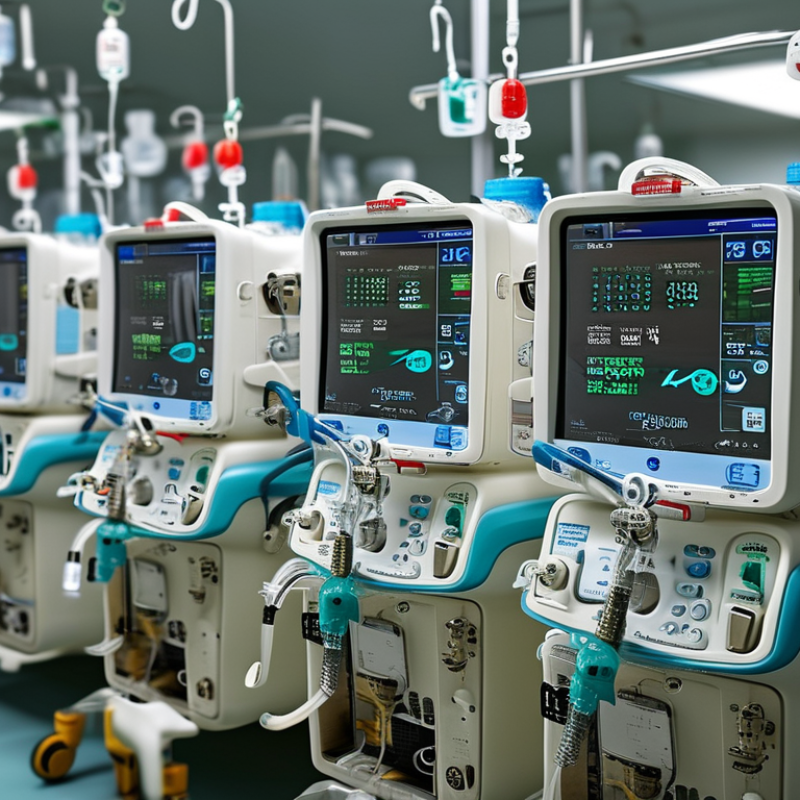
Emergency ventilators are medical devices that support breathing when a patient cannot breathe effectively alone. They deliver controlled air, oxygen, or both through a mask or breathing tube. In emergencies, this support can help maintain oxygen levels while doctors treat the underlying problem.
These ventilators measure pressure, airflow, and breathing volume. Clinicians adjust settings according to lung condition, age, and blood oxygen readings. Alarms can warn about blocked tubes, air leaks, or sudden pressure changes. Reliable power and backup batteries also matter during transport or hospital outages. A ventilator is not a simple fix. Incorrect settings may cause harm, so trained medical professionals must operate and monitor it. It is easy to underestimate the importance of regular maintenance and clear staff training.
Tips: Check alarms before use. Confirm oxygen connections. Keep backup power available. Clean reusable parts according to medical guidance. Record each setting change carefully. Emergency teams should practice with the equipment before a crisis occurs, not during one. Even advanced equipment can fail when preparation is weak.
In critical situations, ventilators support breathing when the lungs cannot move enough air. They push a controlled mixture of oxygen and air into the lungs. This helps remove carbon dioxide and maintain safer oxygen levels. A trained clinician adjusts pressure, volume, breathing rate, and oxygen concentration for each patient.
Some patients use a mask, while others need a breathing tube. The choice depends on alertness, lung function, and the urgency of the condition. In a crowded emergency room, clear alarms and simple controls matter. Staff must notice changes quickly, check tube placement, and watch blood oxygen, blood pressure, and breathing patterns. Small details can change outcomes.
A ventilator does not cure pneumonia, trauma, or heart failure. It only supports the body while medical treatment addresses the cause. That distinction is easy to overlook. Settings that help one patient may harm another, especially when lung tissue is fragile. Regular reassessment is essential. Humidification, suctioning, infection control, and careful patient positioning also support safer care. Equipment quality matters, but trained judgment matters more. No machine replaces observation, communication, or timely clinical decisions.
Leading Chinese ventilator models focus on fast setup, stable airflow, and clear bedside control. In emergency wards, clinicians need dependable support within minutes. Many models offer invasive and noninvasive ventilation modes for different patient conditions. Adjustable oxygen concentration helps staff respond to changing oxygen needs. Pressure, volume, and flow controls support more precise treatment.
A bright touchscreen can display pressure curves, tidal volume, respiratory rate, and oxygen levels. Audible and visual alarms warn about disconnection, high pressure, low oxygen, or power failure. Built-in batteries are valuable during patient transfers or sudden outages. Compact frames and integrated handles also improve mobility. Some units include humidification systems, data storage, and interfaces for central monitoring. These details reduce unnecessary movement around a crowded emergency room.
However, advanced functions do not remove the need for trained judgment. A crowded interface may slow unfamiliar users, especially during a stressful event. That weakness deserves honest testing. Staff should practice alarm settings, circuit checks, and manual ventilation procedures before emergencies occur. Reliable models also need regular maintenance, sensor calibration, and documented cleaning processes. Performance can vary with accessories, patient size, and local power conditions. In real clinical use, simple controls and predictable alarms may matter as much as technical specifications.
China Best Ventilators: How Do They Help in Emergencies?
During emergencies, medical teams use ventilators when patients cannot maintain safe breathing alone. They first check oxygen saturation, blood gases, breathing effort, and the likely cause of respiratory failure. A ventilator then supports inhalation and controls oxygen delivery, pressure, and breathing rate. This creates time for antibiotics, surgery, or treatment of shock to work.
The ARDSNet trial, published in the New England Journal of Medicine, reported lower mortality with lung-protective ventilation: 31.0% compared with 39.8% under higher tidal volumes. This evidence shaped modern emergency practice. Teams usually choose smaller breath volumes and monitor airway pressure closely. The WHO’s 2023 clinical management guidance also emphasizes trained staff, oxygen monitoring, infection prevention, and regular reassessment. Numbers guide decisions, but they do not replace bedside judgment.
In a crowded emergency unit, a clinician may adjust settings after seeing rising carbon dioxide or worsening chest movement. A nurse checks the mask seal, tubing, skin pressure, and alarm signals. Small details matter. Sedation, patient positioning, and communication can affect safety. Ventilators do not cure pneumonia or trauma; they support failing lungs while the underlying problem is treated. Mistakes remain possible, especially when equipment, oxygen supply, or trained personnel are limited. That weakness deserves honest attention. Teams need clear protocols, practical training, and reliable maintenance before a crisis begins.
In an emergency, the best ventilator is not always the most advanced model. It must deliver stable breaths when time, staff, and electricity are limited. Clinicians should check pressure control, oxygen compatibility, alarm clarity, battery life, and patient circuit connections. Small details matter. A loose tube or muted alarm can quickly become dangerous.
Training should include hands-on practice with adult, child, and transport scenarios. Respiratory therapists can teach staff how to adjust tidal volume, respiratory rate, oxygen concentration, and pressure limits. They should also practice manual ventilation if power fails. Realistic drills reveal weaknesses that classroom instructions often miss. Sometimes, the training plan looks complete but ignores night-shift staff.
Selection requires evidence, not attractive specifications. Hospitals should compare clinical guidelines, independent testing, maintenance support, cleaning procedures, and replacement-part availability. A device should fit local oxygen systems and monitoring equipment. Staff must understand its alarm messages before a crisis begins. Regulatory approval and documented quality controls also deserve careful review.
Teams should record faults, review near-misses, and update procedures after every exercise. No selection process is perfect. A quieter alarm may be safer in one ward but less noticeable during transport. Battery estimates can also change with settings and age. These practical limitations need honest discussion among clinicians, engineers, and procurement teams.
| Data Dimension | Emergency Application | How It Helps | Safety and Operational Considerations | Training or Selection Focus | Priority |
|---|---|---|---|---|---|
| Ventilation Mode | Invasive ventilation through an endotracheal or tracheostomy tube; non-invasive ventilation through a mask. | Supports patients who cannot maintain adequate oxygenation or ventilation on their own. | Non-invasive ventilation requires an appropriate mask seal, airway protection assessment, and continuous observation. Invasive ventilation requires airway security and skilled clinical management. | Select equipment with clearly labeled modes, intuitive controls, and settings appropriate for the intended patient population. | Critical |
| Emergency Use Case | Respiratory failure, severe pneumonia, acute exacerbations of chronic lung disease, trauma, anesthesia support, and patient transport. | Provides controlled breathing support while clinicians treat the underlying cause. | A ventilator supports breathing but does not replace diagnosis, airway management, oxygen supply, monitoring, or treatment of the underlying condition. | Match the device to the emergency department, intensive care unit, ambulance, field hospital, or transport environment. | Critical |
| Oxygen Concentration | Adjustable oxygen delivery for patients with different oxygenation requirements. | Allows clinicians to provide supplemental oxygen and reduce excessive oxygen exposure when clinically appropriate. | Oxygen concentration should be verified with an oxygen analyzer when required by local policy. Oxygen is a fire hazard and must be handled with suitable storage and ventilation. | Check the usable oxygen range, inlet pressure requirements, oxygen-source compatibility, and calibration procedures. | Critical |
| Alarm System | Alerts staff to disconnection, high or low pressure, low minute ventilation, apnea, power failure, and other abnormal conditions. | Helps clinicians identify life-threatening changes quickly, especially when one caregiver is responsible for several patients. | Alarms must be audible, visible, appropriately prioritized, and easy to silence only after the cause has been assessed. Alarm limits should be individualized. | Training should include alarm recognition, troubleshooting, escalation, and documentation. Avoid relying on alarm silence without correcting the problem. | Critical |
| Battery and Power Backup | Use during ambulance transport, patient transfer, power interruption, or disaster response. | Maintains ventilation when mains electricity is unavailable or unstable. | Actual battery duration depends on settings, battery condition, temperature, and accessories. A manual resuscitation bag and backup power plan should remain available. | Verify battery runtime under realistic operating conditions, charging time, battery replacement requirements, and compatibility with emergency power systems. | Critical |
| Monitoring and Display | Observation of pressure, flow, volume, respiratory rate, oxygen concentration, and patient-ventilator interaction. | Provides information for evaluating therapy effectiveness and identifying deterioration. | Displayed values should not be interpreted in isolation. Clinical assessment, pulse oximetry, capnography when indicated, and blood-gas testing may be needed. | Choose a display that remains readable in low light and can show waveforms, trends, and essential parameters without excessive menu navigation. | High |
| Patient Protection | Protection from excessive pressure, excessive volume, apnea, and accidental disconnection. | Safety limits reduce the risk of ventilator-induced harm and delayed recognition of equipment problems. | Pressure and volume limits must be set by qualified clinicians. The device should not be used without appropriate patient monitoring and a functioning alarm system. | Assess pressure-relief features, independent alarms, leak compensation, pediatric or adult suitability, and the availability of protective accessories. | Critical |
| Humidification | Longer ventilation periods, invasive ventilation, and situations where dry medical gas may irritate the airway. | Helps reduce airway drying and supports secretion management when correctly applied. | Heated humidifiers can create condensation and require temperature control. Water accumulation in the circuit must not drain toward the patient. | Confirm compatibility with heat-moisture exchangers, heated circuits, water chambers, filters, and the facility’s infection-control procedures. | High |
| Infection Prevention | Use during outbreaks, mass-casualty incidents, and routine care of patients with infectious respiratory diseases. | Appropriate filters, circuit management, cleaning, and reprocessing help reduce cross-contamination. | Follow the manufacturer’s validated cleaning and disinfection instructions, local infection-control policy, and applicable healthcare regulations. Do not reuse single-use components. | Review filter efficiency, disposable and reusable components, reprocessing time, spare-part availability, and staff competency requirements. | Critical |
| Staff Training | Rapid deployment by respiratory therapists, physicians, nurses, emergency teams, and transport personnel. | Competent users can initiate support safely, recognize deterioration, and respond to alarms without unnecessary delay. | Training should include setup, pre-use checks, patient connection, alarm response, circuit changes, power failure, oxygen failure, and manual ventilation backup. | Use hands-on competency assessment, simulation drills, quick-reference guides, and periodic refresher training rather than one-time orientation only. | Critical |
| Pre-Use Inspection | Preparation before placing a ventilator into service or transferring a patient. | Identifies leaks, damaged tubing, depleted batteries, sensor faults, missing accessories, and incorrect configuration. | Inspection should follow the device’s approved checklist and include self-test completion, circuit integrity, alarm verification, power source, oxygen source, and emergency backup equipment. | Require documented checks at the start of each shift, after cleaning or maintenance, and before transport when specified by policy. | Critical |
| Portability and Ergonomics | Movement between the emergency department, imaging unit, operating room, intensive care unit, and ambulance. | Reduces transfer delays and helps maintain respiratory support during movement. | Assess weight, mounting options, shock resistance, handle design, screen visibility, cable management, and stability on transport equipment. | Confirm that the device can be safely secured and operated in the actual transport environment, including elevators and vehicles. | High |
| Gas and Electrical Compatibility | Deployment across hospitals, temporary treatment areas, ambulances, and field facilities. | Ensures reliable operation despite differences in oxygen sources, electrical outlets, voltage, and backup systems. | Incorrect gas pressure or electrical connection can cause malfunction. Use approved connectors, adapters, power cords, and grounding arrangements only. | Verify local electrical standards, inlet specifications, operating voltage, power consumption, compressed-gas requirements, and maintenance support. | Critical |
| Maintenance and Calibration | Continuous readiness for emergency deployment. | Regular servicing helps preserve measurement accuracy, alarm performance, battery reliability, and overall availability. | Maintenance intervals should follow approved instructions and local regulations. Faulty equipment should be clearly removed from service until assessed. | Evaluate service documentation, calibration tools, qualified technicians, spare parts, preventive-maintenance intervals, and technical response time. | High |
| Supply Continuity | Large-scale emergencies, patient surges, and extended operations. | Reduces the risk of equipment shortages, missing circuits, unavailable filters, or delayed repairs. | Emergency plans should include consumable usage, oxygen availability, backup devices, battery rotation, cleaning capacity, and a process for tracking equipment. | Assess total cost of ownership, consumable availability, interoperability, delivery reliability, and local technical support rather than purchase price alone. | High |
| Selection Documentation | Procurement, clinical governance, risk assessment, and emergency preparedness. | Creates a transparent basis for comparing devices without relying only on marketing claims. | Review regulatory authorization in the intended market, instructions for use, performance specifications, safety warnings, test records, and post-market support information. | Use a multidisciplinary evaluation involving clinicians, biomedical engineers, infection-control staff, procurement teams, and emergency planners. | Standard |
Note: Ventilator operation, patient assessment, alarm limits, and treatment decisions must be performed by appropriately trained healthcare professionals in accordance with local clinical protocols and applicable regulations.
It is a medical device that supports breathing when a patient cannot breathe effectively alone. It delivers controlled air, oxygen, or both through a mask or breathing tube. Preparation matters.
It pushes a controlled gas mixture into the lungs. This can improve oxygen levels and help remove carbon dioxide. It supports the body while clinicians treat the underlying illness.
No. A ventilator supports breathing but does not cure the cause. Medical treatment must address the patient’s underlying condition. This distinction is easy to overlook.
Clinicians consider lung condition, age, oxygen readings, and breathing patterns. They may adjust pressure, volume, rate, and oxygen concentration. One setting cannot suit every patient.
The choice depends on alertness, lung function, and urgency. Some patients can use a mask. Others need a breathing tube and closer airway management.
Check alarms, oxygen connections, tube placement, and patient circuit connections. Confirm battery availability and reliable power. A loose tube can become dangerous quickly.
Hands-on practice helps staff manage adult, child, and transport situations. Teams should also practice manual ventilation during power failure. Realistic drills expose weaknesses. Night-shift staff need training too.
Hospitals should review pressure control, alarm clarity, oxygen compatibility, battery life, cleaning procedures, and maintenance support. Replacement parts must be available locally. Attractive specifications are not enough.
Clean reusable parts according to medical guidance. Record setting changes, faults, and near-misses. Reassess the patient regularly and monitor oxygen, blood pressure, and breathing. Equipment quality helps, but trained judgment matters more.
Emergency ventilators are medical devices designed to support patients who cannot breathe adequately on their own. They deliver controlled amounts of air and oxygen to help maintain gas exchange, reduce the effort required for breathing, and stabilize patients during situations such as severe infection, trauma, surgery, or sudden respiratory failure. Understanding how do ventilators help during respiratory emergencies is essential: they can provide different levels of support, monitor pressure and airflow, and adjust ventilation according to a patient’s changing condition.
Leading Chinese ventilator models commonly emphasize reliable performance, clear displays, flexible operating modes, battery backup, alarm systems, and portability for use in hospitals, ambulances, and temporary treatment areas. Medical teams select settings based on clinical assessments and continuously monitor oxygen levels, pressure, and patient response. Proper training, infection control, routine maintenance, and careful equipment selection are equally important to ensure safe operation. Ventilators support professional medical care but do not replace diagnosis, monitoring, or decisions made by qualified healthcare providers.

QMS Medical