In the realm of modern medicine, understanding how a ventilator is used in intensive care units (ICUs) is crucial. This lifesaving technology aids patients experiencing severe respiratory distress. It provides mechanical support to those unable to breathe adequately on their own. The use of ventilators is not just about the machine; it's about the care team behind it.
Healthcare professionals must skillfully adjust settings based on each patient's unique needs. This includes monitoring oxygen levels and adjusting pressure settings. The nuances of this process reflect the importance of expertise and experience. However, even with advanced technology, outcomes vary. Not every patient responds well, prompting reflection on treatment effectiveness.
Each ventilator deployment comes with challenges. There are risks involved, such as potential lung injury or infection. These factors must be carefully weighed against the benefits. Ultimately, understanding how a ventilator is used in intensive care units goes beyond the mechanics. It encompasses a holistic view of patient care.
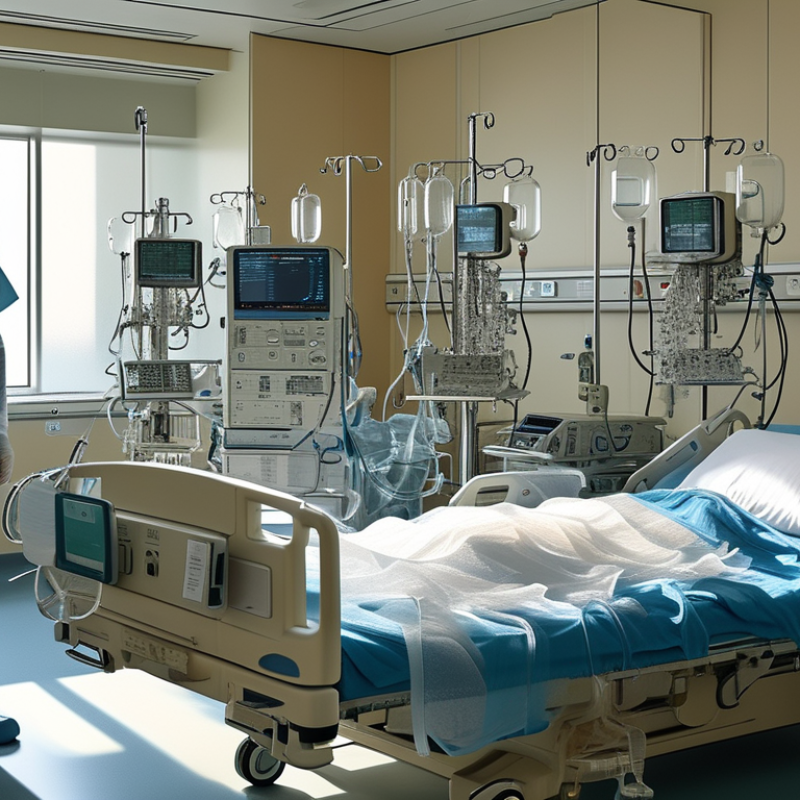
Ventilators play a crucial role in Intensive Care Units (ICUs). They provide oxygen and support to patients who cannot breathe independently. Understanding how they function is vital for effective patient care.
One essential tip is to monitor the settings closely. Healthcare professionals adjust parameters like tidal volume and respiratory rate based on patient needs. Incorrect settings can lead to complications. It's important to remember that each patient’s condition is unique.
Another tip involves regular assessments. Medical teams should evaluate the patient’s response frequently. Adjusting ventilation modes can optimize oxygen delivery. Staff must remain vigilant about signs of distress or improvement. Communication among the team is essential to ensure everyone is on the same page.
Finally, education plays a huge role. Training staff on ventilator use enhances confidence and safety. Practical simulations can prepare them for real-life situations. A solid understanding of how ventilators operate can make a significant difference in patient outcomes.
ICU ventilators are crucial for patient care in critical situations. Their key components must work together seamlessly. The ventilator's control panel allows medical staff to set desired respiratory rates. The settings can be adjusted quickly based on patient needs. This is essential, as patient conditions can change rapidly.
Another vital feature is the breathing circuit. This connects the ventilator to the patient's airway. It must be airtight and properly fitted to prevent any leaks. A secure connection ensures accurate delivery of oxygen and ventilation support. Maintenance of these components is often overlooked but critical for reliability.
Monitoring systems provide real-time feedback on a patient’s respiratory status. These systems alert healthcare providers to any changes. Alarms can indicate high pressure or low oxygen levels. However, alarms can also lead to alarm fatigue, where staff may overlook warnings. Thus, proper training and awareness are necessary to ensure patient safety.
In critical care settings, patient monitoring is vital during mechanical ventilation. Continuous observation allows healthcare professionals to track vital signs. This includes heart rate, blood pressure, and oxygen saturation levels. Studies show that up to 40% of ventilated patients experience complications related to inadequate monitoring.
Adjusting ventilator settings correctly is essential. The tidal volume, respiratory rate, and PEEP (Positive End-Expiratory Pressure) can significantly impact patient outcomes. Research indicates that inappropriate settings can lead to ventilator-induced lung injury. Therefore, respiratory therapists often take a data-driven approach. They use algorithms to optimize settings based on real-time feedback.
However, the reliance on technology raises some concerns. Errors can occur due to equipment malfunction or user mistakes. Continuous education and simulation training for staff can reduce these risks. Healthcare facilities are encouraged to foster a culture of open communication. Clinical teams must feel comfortable discussing potential errors and areas for improvement. This transparent environment enhances patient safety and care quality.
| Tip | Description | Settings | Monitoring Parameters |
|---|---|---|---|
| 1. Assess Patient Needs | Determine the patient's respiratory status and oxygenation needs. | Initial settings based on ABG and SpO2 levels. | Monitor SpO2, heart rate, and respiratory rate. |
| 2. Set Ventilator Mode | Choose a ventilator mode appropriate for the patient's condition. | Assist-Control, SIMV, or PRVC modes. | Watch for tidal volume and minute ventilation. |
| 3. Adjust Tidal Volume | Set appropriate tidal volume to avoid barotrauma. | 6-8 mL/kg based on ideal body weight. | Continuous monitoring of compliance and airway pressure. |
| 4. Monitor Arterial Blood Gases | Regularly check ABG to assess effectiveness of ventilation. | Adjust settings based on pH, pCO2, and pO2. | pH, pCO2, and pO2 trends. |
| 5. Maintain Hygiene and Equipment | Ensure equipment is clean to prevent infections. | Routine checks for tube positioning and integrity. | Monitor for signs of ventilator-associated pneumonia. |
Ventilators play a critical role in intensive care units (ICUs). They support patients who cannot breathe adequately due to severe illnesses. The most common indications include acute respiratory distress syndrome (ARDS), pneumonia, and chronic obstructive pulmonary disease (COPD). According to a report from the American Thoracic Society, around 200,000 cases of ARDS occur annually in the U.S. alone, often necessitating mechanical ventilation.
Patients with pneumonia often struggle to maintain oxygen saturation. A study in the Journal of Critical Care highlighted that about 30% of pneumonia cases in ICU require ventilator support. This reliance on mechanical breathing assistance reflects the severity of their condition. Additionally, COPD patients frequently encounter acute exacerbations that can lead to respiratory failure. The Global Initiative for Chronic Obstructive Lung Disease notes that approximately 1.5 million hospitalizations occur each year due to COPD-related issues.
In ICU settings, ventilators are vital but not without challenges. Care teams must constantly assess patients for possible complications, such as ventilator-associated pneumonia. Around 10-20% of ventilated patients develop this serious infection. Continuous vigilance and experience are crucial to navigate these risks and provide effective respiratory support for critically ill patients. The nuances of ventilator management underscore the importance of skilled healthcare professionals in ensuring patient safety and care quality.
Evaluating ventilator performance in intensive care units (ICUs) is crucial for patient outcomes. Metrics such as tidal volume, peak airway pressure, and oxygen saturation levels provide essential insights. Reports indicate that nearly 30% of ventilators may not function optimally due to settings or mechanical issues. This underscores the need for regular checks and updates.
Critical care practitioners often rely on blood gas analysis as a key indicator. Studies show that proper ventilator settings can reduce the incidence of ventilator-associated pneumonia by 37%. However, mismanagement can lead to prolonged ventilation and increased mortality. This reflects a need for continuing education among ICU staff.
Inappropriate ventilator adjustments can pose serious risks. For instance, patients may experience barotrauma from excessive pressure. Data highlights that 25% of patients on invasive ventilation face complications related to improper settings. This illustrates the importance of meticulous monitoring and a protocol-driven approach to ventilator use in ICUs.
: ICU ventilators have a control panel, breathing circuit, and monitoring systems. Each part is essential for patient care.
The breathing circuit connects the ventilator to the patient. It needs to be airtight to ensure accurate ventilation support.
Monitoring systems track respiratory status and alert staff to changes. However, alarms can cause fatigue, risking oversight.
Incorrect settings can lead to ventilator-induced lung injury. This is why adjusting tidal volume and other parameters is crucial.
Regular checks are vital as nearly 30% of ventilators may not function optimally. Frequent evaluations can prevent risks.
Continuous education helps reduce errors caused by equipment or user mistakes. Training fosters a culture of open communication.
Up to 40% of ventilated patients may face complications. Continuous observation of vital signs is essential to avoid issues.
Proper ventilator settings can lower the incidence of pneumonia. Awareness and adjustments are necessary for better outcomes.
Excessive pressure can cause barotrauma in patients. Close monitoring is required to prevent such serious complications.
Alarm fatigue is a concern, which can jeopardize patient safety. Training and awareness must address this issue effectively.
The article explores how a ventilator is used in intensive care units (ICUs) by providing essential tips and insights into its functionality. It begins with an explanation of the ventilator's role in respiratory support for critically ill patients, emphasizing the importance of understanding its mechanics and features. Key components such as the mode of ventilation, oxygen delivery, and pressure settings are discussed, highlighting their significance in ensuring effective patient care.
Furthermore, the article offers a step-by-step guide on patient monitoring and ventilator settings, illustrating how healthcare professionals assess and adjust the equipment based on individual patient needs. Common indications for ventilator use in critical care are outlined, emphasizing scenarios such as respiratory failure or postoperative support. Lastly, the evaluation of ventilator performance metrics and outcomes is emphasized, showcasing the critical parameters that influence patient recovery in ICUs. This comprehensive overview addresses the crucial question of how a ventilator is utilized in intensive care settings, ensuring optimal patient outcomes.

QMS Medical